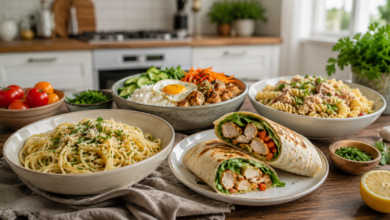
Healthy weekly weight loss does not need to feel extreme. You do not need to follow a harsh diet, skip meals, or exercise for hours every day to start making progress.
A better approach is to build small habits that you can repeat. Balanced meals, regular movement, enough sleep, water, and realistic expectations can all support steady progress over time.
Many people want quick results, but fast weight loss plans are often hard to maintain. They can leave you tired, hungry, and frustrated. A gradual approach is usually easier to continue because it fits better into real life.
The CDC explains that people who lose weight at a gradual, steady pace, about 1 to 2 pounds per week, are more likely to keep the weight off than people who lose weight quickly. That is about 0.5 to 1 kilogram per week.
This guide focuses on simple habits that may support healthy weekly weight loss in a realistic and sustainable way.
Important Note Before You Start
This article is for general educational purposes only. It does not replace medical or nutrition advice.
If you have a medical condition, take medication, are pregnant, breastfeeding, underweight, or have a history of disordered eating, speak with a qualified healthcare professional before starting a weight-loss plan.
Also, do not treat 0.5 kg per week as a guaranteed result. Weight changes can vary depending on age, sleep, stress, hormones, medication, activity level, food intake, and overall health.
Why Gradual Weight Loss Works Better
Slow progress may not sound exciting, but it is often more realistic. A steady plan gives your body and your mind time to adjust.
When changes are too strict, many people can follow them for a few days or weeks, then stop because the plan feels impossible. Gradual habits are different. They are easier to repeat.
Healthy weekly weight loss is not only about the number on the scale. It is also about building routines that support better choices.
A gradual plan can help you:
- Eat more balanced meals
- Reduce random snacking
- Move more during the day
- Drink more water
- Improve your sleep routine
- Build confidence
- Avoid extreme restriction
Mayo Clinic also suggests setting realistic goals and notes that aiming for about 1 to 2 pounds, or 0.5 to 1 kilogram, per week is a practical long-term target for many people.
What Does Healthy Weekly Weight Loss Mean?
Healthy weekly weight loss means creating small, realistic changes that help your body use more energy than you take in, without making your routine feel extreme.
This usually comes from a combination of:
- Eating balanced meals
- Watching portions
- Choosing filling foods
- Moving more
- Sleeping enough
- Managing stress
- Staying consistent
You do not need perfection. You need a plan that feels possible most days.
For example, walking after dinner, adding protein to breakfast, drinking water instead of sugary drinks, and preparing simple meals at home can all be part of a realistic plan.
Start With Balanced Meals
Food is a major part of weight management, but that does not mean you need a strict diet.
A balanced meal usually includes:
- Protein: eggs, chicken, fish, tuna, Greek yogurt, beans, lentils, tofu
- Fiber-rich foods: vegetables, fruit, oats, beans, whole grains
- Carbohydrates: rice, potatoes, oats, pasta, bread, couscous
- Healthy fats: olive oil, avocado, nuts, seeds, peanut butter
The goal is to build meals that keep you satisfied. When meals are too small or missing protein and fiber, hunger can come back quickly.
Simple Meal Examples
Try meals like:
- Oatmeal with banana and Greek yogurt
- Eggs with toast and fruit
- Chicken rice bowl with vegetables
- Tuna salad wrap
- Lentil soup with bread
- Chickpea salad bowl
- Tomato pasta with broccoli
- Baked chicken with potatoes and carrots
These meals are simple, filling, and easier to repeat than complicated recipes.
Use the Plate Method
The plate method is an easy way to build balanced meals without counting everything.
A simple plate can look like this:
- Half the plate: vegetables or fruit
- One quarter: protein
- One quarter: rice, pasta, potatoes, bread, or another carbohydrate
- A small amount: healthy fat or sauce
For example:
Chicken plate: chicken, rice, salad, olive oil dressing
Egg plate: eggs, toast, cucumber, fruit
Lentil plate: lentil soup, bread, side salad
Tuna plate: tuna wrap, vegetables, yogurt sauce
This method is useful because it keeps meals balanced and easy to understand.
Watch Portions Without Obsessing
Portion awareness can help with healthy weekly weight loss, but it should not feel stressful.
Start with simple changes:
- Use a smaller plate if your portions are usually large
- Add more vegetables to meals
- Keep snacks in a bowl instead of eating from the package
- Slow down while eating
- Stop when you feel comfortably full
- Avoid drinking too many calories
You do not need to weigh every bite unless you personally find tracking helpful. For many people, small portion changes are enough to start improving habits.
Choose Filling Snacks
Snacks can be part of a healthy plan. The key is choosing snacks that help you feel satisfied instead of making you hungrier.
Good snack ideas include:
- Greek yogurt with fruit
- Apple with peanut butter
- Boiled eggs
- Carrots with hummus
- Cottage cheese
- A small handful of nuts
- Banana with yogurt
- Cucumber with tuna or cheese
Try pairing protein or healthy fat with fruit or vegetables. This usually feels more satisfying than eating sweets or chips alone.
Move More During the Week
Exercise helps, but you do not need to start with intense workouts. Walking is one of the easiest ways to begin.
The CDC recommends adults aim for at least 150 minutes of moderate-intensity physical activity per week, such as brisk walking, plus 2 days of muscle-strengthening activity each week.
You can start small:
- Walk 10 minutes after meals
- Take the stairs when possible
- Park a little farther away
- Walk during phone calls
- Do a short evening walk
- Add gentle strength exercises twice a week
If you are not active now, begin slowly. Even adding 10 minutes of walking a day can be a good first step.
Add Strength Training Gradually
Strength training can help support muscle and overall fitness. You do not need a gym to begin.
Simple beginner exercises include:
- Squats
- Wall push-ups
- Step-ups
- Glute bridges
- Light dumbbell rows
- Planks
- Resistance band exercises
Start with 10 to 20 minutes, two times per week. Keep it simple and safe.
Strength training is especially helpful because weight loss should not only be about becoming lighter. It should also support strength, energy, and daily function.
Sleep Matters More Than People Think
Poor sleep can make healthy habits harder. When you are tired, cravings may feel stronger, energy may feel lower, and motivation can drop.
A better sleep routine can support your weight-loss efforts indirectly by helping you feel more organized and less exhausted.
Try:
- Keeping a regular bedtime
- Reducing screens before bed
- Avoiding heavy late-night snacks
- Keeping the bedroom calm and dark
- Creating a simple night routine
- Limiting caffeine later in the day
You do not need perfect sleep, but improving your routine can make other healthy habits easier.
Drink More Water
Water is simple, but it matters.
Sometimes thirst can feel like hunger. Keeping water nearby can help you pause before reaching for snacks.
Simple ways to drink more water:
- Keep a bottle near your desk
- Drink a glass before meals
- Add lemon, cucumber, or mint
- Replace sugary drinks with water most days
- Drink water after walking or exercise
You do not need to force huge amounts. Just make water easier to choose.
Avoid Extreme Diet Mistakes
Some weight-loss mistakes can make progress harder.
Try to avoid:
- Skipping meals all day
- Cutting out entire food groups without need
- Eating too little
- Following “detox” or miracle plans
- Expecting fast results
- Exercising too hard too soon
- Weighing yourself many times a day
- Giving up after one imperfect meal
Healthy weekly weight loss works best when the plan feels steady, not punishing.
What to Do If Progress Slows Down
Progress is not always a straight line. Some weeks the scale may not move. That does not mean your effort is wasted.
Before changing everything, check the basics:
- Are portions slowly getting bigger?
- Are drinks or snacks adding extra calories?
- Are you moving less than before?
- Are you sleeping poorly?
- Are weekends very different from weekdays?
- Are you being consistent long enough?
Also, remember that water weight, digestion, hormones, stress, and salt intake can affect the scale.
If progress has stopped for several weeks, make one small change instead of doing something extreme. For example:
- Add a 10-minute walk daily
- Reduce sugary drinks
- Prepare more meals at home
- Add vegetables to lunch and dinner
- Choose more protein-rich breakfasts
Small adjustments are easier to maintain than big, stressful changes.
Simple 7-Day Habit Plan
Here is a gentle weekly plan to help you start.
Day 1: Check Your Current Habits
Write down what you usually eat, drink, and how much you move. Do not judge it. Just notice your starting point.
Day 2: Add Protein to Breakfast
Try eggs, Greek yogurt, cottage cheese, tuna, beans, or peanut butter with breakfast.
Day 3: Walk for 10 Minutes
Take a short walk after lunch or dinner. Keep it easy.
Day 4: Add Vegetables to Two Meals
Add salad, cucumber, carrots, broccoli, cabbage, or frozen vegetables.
Day 5: Prepare One Simple Meal at Home
Choose an easy meal like lentil soup, chicken rice bowl, tomato pasta, or tuna wrap.
Day 6: Replace One Sugary Drink
Choose water, sparkling water, or unsweetened tea.
Day 7: Plan Three Meals for Next Week
Plan only three meals. Keep it simple and realistic.
This is not a strict challenge. It is a way to begin building habits.
Helpful Resources for Healthy Weight Loss
For more guidance, you can visit these trusted resources:
- CDC Healthy Weight:
https://www.cdc.gov/healthy-weight-growth/losing-weight/index.html - Mayo Clinic Weight Loss Strategies:
https://www.mayoclinic.org/healthy-lifestyle/weight-loss/in-depth/weight-loss/art-20047752 - CDC Adult Physical Activity Guidelines:
https://www.cdc.gov/physical-activity-basics/guidelines/adults.html
Frequently Asked Questions
Is 0.5 kg per week a healthy weight-loss goal?
For many adults, losing around 0.5 kg per week can be a realistic pace. However, results vary from person to person. Health, medication, sleep, stress, hormones, and activity level can all affect progress.
Do I need to count calories?
Not always. Some people find calorie tracking helpful, while others prefer the plate method, portion awareness, and meal planning. Choose the method that feels sustainable for you.
Can I lose weight without exercising?
Food habits play a large role, but movement supports health and can make progress easier. Even walking can be a good starting point.
What should I eat for healthy weekly weight loss?
Choose simple meals with protein, fiber-rich foods, vegetables, fruit, carbohydrates, and healthy fats. Examples include eggs with toast, Greek yogurt bowls, chicken rice bowls, lentil soup, tuna wraps, and chickpea salads.
What if I feel hungry all the time?
Check whether your meals include enough protein, fiber, and healthy fats. If you are eating very little, the plan may be too strict. A balanced plan should not leave you constantly hungry.
How often should I weigh myself?
Some people weigh once a week, while others prefer tracking how clothes fit, energy levels, or habits. If weighing causes stress, use other progress signs.
What is the biggest mistake beginners make?
The biggest mistake is trying to change everything at once. Start with one or two habits and build slowly.
Final Thoughts
Healthy weekly weight loss is not about being perfect. It is about building simple habits you can repeat.
Start with balanced meals, walk more, drink water, sleep better, and avoid extreme plans. Focus on steady progress, not quick promises.
A small change repeated daily can become a powerful routine over time. That is what makes healthy weight loss more realistic and easier to maintain.