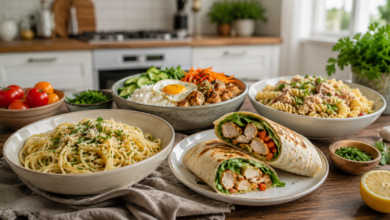
6 Year Old Meal Plan: Balanced Meal Ideas for Kids
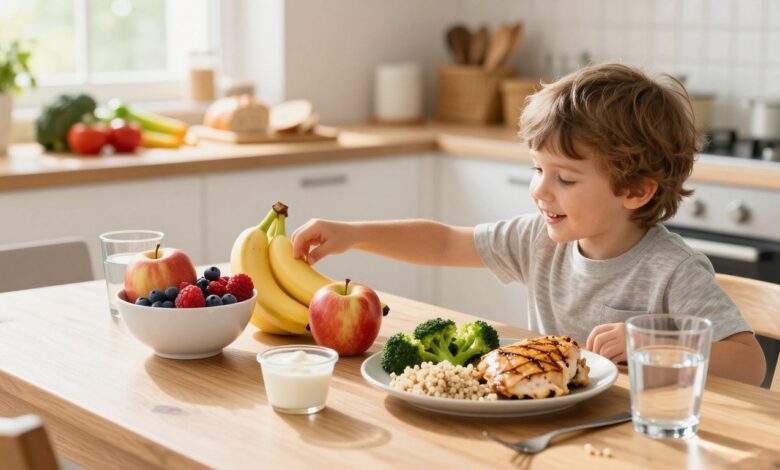
A 6 year old meal plan does not need to be perfect. At this age, the goal is to offer simple, balanced meals that give your child energy for school, play, learning, and growth.
Many parents worry about picky eating, snacks, packed lunches, and whether their child is eating “enough.” The truth is that children’s appetites can change from day to day. Some days they eat more, and other days they barely touch dinner. That can feel stressful, but it is often normal.
Instead of focusing on perfect plates, focus on variety, routine, and gentle exposure to different foods. A good meal plan for a 6-year-old can include easy breakfasts, simple lunches, family dinners, healthy snacks, water, and flexible choices your child can actually enjoy.
The CDC says healthy eating in childhood supports growth and development, and USDA MyPlate encourages meals that include fruits, vegetables, grains, protein foods, and dairy or fortified alternatives.
Important Note for Parents
This article is for general educational purposes only. It does not replace advice from your child’s doctor or a registered dietitian.
If your child has food allergies, feeding difficulties, medical conditions, growth concerns, very limited food intake, or sudden changes in appetite, speak with a qualified healthcare professional.
Every child is different. Use this meal plan as a flexible guide, not a strict rule.
What Should a 6-Year-Old Eat in a Day?
A 6-year-old usually needs meals and snacks that include different food groups throughout the day.
A balanced day may include:
- Fruits
- Vegetables
- Grains, especially whole grains
- Protein foods
- Dairy or fortified alternatives
- Water
You do not need every food group at every meal. It is better to think about balance across the whole day or week.
For example, if breakfast is simple, lunch and dinner can add more variety. If your child refuses vegetables at dinner, you can try fruit at snack time and vegetables again another day.
The goal is steady exposure, not pressure.
Easy Way to Build a Balanced Plate
A simple balanced plate for kids can include:
- One protein food: eggs, chicken, fish, tuna, beans, lentils, yogurt, cheese, tofu, or nut butter
- One grain or starchy food: rice, pasta, bread, potatoes, oats, couscous, or tortillas
- One fruit or vegetable: apples, bananas, berries, carrots, cucumber, peas, broccoli, or salad
- One drink: water or milk
MyPlate uses five food groups: fruits, vegetables, grains, protein foods, and dairy. This makes it easier for parents to build meals without overcomplicating nutrition.
Simple 6 Year Old Meal Plan
Here is a simple day you can use as a starting point.
Breakfast
Option 1: Scrambled eggs, toast, and fruit
Option 2: Oatmeal with banana and milk
Option 3: Greek yogurt with berries and a small handful of cereal
Option 4: Peanut butter toast with apple slices
Option 5: Cheese toast with cucumber slices
A good breakfast does not need to be fancy. Try to include a source of energy and something that helps your child feel full.
Morning Snack
Option 1: Apple slices with peanut butter
Option 2: Yogurt with fruit
Option 3: Carrot sticks with hummus
Option 4: Banana and milk
Option 5: Whole-grain crackers with cheese
Snacks work best when they are simple and not too close to lunch.
Lunch
Option 1: Turkey or chicken sandwich, cucumber sticks, and fruit
Option 2: Tuna pasta salad with corn and cucumber
Option 3: Rice bowl with chicken, peas, and carrots
Option 4: Egg sandwich with tomato slices and fruit
Option 5: Bean and cheese wrap with carrot sticks
If your child takes lunch to school, choose foods that are easy to open, easy to eat, and familiar enough that your child will not feel overwhelmed.
Afternoon Snack
Option 1: Smoothie with banana, yogurt, and berries
Option 2: Boiled egg and fruit
Option 3: Cheese cubes with crackers
Option 4: Hummus with cucumber or carrots
Option 5: Homemade muffin with milk
Try to keep afternoon snacks filling enough to prevent extreme hunger, but not so large that dinner becomes difficult.
Dinner
Option 1: Chicken, rice, and steamed vegetables
Option 2: Pasta with tomato sauce and broccoli
Option 3: Fish or chicken with potatoes and carrots
Option 4: Lentil soup with bread
Option 5: Mini homemade tacos with beans, chicken, lettuce, and cheese
Option 6: Omelet with toast and fruit
Option 7: Meatballs, pasta, and salad
Dinner is a good time to serve family meals. You do not need to cook a separate meal for your child every night. Try to include at least one food your child usually accepts, then offer other foods calmly.
HealthyChildren.org, from the American Academy of Pediatrics, recommends including at least one food your child likes with each meal and continuing to provide a balanced meal without turning mealtime into pressure.
Simple Weekly Meal Plan for a 6-Year-Old
Use this as a flexible weekly idea. Swap meals based on your family’s schedule.
Monday
Breakfast: Oatmeal with banana
Lunch: Chicken sandwich, cucumber, and fruit
Dinner: Pasta with tomato sauce and broccoli
Snack: Yogurt with berries
Tuesday
Breakfast: Eggs with toast
Lunch: Rice bowl with chicken and peas
Dinner: Lentil soup with bread
Snack: Apple slices with peanut butter
Wednesday
Breakfast: Greek yogurt with fruit
Lunch: Tuna pasta salad
Dinner: Chicken, potatoes, and carrots
Snack: Cheese and crackers
Thursday
Breakfast: Peanut butter toast with banana
Lunch: Egg sandwich and fruit
Dinner: Bean and cheese wraps
Snack: Carrots with hummus
Friday
Breakfast: Oatmeal with apple
Lunch: Turkey wrap, cucumber, and fruit
Dinner: Homemade mini tacos
Snack: Smoothie
Saturday
Breakfast: Pancakes with fruit and yogurt
Lunch: Grilled cheese with tomato soup
Dinner: Fish or chicken with rice and vegetables
Snack: Banana and milk
Sunday
Breakfast: Omelet with toast
Lunch: Leftover pasta or rice bowl
Dinner: Family dinner with protein, vegetables, and grains
Snack: Fruit with yogurt
This 6 year old meal plan is not meant to be strict. It is a practical example to help you plan the week with less stress.
Breakfast Ideas for a 6-Year-Old
Try rotating a few easy breakfasts:
- Oatmeal with banana
- Scrambled eggs with toast
- Yogurt with fruit
- Peanut butter toast
- Cheese toast
- Smoothie with yogurt and fruit
- Pancakes with fruit
- Boiled egg with bread and fruit
If mornings are busy, prepare simple foods the night before. For example, boil eggs, wash fruit, or prepare overnight oats.
Lunch Ideas for School or Home
Good lunches are easy to eat and not too messy.
Try:
- Chicken sandwich with fruit
- Tuna pasta salad
- Egg wrap with cucumber
- Rice bowl with chicken and vegetables
- Cheese sandwich with carrot sticks
- Bean wrap with fruit
- Pasta with vegetables
- Soup in a thermos with bread
For school lunch, pack small portions of familiar foods. A lunchbox with too many new foods can feel overwhelming for a picky eater.
Dinner Ideas for Kids
Dinner can be simple family food.
Try:
- Pasta with tomato sauce and vegetables
- Chicken and rice
- Lentil soup
- Baked potatoes with tuna or beans
- Chicken wraps
- Fish with potatoes
- Vegetable fried rice with egg
- Omelet with toast
- Homemade mini pizza with vegetables
- Meatballs with pasta
Keep dinner calm. If your child refuses one part of the meal, avoid turning it into a battle. Offer the meal, include one safe food, and try again another day.
Healthy Snack Ideas for a 6-Year-Old
Snacks can help children stay energized between meals.
Simple snack ideas:
- Fruit and yogurt
- Apple slices with peanut butter
- Carrots with hummus
- Cheese and whole-grain crackers
- Boiled egg and fruit
- Smoothie
- Banana with milk
- Cucumber slices with cheese
- Homemade muffin
- Toast with nut butter
Try to avoid letting snacks become constant grazing. A simple snack schedule can help your child come to meals with a better appetite.
What Drinks Are Best?
Water should be the main drink during the day.
Other options can include:
- Milk
- Fortified unsweetened plant milk
- Smoothies occasionally
- Small amounts of 100% fruit juice, if you choose to offer it
Try to limit sugary drinks, soda, and sweetened juices. They can fill children up without giving the same nutrition as balanced meals.
Tips for Picky Eaters
Picky eating is common, and it does not mean you are failing as a parent.
A low-pressure approach often works best. HealthyChildren.org notes that selective eating can be normal and usually short-lived, and a calm approach can help children try a wider variety of foods over time.
Offer One Familiar Food
At each meal, include at least one food your child usually eats. This makes the meal feel safer.
For example:
- If serving chicken and vegetables, add rice your child likes.
- If serving soup, add bread.
- If serving a new pasta sauce, keep the pasta shape familiar.
Keep Offering Without Pressure
A child may need to see a food many times before tasting it. Keep portions small and calm.
Instead of saying:
“You have to eat this.”
Try:
“This is here if you want to try it.”
Let Kids Help
Children may be more interested in foods they helped prepare.
They can:
- Wash fruit
- Stir yogurt
- Add toppings
- Tear lettuce
- Pick a vegetable at the store
- Help set the table
Avoid Food Battles
Try not to use dessert as a reward or force bites. Pressure can make children more resistant.
A calm meal environment is more helpful than a perfect plate.
What to Limit Without Stress
You do not need to ban every sweet or processed food. When foods become “forbidden,” they can feel more exciting.
Instead, keep a balanced approach.
Limit most days:
- Sugary drinks
- Large amounts of candy
- Very salty snacks
- Fried fast foods
- Highly processed packaged snacks
Offer them sometimes, not all the time. The goal is balance, not fear around food.
Parent-Friendly Meal Planning Tips
Repeat Meals
Children often like routine. Repeating meals is not a problem.
You can repeat:
- Breakfasts
- School lunches
- Favorite dinners
- Snack combinations
Plan Around Your Real Schedule
Choose easy meals for busy school nights. Save new recipes for calmer days.
Prep Small Things Ahead
Try:
- Washing fruit
- Cutting cucumbers or carrots
- Boiling eggs
- Cooking rice
- Making pasta
- Preparing yogurt cups
Keep Backup Meals Ready
Good backup meals include:
- Eggs and toast
- Pasta with tomato sauce
- Rice and peas
- Tuna sandwich
- Soup and bread
- Cheese toast and fruit
This helps reduce stress when the day does not go as planned.
When to Ask a Professional for Help
Most picky eating and appetite changes are normal, but sometimes extra support is important.
Speak with your child’s doctor or a registered dietitian if:
- Your child is losing weight unexpectedly
- Your child eats very few foods
- Your child avoids entire food groups
- Mealtimes cause extreme stress
- Your child has trouble chewing or swallowing
- Your child has frequent stomach pain
- You are worried about growth or nutrition
- Your child has food allergies or medical conditions
Professional support can help you understand what is normal and what needs attention.
Helpful Resources for Parents
For more guidance, you can visit these trusted resources:
- USDA MyPlate —
https://www.myplate.gov/ - CDC Childhood Nutrition Facts —
https://www.cdc.gov/school-nutrition/facts/index.html - HealthyChildren.org Picky Eating Tips —
https://www.healthychildren.org/English/tips-tools/ask-the-pediatrician/Pages/How-Do-I-Help-My-Picky-Eater-Try-More-Foods.aspx
Frequently Asked Questions
What should a 6-year-old eat in a day?
A 6-year-old can eat a variety of foods from different food groups, including fruits, vegetables, grains, protein foods, and dairy or fortified alternatives. A simple day may include breakfast, lunch, dinner, and one or two snacks.
How many meals should a 6-year-old eat?
Many children do well with three meals and one to two snacks per day. Some may need more or less depending on appetite, activity, and growth.
What is a good breakfast for a 6-year-old?
Good breakfast ideas include oatmeal with banana, eggs with toast, yogurt with fruit, peanut butter toast, smoothies, or cheese toast with fruit.
What are healthy lunch ideas for a 6-year-old?
Healthy lunch ideas include chicken sandwiches, tuna pasta salad, rice bowls, egg wraps, bean wraps, soup with bread, or cheese sandwiches with fruit and vegetables.
What if my 6-year-old is a picky eater?
Keep offering foods without pressure, include one familiar food at meals, let your child help prepare food, and avoid turning meals into battles. If picky eating feels extreme or affects growth, speak with a professional.
Should I count calories for my 6-year-old?
Most parents do not need to count calories for a healthy child. It is usually better to focus on balanced meals, variety, routine, appetite cues, and your child’s growth pattern.
What drinks are best for a 6-year-old?
Water is the best main drink. Milk or fortified unsweetened plant milk can also fit into a balanced routine. Try to limit sugary drinks.
How can I make meals easier during the week?
Repeat simple meals, prep small ingredients ahead, keep backup meals ready, and plan around your real schedule.
Final Thoughts
A 6 year old meal plan should make feeding your child easier, not more stressful. You do not need perfect meals every day.
Focus on simple meals, regular snacks, water, variety, and a calm approach to picky eating. Offer balanced foods often, include familiar options, and let your child learn at their own pace.
The best meal plan is one your family can actually repeat. Keep it simple, flexible, and realistic.