Why You’re Experiencing Depression 2 Days After Drinking Alcohol

Have you ever noticed that your lowest emotional point often arrives a full 48 hours after consuming alcohol, rather than during the immediate hangover? This delayed reaction is more common than you might think, affecting countless individuals who enjoy social drinking.
The feelings you experience are a legitimate physiological response to alcohol’s impact on your brain chemistry. Your body goes through complex processes as it metabolizes substances, and these changes can significantly influence your mental state, leading to feelings of depression and anxiety long after the initial effects of alcohol wear off. This is particularly relevant given that alcohol is a depressant, which can exacerbate depression drinking patterns over time.
Understanding this connection between alcohol use and subsequent emotional shifts is crucial for making informed decisions about your habits. Many people mistakenly believe that mood changes only occur during the immediate recovery period from alcohol use, but the reality extends much further. Recognizing how alcohol abuse can lead to depression is essential.
This phenomenon isn’t an isolated reaction—it’s a documented response that affects people across different drinking patterns. Recognizing these patterns is the first step toward managing them effectively and maintaining better overall wellness, especially for those who may not realize how their alcohol consumption can make them feel.
Key Takeaways
- Delayed mood changes following alcohol consumption are a common experience
- These emotional shifts result from complex physiological processes in your body
- The effects on your mental state can last well beyond the initial hangover period
- Recognizing this pattern is essential for making informed decisions about consumption
- Understanding the connection helps you better manage your overall wellness
- This reaction affects people across various drinking habits and patterns
- Being aware of these delayed effects empowers you to take proactive steps
Introduction to Post-Alcohol Mood Changes
The glow of a fun evening out can sometimes cast a surprisingly long shadow on your emotional well-being. While many associate alcohol with relaxation and social connection, the experience the following day can be markedly different.
This section explores how consuming alcohol fundamentally alters your emotional state, affecting your overall wellness.
Understanding the Connection Between Alcohol and Your Emotions
The link between drinking and your feelings is complex. During consumption, alcohol may create a sense of ease. However, as your body processes it, significant psychological shifts occur, often related to alcohol abuse. This leads to what some call “hangxiety”—a mix of anxiety and low mood many people feel the next day, which can be exacerbated by the depression drinking that follows. These changes are not just about physical symptoms. They involve real impacts on your mental health, including the effects of alcohol as a depressant that can lead to increased depression anxiety in many individuals.
A Snapshot of How Drinking Impacts Your Mental Health
It’s crucial to recognize that post-alcohol depression is a common experience. The emotional low can be more distressing than a headache.
Understanding this pattern helps you anticipate the emotional aftermath. This knowledge is vital for making informed choices about consumption.
Emotional Effects Timeline
| Timeframe | Common Emotional Experience | Primary Cause |
|---|---|---|
| During Drinking | Euphoria, Relaxation | Increased GABA, Dopamine release |
| Next Day (24-48 Hours) | Anxiety, Sadness, Irritability | Neurotransmitter depletion, Sleep disruption |
| Following Days | Mood Stabilization | Brain chemistry rebalancing |
Recognizing these stages empowers you to manage your well-being better. This reaction affects a wide range of individuals, making it a universal concern.
The Science Behind Alcohol’s Impact on Your Brain
Your brain undergoes complex chemical transformations when alcohol enters your system, creating a biological foundation for delayed emotional changes. These neurological processes explain why you might experience mood shifts well after consumption ends.
How Alcohol Alters Neurotransmitters Like Serotonin and Dopamine
Alcohol acts as a depressant on your central nervous system. It fundamentally changes critical brain chemicals responsible for regulating your emotional state.
Initially, alcohol increases dopamine activity in your reward system. This creates temporary feelings of happiness that quickly fade. Once the effects wear off, your brain experiences a chemical rebound.
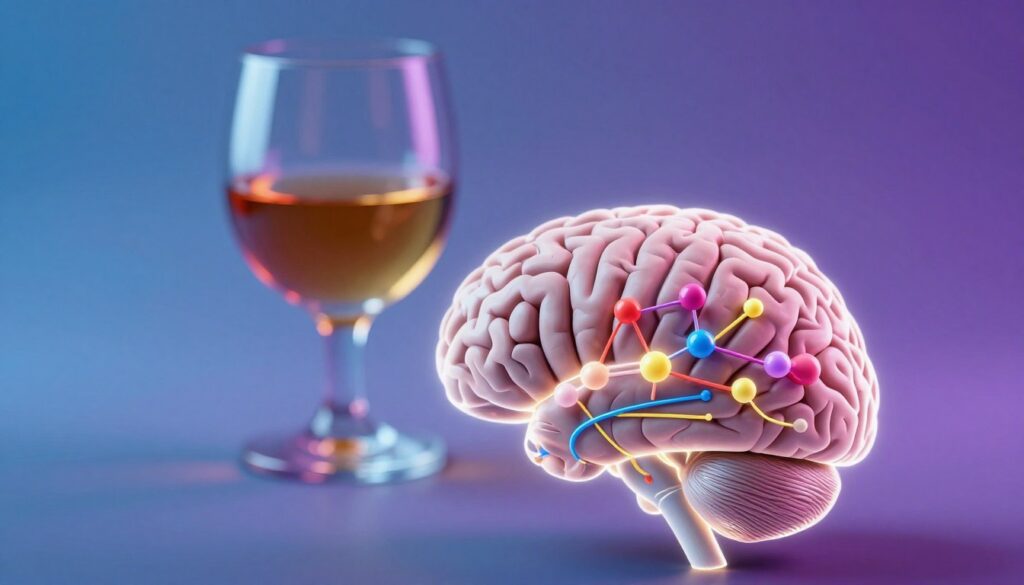
This rebound heightens feelings beyond your normal baseline. Serotonin and dopamine levels drop significantly, leading to emotional instability.
Disruption of REM Sleep and Its Role in Mood
Alcohol severely disrupts your REM sleep cycles, which are essential for emotional processing. Even if you sleep for many hours, the restorative quality is compromised, contributing to feelings depression often associated with alcohol depression.
Research shows alcohol impairs melatonin secretion, the hormone responsible for quality sleep. This sleep disruption contributes significantly to next-day mood disturbances, often leading to depression drinking experiences.
Your brain struggles to regain chemical balance after consumption. These concrete neurological causes explain prolonged periods of low mood, which can make feel depressed drinking.
Physical Effects: Hangover Blues and Bodily Changes
Your body’s reaction to alcohol creates a cascade of physical changes that manifest as emotional distress. These bodily shifts directly contribute to what many call the “hangover blues.”
Dehydration and Its Consequences on Your Mood
Alcohol acts as a powerful diuretic, forcing your system to expel essential fluids. This dehydration affects your brain function and emotional regulation, often exacerbating feelings of depression associated with alcohol use.
Even mild water deficiency can intensify feelings of irritability and anxiety, contributing to the cycle of depressed drinking. Your body’s thirst signals create physical stress that translates into mood disturbances.
Low Blood Sugar and Toxin Buildup Explained
Your liver prioritizes alcohol metabolism over maintaining blood sugar levels. This drop in glucose creates physical stress that manifests as emotional symptoms, often leading to feelings of depression related to alcohol use.
Toxin accumulation during processing contributes to overall malaise, reinforcing the cycle of discomfort associated with depression drinking. These physical effects reinforce negative emotional states in a cycle of discomfort, highlighting the alcohol depressant nature of these substances.
Physical Symptoms and Emotional Effects
| Physical Symptom | Emotional Consequence | Primary Cause |
|---|---|---|
| Dehydration | Irritability, Anxiety | Diuretic effect of alcohol |
| Low Blood Sugar | Fatigue, Hopelessness | Liver prioritizing alcohol metabolism |
| Toxin Buildup | General Malaise, Sadness | Alcohol byproducts in system |
Addressing these physical issues through hydration and nutrition can provide relief from hangover-related emotional challenges. Your overall health benefits from understanding these connections.
Psychological Contributors to Post-Drinking Depression
Psychological factors play a crucial role in how you experience emotional lows following alcohol use. Your mind processes events and emotions in ways that can intensify negative feelings.
These mental contributors often linger even after physical symptoms fade. Understanding them helps you recognize why emotional distress can persist.
Feelings of Guilt and Regret After a Night Out
Many people experience intense rumination about their behavior during a night of consumption. This overanalysis can deepen cycles of shame and sadness, contributing to feelings of depression that often arise from depression drinking.
Alcohol lowers inhibitions, causing you to express feelings you might normally control. When the effects wear off, regret about these expressions often surfaces, leading to a sense of depression.
The Amplification of Pre-Existing Emotions
Alcohol doesn’t create new emotions but rather magnifies existing ones. If you felt stress or anxiety before drinking, these feelings may intensify.
As one psychologist notes,
“Alcohol acts as an emotional amplifier, turning up the volume on whatever mood you brought to the situation.”
This amplification affects both positive and negative emotional states. Your decision-making ability becomes impaired during consumption.
Psychological Effects Comparison
| Psychological Factor | During Drinking | After Effects Subside |
|---|---|---|
| Emotional Control | Lowered inhibitions | Heightened self-criticism |
| Anxiety Levels | Temporary reduction | Rebound intensification |
| Decision Making | Impaired judgment | Regret and reflection |
Recognizing these patterns helps you understand the full picture of post-consumption emotional experiences. Your mind and body work together in complex ways.
Coping Strategies to Alleviate Depression and Hangxiety
Taking proactive steps to manage post-drinking symptoms empowers you to regain emotional balance more quickly, especially when dealing with feelings of depression. These practical approaches address both physical discomfort and psychological distress.
Implementing effective strategies can significantly reduce the intensity of negative feelings, including those associated with depression. You have multiple ways to support your recovery process.
Hydration, Nutrition, and Rest for Recovery
Proper hydration is one of the most important coping techniques. Drinking water before, during, and after alcohol consumption helps your body process substances more efficiently, which can alleviate feelings of depression.
Nutrition plays a vital role in restoring your health. Eating balanced meals with proteins and vitamins replenishes energy reserves. This nutritional support helps you feel better physically and emotionally, reducing the impact of feelings depression.
Prioritizing sleep is crucial for recovery from hangover effects. Since alcohol disrupts normal rest patterns, consider napping or going to bed earlier. Quality rest supports brain chemistry rebalancing.

Mindful Drinking and Positive Distraction Techniques
Mindful consumption involves tracking your drinking habits to avoid excessive intake. This preventive approach reduces the severity of subsequent symptoms.
When negative thoughts arise, positive distractions provide relief. Light exercise like walking releases natural mood-boosting chemicals. Creative activities offer healthy outlets for emotional expression.
Seeking social support can alleviate feelings of anxiety. Talking with understanding friends helps normalize your experience. These strategies create a comprehensive approach to managing post-alcohol challenges.
Long-Term Prevention: Building Healthier Drinking Habits
Building sustainable drinking habits requires more than just temporary fixes—it demands a thoughtful approach to how you consume alcohol. This proactive strategy focuses on creating patterns that support your long-term emotional wellness.
Setting Personal Limits and Alcohol-Free Days
Understanding your personal tolerance is crucial for maintaining good health. Pay attention to how different amounts affect your mood in the following time. This awareness helps you establish boundaries that protect your well-being.
Incorporating regular breaks from alcohol use gives your body essential recovery time. These alcohol-free periods allow your brain chemistry to rebalance naturally. Spreading consumption over multiple days prevents the negative effects of heavy drinking.
Replacing Alcohol with Alternative Coping Mechanisms
Finding healthier ways to manage stress eliminates the emotional rollercoaster of drinking alcohol. Activities like exercise, meditation, or creative pursuits provide natural mood support. These alternatives build resilience without chemical interference.
Self-care practices help you identify when alcohol use becomes problematic. Tracking your patterns allows for early intervention. For some people, formal support programs offer necessary guidance during recovery.
View prevention as an ongoing practice rather than a one-time effort. Sustainable habits protect your mental health over the long term. Your consistent care makes lasting wellness achievable.
Understanding “depression 2 days after drinking” as a Two-Way Street
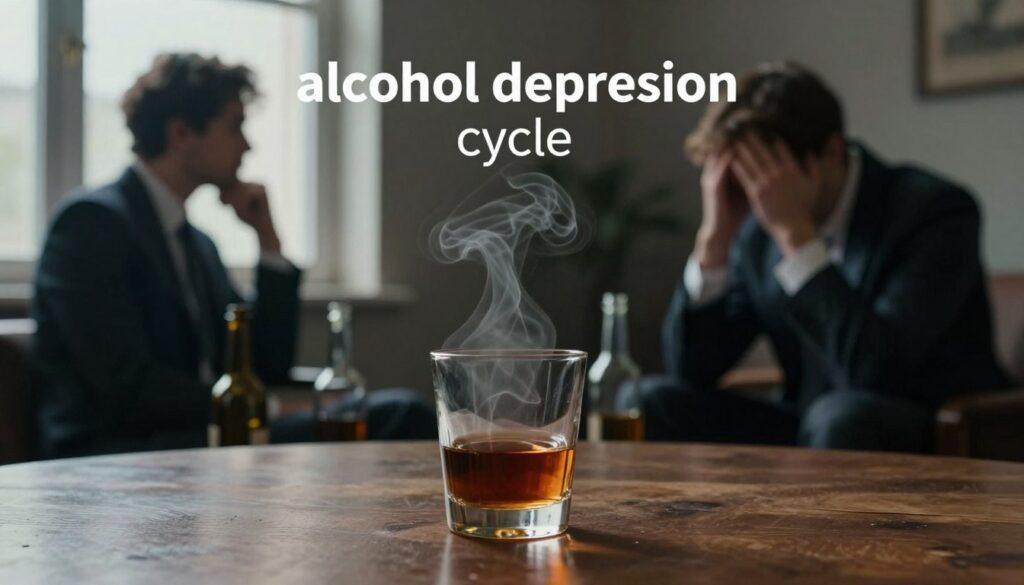
What appears to be a simple cause-and-effect relationship between drinking and mood is actually bidirectional. Each element influences and intensifies the other in a complex feedback loop.
How Alcohol Both Masks and Magnifies Underlying Issues
Alcohol may temporarily conceal emotional distress, but it ultimately amplifies the very issues you’re trying to escape. This creates a dangerous cycle where temporary relief leads to long-term worsening.
Many individuals turn to alcohol use as a coping mechanism for existing mental health challenges. However, this approach backfires as the substance disrupts your brain chemistry. The initial numbing effect gives way to intensified symptoms.
This pattern is particularly problematic for those with social anxiety. While alcohol might make feel more confident initially, the rebound effect creates heightened anxiety. The temporary mask becomes a permanent burden.
Breaking this cycle requires addressing both conditions simultaneously. Treating only one aspect while ignoring the other typically leads to continued struggles. Professional support often becomes necessary for sustainable recovery.
Conclusion
Your emotional well-being doesn’t have to be at the mercy of alcohol‘s delayed effects on your system. Understanding this connection between consumption and mood changes empowers you to make informed choices about your habits.
Whether you experience mild symptoms or more significant challenges, practical strategies exist to help you care for your mental health. Addressing both physical factors and psychological contributors provides the most effective way forward.
Recognizing when your relationship with alcohol consistently affects your mind may indicate the need for professional support. The complex impact on your brain chemistry requires comprehensive attention.
Taking proactive steps—whether through healthier habits or seeking help—breaks the cycle. Your knowledge of these effects gives you the power to protect your long-term wellness after drinking.