
Have you ever felt like a different person in the week leading up to your menstrual cycle? The intense mood swings, overwhelming sadness, and irritability can feel isolating. You might wonder if it’s all in your head. This guide is here to tell you it’s not.
What you are experiencing may be a recognized health condition known as Premenstrual Dysphoric Disorder, or PMDD. It’s more severe than typical PMS. Research shows that for individuals with this disorder, their body’s cells react more sensitively to the natural rise and fall of reproductive hormones.
This heightened sensitivity directly impacts the brain’s pathways that control your emotional state. It’s a biological response, not a character flaw. Understanding this is the first step toward managing these challenging symptoms effectively.
Key Takeaways
- Severe emotional changes before your cycle have a biological cause and are not imaginary.
- Premenstrual Dysphoric Disorder (PMDD) is a serious medical condition distinct from common PMS.
- Your body may process hormonal shifts differently, affecting brain chemistry and mood.
- Recognizing the predictable pattern of your symptoms is crucial for seeking proper care.
- This condition can significantly impact your daily life and well-being.
- Effective management and treatment options are available.
Understanding Depression 8 Days Before Period
When hormonal fluctuations occur before your period, they can trigger significant emotional responses. For some women, this represents an abnormal reaction to normal hormone changes during each menstrual cycle. This condition is known as premenstrual dysphoric disorder (PMDD), a severe form of premenstrual syndrome.

Research shows that cells in women with PMDD react differently to reproductive hormone fluctuations. Their bodies have heightened sensitivity to these natural changes.
What It Is and Why It Happens
The exact cause of PMDD remains unknown, but it involves how your body processes hormone changes. These fluctuations can lead to serotonin deficiency in your brain. Serotonin is a natural substance that regulates mood and physical symptoms.
National Institutes of Health studies confirm this cellular sensitivity difference. Your brain’s chemical pathways respond strongly to hormone shifts during the luteal phase of your cycle.
Differences Between PMS and PMDD
While PMS affects 70-75% of women with manageable symptoms, PMDD is a much more severe form of premenstrual syndrome. Only about 5% of women experience this debilitating condition characterized by severe pmdd symptoms.
The key difference lies in symptom severity. PMS causes discomfort during the days leading up to your period, but PMDD creates extreme mood swings and depression that disrupt daily life. This disorder requires specific diagnostic criteria, including at least five aggravated emotional symptoms related to pmdd.
PMDD has been linked to higher rates of suicidal thoughts, distinguishing it as a serious health condition rather than normal premenstrual discomfort associated with PMS.
Recognizing Physical and Emotional Symptoms
Recognizing the pattern of PMDD manifestations helps validate your experience and guide treatment decisions. The symptoms typically emerge during the luteal phase and follow a predictable cycle. Understanding this pattern distinguishes PMDD from other conditions.
Identifying Key Physical Symptoms
Physical discomfort often signals PMDD’s arrival, especially during the days leading up to your period. You might notice breast tenderness, bloating, or joint pain, which are common PMDD symptoms. These bodily changes can be quite pronounced.
Appetite fluctuations and sleep disturbances are common in those experiencing premenstrual syndrome. Some people experience intense food cravings or insomnia, which can be linked to the depression often associated with PMS PMDD. Fatigue and headaches may also occur during this time of the month.
| Symptom Category | Physical Manifestations | Emotional Manifestations |
|---|---|---|
| Body Sensations | Breast tenderness, bloating, muscle aches | Feeling overwhelmed, tension, being on edge |
| Daily Functioning | Fatigue, appetite changes, sleep problems | Irritability, mood swings, concentration issues |
| Social Impact | Weight gain, headaches, physical discomfort | Relationship conflicts, social withdrawal |
Noting Emotional and Mood Changes
Emotional symptoms often feel more intense than physical ones during PMS PMDD. You might experience sudden sadness or increased sensitivity, which can be linked to depression. These mood changes can be overwhelming.
Anxiety and irritability may surface unexpectedly. Feeling constantly on edge is common. Interest in normal activities often decreases significantly during the days of your period.
Recognizing at least five of these symptoms PMDD during your cycle’s specific phase suggests PMDD. The cyclical nature helps differentiate it from ongoing conditions.
Tracking Your Menstrual Cycle and Symptom Patterns
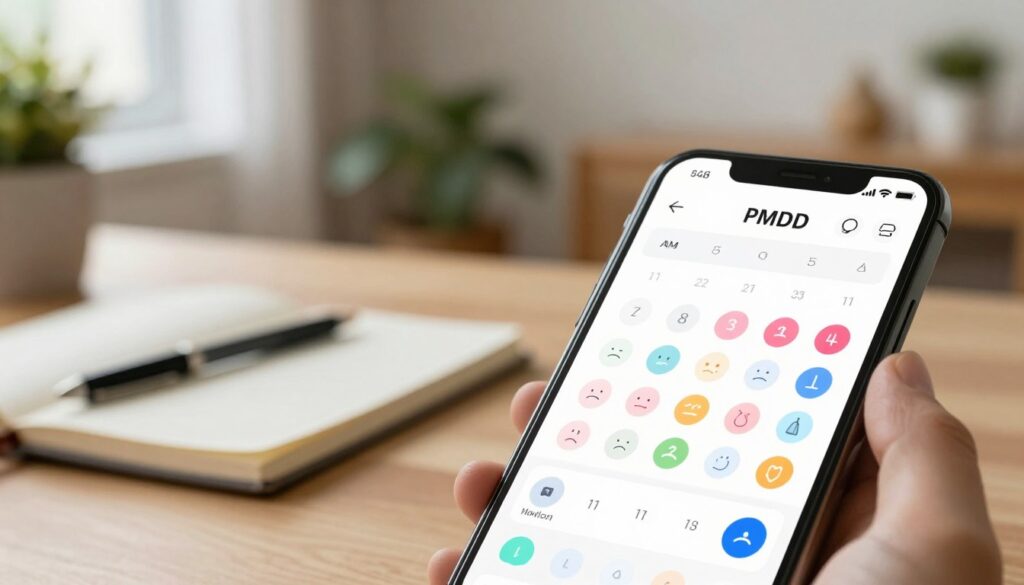
Taking control of your well-being starts with understanding the unique rhythm of your body. Keeping a daily log is the most effective way to see the connection between your menstrual cycle and your symptoms.
This record provides clear evidence for your doctor and helps you anticipate difficult times.

How to Keep an Effective Daily Log
Your log should be simple but detailed. Note each symptom, including common symptoms of PMDD and PMS, its severity on a scale of 1-10, and the specific days it occurs during your days of period.
Tracking for at least two months is essential. It reveals if your challenges follow a true cycle and helps in understanding the timing of your symptoms PMDD, including any related depression. This pattern is key for diagnosing PMDD.
The table below shows a simple format for your log.
| Date / Cycle Day | Symptom | Severity (1-10) | Notes |
|---|---|---|---|
| Day 18 | Irritability | 7 | Felt easily frustrated at work. |
| Day 19 | Fatigue | 8 | Needed a nap in the afternoon. |
| Day 20 | Anxiety | 6 | Difficulty concentrating. |
| Day 21 | Bloating | 5 | Minor physical discomfort. |
When to Consult Your Healthcare Provider
Bring your symptom log to your appointment. It shows the pattern across weeks and months, particularly noting the days period when symptoms occur.
Consult your provider when symptoms cause significant distress over time. This includes disruption to your work or social life, especially related to pms pmdd.
Proper documentation helps your doctor rule out other conditions. It ensures your symptoms are linked to your menstrual cycle.
Implementing Natural Lifestyle Changes
Your daily choices create a foundation for better managing PMDD throughout your cycle. These adjustments offer a natural way to reduce symptom severity without medication.
Diet, Exercise, and Stress Management
Simple dietary changes can significantly impact your health during challenging phases, especially during the days period leading up to your cycle. Increase protein and complex carbohydrates while reducing sugar, salt, and alcohol.
Regular exercise helps regulate mood and may stabilize hormonal fluctuations over time. Stress management techniques like yoga provide valuable support for PMDD symptoms, particularly for those experiencing pms pmdd.
Research shows natural supplements can enhance this treatment approach. A study of 118 women found chasteberry and calcium improved premenstrual symptoms.

Mindfulness, Sleep, and Caffeine Control
Reducing caffeine intake is crucial for managing anxiety and sleep disturbances. This simple change supports better rest and emotional balance, particularly for those dealing with pms pmdd.
Prioritizing quality sleep helps your body cope with PMDD challenges. Sleep deprivation worsens mood symptoms significantly.
Mindfulness practices offer a healthy way to handle emotional triggers. These lifestyle changes form an essential foundation for comprehensive PMDD management.
Exploring Medical and Therapeutic Treatments
When lifestyle adjustments aren’t enough, medical interventions offer powerful solutions for managing premenstrual dysphoric disorder. These treatments target the biological roots of your symptoms.

Effective medical care can regulate hormone or serotonin levels. This helps you feel more balanced during challenging phases of your cycle. You don’t have to accept this condition as permanent.
Hormonal Birth Control Options
Certain birth control methods provide steady hormone doses throughout your cycle. This creates predictable levels that reduce PMDD triggers.
These pills minimize the natural fluctuations that worsen your symptoms. Always consult your doctor before selecting this treatment approach. They can recommend the most appropriate option for your specific health needs.
Medication and Professional Guidance
Selective serotonin reuptake inhibitors (SSRIs) address serotonin deficiencies underlying mood symptoms. They are often prescribed as primary medication treatment.
Your healthcare provider might also recommend anti-inflammatory medicines for physical pain. Vitamin supplements like B-6, calcium, and magnesium can support comprehensive care.
Treatment for this chronic condition often requires long-term management with dosage adjustments over time.
Since symptom severity may increase until menopause, extended treatment is common. Your medication plan will evolve as your provider monitors your response.
| Treatment Type | Primary Function | Common Examples |
|---|---|---|
| Hormonal Regulation | Stabilizes reproductive hormone fluctuations | Birth control pills, hormonal IUDs |
| Serotonin Management | Addresses brain chemical deficiencies | SSRIs like fluoxetine, sertraline |
| Symptom Support | Manages physical discomfort and deficiencies | Anti-inflammatories, vitamin supplements |
This disorder requires personalized treatment plans. Working closely with your healthcare team ensures you receive the most effective care for your condition.
Leveraging Support Systems and Community Resources
Navigating the emotional challenges of PMDD becomes more manageable when you don’t face them alone. Building a strong support network is essential for your overall well-being.

Connecting with others who understand your journey provides invaluable emotional reinforcement. This support can come from various sources in your life.
Family, Friends, and Peer Support Groups
Sharing your experience with family members helps them understand your condition. When loved ones know what you’re going through, they can offer better support.
Joining a local peer group connects you with people who truly understand. These communities provide validation and practical coping strategies for managing PMDD.
Professional mental health support from counselors offers specialized guidance. They help you develop effective strategies for emotional balance.
| Support Type | Key Benefits | Access Methods |
|---|---|---|
| Family & Friends | Daily emotional support, reduced relationship strain | Open communication, education about PMDD |
| Peer Support Groups | Shared experiences, practical coping strategies | Local meetings, online communities |
| Professional Counseling | Expert guidance, personalized treatment plans | Therapy sessions, mental health services |
| Online Communities | Anonymous sharing, 24/7 access to support | Forums, social media groups, apps |
Your support system may also include online forums where you can connect anonymously. These resources significantly improve your quality of life with PMDD.
Seeking mental health care is a necessary step in managing this condition. It demonstrates strength in addressing your PMDD challenges effectively.
Managing depression 8 days before period: Strategies and Tips
Creating a personalized toolkit of daily practices offers powerful support when navigating the most difficult weeks of your cycle. This approach helps you maintain functionality during challenging times.

During the luteal phase, which spans approximately two weeks before menstruation, your symptoms may intensify. This is the critical time when implementing strategic habits becomes essential.
Actionable Daily Habits for Improved Wellbeing
Start each morning with gentle movement and natural light exposure. This simple way to begin your day can stabilize your mood significantly.
Track your emotional patterns using a simple journal. Note your anxiety levels and overall well-being each day. This practice helps you recognize patterns and prepare for difficult weeks.
For managing PMDD effectively, consider these daily strategies:
- Practice deep breathing exercises when you feel overwhelmed
- Maintain consistent sleep and wake times
- Limit caffeine and prioritize hydration
- Schedule brief breaks throughout your day
These habits support your overall quality of life while addressing the challenges of this disorder. Remember that managing premenstrual dysphoric disorder requires personalized approaches.
Your toolkit may also include preventive measures during symptom-free periods. Building resilience throughout your cycle creates sustainable management for premenstrual dysphoric disorder.
Conclusion
Living with intense emotional and physical changes before menstruation requires a comprehensive approach to care. Premenstrual dysphoric disorder affects 2-8% of women and represents a serious condition with distinct biological foundations.
Tracking your symptoms across multiple cycles provides crucial evidence for diagnosis. This documentation helps distinguish PMDD from regular premenstrual discomfort.
Effective treatment combines lifestyle adjustments, medical options, and mental health support. You can manage mood fluctuations and reduce anxiety through this integrated approach.
Remember that premenstrual dysphoric disorder is manageable with proper care. Building a strong support system and working with healthcare providers empowers you to maintain quality of life throughout your menstrual cycle.