What if you could cut your grocery bill by thousands each year without sacrificing the foods you love?
With rising food costs, many Americans face financial stress. According to recent reports, more people are going into debt just to buy groceries. This makes smart kitchen organization more crucial than ever.
A structured approach to your weekly food routine is a proven money-saver. It transforms chaos into calm. You’ll stop staring into the fridge, hoping for inspiration.
This system helps you eat healthier while reducing waste. It saves you precious time and energy every week. The goal is to make your life easier, not add another chore. Utilizing a meal planning template can streamline this process even further.
The best part? You don’t need expensive apps or subscription boxes. A powerful digital tool, like a meal planning template, is already at your fingertips. It’s accessible, customizable, and works on any device.
This comprehensive guide will show you how to get started with a free, professional organizer template. We’ll walk through each step to create a system that fits your lifestyle perfectly.
Key Takeaways
- Smart food organization can save you thousands of dollars annually on groceries.
- A digital system eliminates the stress of last-minute dinner decisions.
- Using a free spreadsheet tool helps reduce food waste and promotes healthier eating.
- This approach saves significant time and mental energy each week.
- The template is fully customizable and accessible across all your devices.
- You can share your organized lists and recipes with family members easily.
- Starting is simple with clear instructions and a ready-to-use framework.
Why Meal Planning Is Your Secret Weapon for Saving Time and Money
The most effective kitchen habit isn’t about cooking—it’s about organizing what you’ll cook with a simple meal planner. This simple shift transforms chaos into control. You gain a powerful tool, like a meal plan template, that works quietly in the background of your life.
A weekly food organizer serves as your secret weapon for meal planning. It provides the structure that eliminates daily decision fatigue. You’ll no longer wonder what to make for breakfast, lunch, or dinner with your meal plans at hand.
The Tangible Benefits of a Weekly Plan
The financial advantages are immediate and significant. You reduce waste by using ingredients before they spoil. This stops you from throwing away money with forgotten food.
You also avoid unnecessary purchases at the store. A precise grocery list comes directly from your weekly meal planner and meal plan. This prevents duplicate buys and impulse spending.
The time savings are equally valuable. You eliminate last-minute trips to the grocery store with your meal prep and weekly meal plans. You also reduce hours spent searching online for recipe inspiration.
Your health benefits from more intentional choices. A structured meal planning approach encourages nutritious options over impulsive snacks. It helps with portion control and balanced nutrition across your days, making your meal plan template work effectively.

How a Digital System Beats Paper Planning
Traditional paper lists get lost or forgotten at home. A digital meal planner organizer lives on your phone, tablet, or computer. You always have it with you when you shop for your meal plan.
Digital meal planning systems allow for easy updates throughout your week. If plans change, you can edit your meal menu instantly. Paper systems require rewriting and often lead to messy corrections.
Your grocery list can be automatically generated from your meal menu. This organizational trick saves precious minutes at the store. It also ensures you buy exactly what you need for your meal prep.
Shareable meal planning templates enable real collaboration with your household. Partners, kids, or roommates can contribute ideas and preferences. This creates a team approach to eating well and saving money with your weekly meal planner.
The initial time investment in setting up your meal planning system pays off quickly. You’ll see consistent savings week after week. According to financial reports, this practice is one of the most proven ways to save money.
Embracing a digital method can potentially save thousands per year. It turns a simple weekly routine into a powerful financial strategy. You gain both time and money—two of your most precious resources.
Introducing Your Customizable Meal Planning Template Google Sheets
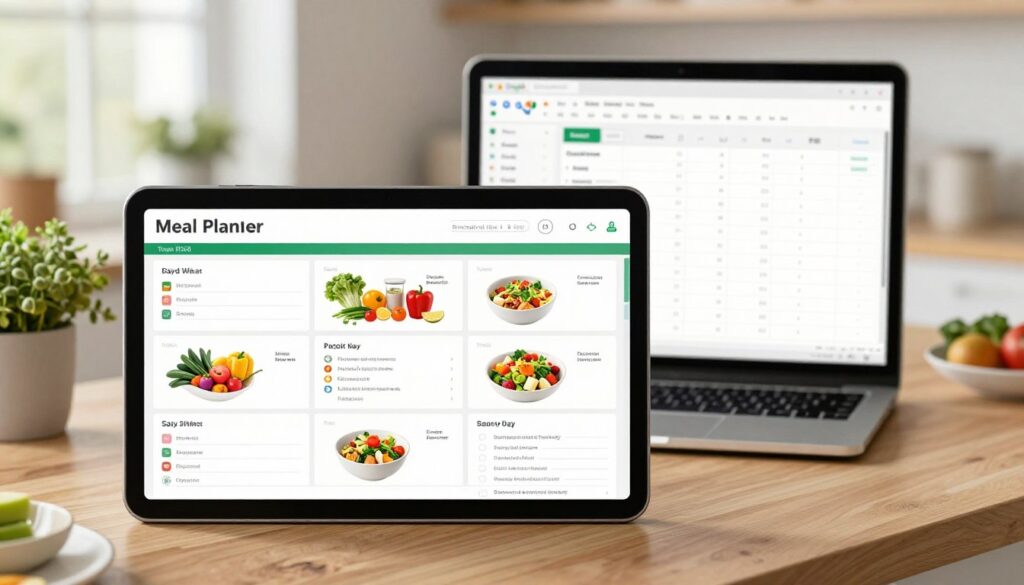
This powerful spreadsheet serves as your kitchen command center. It combines three essential tools into a single, smart document.
You gain visibility, eliminate guesswork, and save time. The system adapts to your family’s needs and preferences.
Best of all, it’s completely free and works on any device. You can access it from your phone, tablet, or computer.

Key Features of Your Free Weekly Meal Planner
The framework is built around three interconnected sections. Each one tackles a specific challenge in food organization.
1. Inventory List
This section helps you track items in your fridge, freezer, and pantry. You’ll always know what ingredients you already own.
Better visibility prevents overbuying at the store. It also reduces waste by reminding you to use food before it spoils.
2. Weekly Meal Plan & Grocery Checklist
Plan your dinners, lunches, and breakfasts day-by-day. As you fill in your menu, the shopping list populates automatically.
This clever link ensures you buy only what you need. No more forgotten items or last-minute store runs.
3. Go-To Recipe Hub
Save your family’s favorite dishes in categorized sections. Organize them by type, cuisine, or cooking time.
This hub stops endless scrolling through websites for ideas. Your best options are ready when you need inspiration.
How to Get Your Copy and Start Editing
Getting started takes less than five minutes. Follow these simple steps to make the system your own.
- Access the Template: Find the free download link provided. Click it to open the document in your browser.
- Make Your Copy: Select “Make a copy” from the File menu. This saves an editable version to your personal Drive.
- Navigate the Welcome Page: Open your new copy. Review the instructions on the first tab to understand the layout.
- Begin Personalizing: Start by adding your household’s favorite recipes to the hub. Then adjust category names to match your routine.
Customization makes this tool truly powerful. You can tailor it to fit your unique lifestyle.
- Color-code different days for visual organization.
- Add columns for dietary restrictions or nutrition notes.
- Adjust portion sizes for your family’s needs.
- Incorporate batch cooking days to maximize efficiency.
This framework balances simplicity with robust functionality. It avoids the complexity of fully automated systems.
Compared to basic paper lists, it provides far more structure. You get the benefits of organization without overwhelming features.
The digital document works seamlessly across all your devices. Share it with family members for collaborative input.
You can also print a copy for your kitchen if you prefer a physical reference. The system flexes to support your preferred working style.
Embrace this consolidated approach to your eating routine. It transforms scattered efforts into a smooth, efficient process.
Step 1: Master Your Inventory to Reduce Waste
Before writing a single item on your shopping list, there’s one essential task that transforms waste into savings. Knowing what you already own is the foundation of efficient food management and effective meal planning. This step prevents duplicate purchases and ensures ingredients get used before they spoil.
A well-maintained inventory turns forgotten items into meal inspiration, helping you plan meals for the week ahead. It connects your current supplies directly to your upcoming eating routine, making it easier to use a meal plan template. This systematic approach saves both money and mental energy each week.

Checking Your Fridge and Freezer First
Always start with your refrigerator. Perishable items here have the shortest shelf life. Fresh produce, dairy, and proteins need immediate attention in your weekly meal planning schedule.
Leafy greens and vegetables begin losing nutrients within days of purchase. Prioritize these for your earliest dinners in your meal planner. Berries, herbs, and fresh meats should also move to the front of your meal plan.
Your freezer is next. Check for frozen meats, vegetables, and leftovers approaching freezer burn. Frozen fruits and veggies maintain excellent nutritional value and can be included in your free meal planning.
They’re often frozen at peak ripeness. This can sometimes offer more nutrients than fresh options. Incorporate these frozen items into your meal prep to add variety and reduce waste while using your meal templates.
Taking Stock of Pantry Staples and Condiments
Move to dry goods and pantry shelves. Focus first on items nearing their expiration dates. Whole grains like rice and pasta can last up to six months.
Nuts, seeds, and whole-grain flours go rancid faster. Check these carefully during your inventory review. Canned goods typically have longer shelf lives but should still be monitored in your meal planner.
Don’t overlook the condiment collection in your refrigerator door. Half-used jars of pesto, sauces, and marinades often accumulate. Incorporate these into your upcoming meals before they spoil as part of your free meal planning.
These flavor boosters can transform simple ingredients into exciting meals. Using them up also clears valuable refrigerator space in your weekly meal planner.
Your inventory list becomes a living document that updates as you consume items. Check it before each grocery trip for accurate planning. Update it immediately after putting away new purchases to optimize your meal prep.
This practice reduces food waste significantly. It prevents you from buying what you already own. You’ll see your grocery bills decrease as your efficiency increases with your meal planning.
Knowing your available supplies inspires creative, resourceful dishes. It reduces your shopping list to only necessary additions for your new meal templates. This smart habit forms the core of a truly organized kitchen.
Step 2: Build Your Weekly Meal Plan Strategically
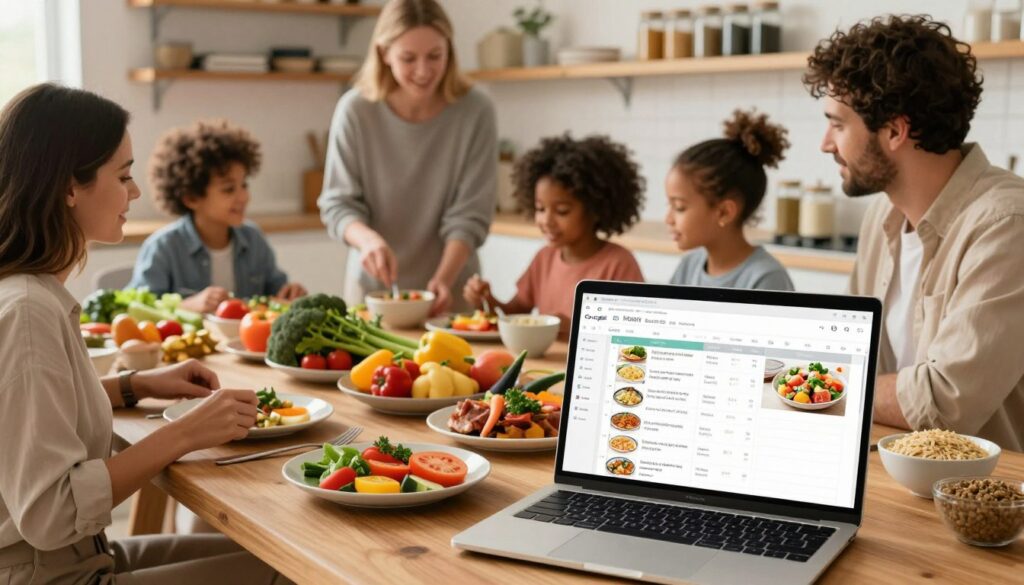
Strategic meal construction begins by anchoring your week with thoughtfully planned dinners. This approach transforms scattered ingredients into a cohesive eating schedule. You’ll create a framework that supports your entire household.
Planning Dinners as Your Foundation
Start your weekly meal planner schedule with evening meals. These typically require the most preparation and ingredient coordination. Dinners become the cornerstone of your entire eating routine and help you create templates for your meals.
Focus on bright, colorful dishes packed with diverse nutrients. This “eating the rainbow” philosophy maximizes vitamin and antioxidant intake. Incorporate various vegetables and ingredients for optimal health benefits, making it easier to plan meals that are both nutritious and appealing.
Your dinner choices should balance protein, complex carbohydrates, and healthy fats. This creates satisfying meals that keep you full and energized. Using a free meal planner can help you visualize these options. Colorful plates also make eating more visually appealing and enjoyable.
Simplifying Breakfasts and Lunches
Streamline morning meals with consistent, quick options using a weekly meal planner. Smoothies with spinach, banana, and chia seeds offer fiber, iron, and omega-3s. Overnight oats or yogurt parfaits require minimal daily decision-making, making them perfect templates for your meal prep.
For midday eating, prepare solutions that travel well with your meal planner. Bento boxes with leftovers prevent unhealthy takeout choices. Salad jars with layered ingredients stay fresh for hours, making them a great addition to your google sheets meal.
These simplified approaches save precious mental energy. You avoid the morning scramble or lunchtime panic. Consistent routines make healthy choices automatic rather than effortful, allowing you to focus on your meals a lot more effectively.
Incorporating Leftovers and Batch Cooking
Designate specific nights for consuming remaining food. This prevents waste and gives you a break from cooking. Repurpose components into new dishes throughout your week using your meal planner templates.
Prepare larger quantities of soups, stews, and casseroles. These store well and provide ready-made options for busy days. Grain bowls and roasted vegetables also maintain excellent quality when refrigerated, making them ideal for your weekly meal planner.
Always construct your eating schedule when you’re not hungry. This psychological trick prevents craving-driven decisions. You’ll make choices aligned with nutritional goals rather than immediate desires, ensuring your meals are well-planned.
Different organizational systems offer unique advantages. Kalyn Brooke’s monthly framework includes dedicated prep work sections. Reddit’s nutrition-based spreadsheet tracks macros, spending, and preparation time, serving as a useful template for your planner.
Balance variety with practicality in your weekly schedule. Include enough diversity to prevent boredom. Maintain efficient use of ingredients across multiple dishes, enhancing your meal planner experience.
Use the Weekly Meal Plan section of your digital organizer effectively. Schedule dishes while automatically generating your shopping list. Note any required advance preparation in designated columns to streamline your meal planning.
This strategic approach turns random eating into intentional nourishment. You’ll save time, reduce stress, and improve nutritional intake. Your kitchen becomes a source of calm rather than chaos, allowing you to enjoy your meals a lot more.
Step 3: Create a Personal Recipe Hub for Easy Inspiration
Building a go-to recipe hub is the secret to consistent, stress-free eating throughout your week. This curated collection transforms scattered inspiration into reliable nourishment. You stop searching and start cooking with confidence.
Your personal archive becomes the third essential pillar of organized eating. It connects your inventory to your weekly schedule seamlessly. This system ensures variety while eliminating decision fatigue.
Organizing Your Go-To Recipes by Category
Effective categorization turns chaos into clarity. Group your dishes logically for instant access when you need ideas. This structure supports balanced nutrition and culinary diversity.
Consider these practical categories for your digital organizer:
- Proteins & Seafood: Chicken, beef, fish, and plant-based protein dishes
- Vegetarian & Salads: Meat-free options and fresh vegetable creations
- Seasonal Specialties: Autumn soups, winter comfort foods, summer grilling
- Pasta & Grain-Based Dishes: Quick pasta meals, rice bowls, quinoa salads
- Special Occasions: Desserts, baking projects, homemade breads
- Flavor Enhancers: Sauces, dressings, and custom spice blends
- Budget-Friendly Choices: Economical dishes that maximize ingredients

Your digital framework offers advantages over traditional methods. A handwritten binder provides tactile satisfaction in your kitchen. Digital systems like Pinterest boards offer visual inspiration and easy sharing. Utilizing a weekly meal planner template can streamline your cooking process.
The spreadsheet tool combines both approaches effectively. You can include direct links to online sources alongside personal notes. Add preparation tips, family preferences, and cost estimates for each dish. Consider using templates to enhance your organization.
This living document grows with your culinary journey. Note successful modifications and cooking times for future reference. These details make your weekly scheduling remarkably efficient.
Tips for Curbing Endless Recipe Scrolling
Digital platforms often lead to decision paralysis. Pinterest, YouTube, and Instagram present endless possibilities. This abundance can overwhelm rather than inspire.
Implement these strategies to regain control:
- Set Time Limits: Allocate 15 minutes for recipe exploration each week. Use a timer to prevent endless browsing.
- Create Intentional Collections: Save only recipes you genuinely intend to prepare. Avoid the “someday” folder that never gets used.
- Evaluate Realistically: Consider ingredient availability, preparation time, and your skill level. Be honest about what fits your actual lifestyle.
- Batch Your Searching: Designate one day monthly for discovering new dishes. Add promising finds directly to your organized hub.
Build a balanced collection that serves different needs. Include quick options for busy weeknights alongside more elaborate weekend projects. Ensure you have economical choices for tighter financial periods.
Seasonal specialties keep your eating routine connected to fresh, available ingredients. They also add natural variety throughout the year without extra effort.
A well-maintained recipe hub supports intentional experimentation while preserving reliable favorites. It transforms cooking from a daily challenge into a sustainable practice.
Connect your recipe collection directly to inventory management templates. Knowing your preferred dishes helps you stock ingredients you consistently use. This synergy reduces waste and shopping time simultaneously.
Schedule regular reviews of your culinary archive. Remove dishes your family no longer enjoys to keep the collection relevant. Add new successes from experimental cooking sessions using effective templates.
This dynamic approach ensures your hub remains a practical tool rather than a digital graveyard. It evolves with your changing tastes, dietary needs, and time constraints.
Your personalized recipe system becomes the heart of efficient kitchen management. It provides the inspiration that makes organized eating enjoyable rather than restrictive.
Conclusion: Embrace a Simpler, More Organized Kitchen
A streamlined approach to nourishment transforms kitchen stress into kitchen success. You’ve discovered a powerful three-step system: master your inventory, build strategic weekly schedules using a template, and create a personal recipe hub.
This organized eating routine delivers tangible rewards. You gain financial freedom through reduced waste and smarter shopping. You reclaim precious time by eliminating daily decision fatigue. Your health benefits from more intentional choices.
Start today with the free digital tool. Customize it for your household’s unique needs. The initial effort yields immediate returns in calm and efficiency.
An organized kitchen creates mental space. It reduces daily stress and contributes to overall wellbeing. Embrace this simple system and transform your relationship with food.