What if you could eliminate the daily “what’s for dinner” panic once and for all?
That constant mental scramble drains your energy and often leads to expensive, less healthy choices. Imagine opening your fridge to find everything you need for delicious, home-cooked dinners already waiting.
This guide is your complete system to make that vision real. We’ll walk through a simple method for organizing your kitchen routine. You’ll learn how to save both time and money while eating better.
Think of this as a practical form of self-care. Whether you’re feeding just yourself or a whole family, having a clear plan frees up mental space for what truly matters. It helps reduce food waste and stops the last-minute stress.
You don’t need to be a master chef. This beginner-friendly approach breaks everything down into manageable steps. By the end, you’ll have a realistic and varied lineup of recipes you actually look forward to cooking.
Key Takeaways
- Meal planning eliminates daily decision fatigue and reduces stress.
- A good system saves you significant time and money each week.
- Planning ahead helps you eat healthier and reduces food waste.
- This method works for individuals, couples, and families alike.
- Having a plan prevents reliance on expensive takeout and fast food.
- The process is simple and adaptable to any cooking skill level.
- You’ll gain back mental energy for more important things in life.
Why Meal Planning is Your Secret Weapon for a Calmer Week
The secret to a peaceful evening begins long before you step into the kitchen. It starts with a simple strategy that transforms daily chaos into organized calm. This approach delivers three powerful benefits that work together.
You save precious minutes and mental energy. Your grocery expenditure drops while food waste vanishes. Most importantly, you nourish your body with better, more varied dishes.
Save Time and Mental Energy
Decision fatigue is real. Each day, you face countless choices about what to eat. A clear system eliminates this drain.
You know exactly what to make each night. No more staring into the fridge at 6 PM. Your evenings become smooth and efficient.
Multiple trips to the store disappear. One targeted shopping trip covers everything. You reclaim hours each week for what you love.

The mental relief is profound. That nightly “what’s for supper?” question vanishes. Your mind feels lighter and more focused.
Save Money and Reduce Food Waste
A targeted grocery list is your financial shield. It prevents impulse buys that blow your budget. You only purchase what you’ll actually use.
This intentional shopping dramatically cuts waste. How much? Consider this sobering statistic.
The average American household of four throws away approximately $1,500 worth of edible provisions annually. That’s money literally tossed in the trash.
A solid strategy directly attacks this cost. You use ingredients with purpose. Leftovers get designated for future dishes.
See how a plan changes everything in this comparison.
| Aspect | With a Strategy | Without a System |
|---|---|---|
| Time Spent | One weekly store trip, under 60 minutes | Multiple trips, wandering aisles, 2+ hours weekly |
| Food Waste | Minimal; ingredients have designated uses | High; unused produce spoils, leftovers forgotten |
| Weekly Cost | Predictable, often 20-30% lower | Unpredictable, inflated by impulse purchases |
| Stress Level | Low; kitchen time is purposeful | High; last-minute scrambling is common |
Eat Healthier and More Varied Meals
When you’re hungry and unprepared, convenience wins. That often means less nutritious restaurant options. Intentional meal planning and organization changes this pattern.
You deliberately incorporate nourishing meal ideas and recipes into your lineup. Variety happens naturally. You rotate proteins, grains, and vegetables for balanced nutrition in your meals.
Dietary diversity becomes effortless. One night might feature salmon and quinoa as part of your meal prep. Another could highlight beans and sweet potatoes. Your body gets a full spectrum of nutrients from these foods.
This isn’t just for dieters. It’s for anyone wanting a better system around meal planning and nourishment. You gain control over what fuels your days with a structured meal plan.
The result is a calmer, more organized home life. Kitchen time feels enjoyable rather than frantic. You experience the peace that comes from having a clear plan forward.
Your Step-by-Step Guide to Meal Planning for the Week
The difference between kitchen stress and kitchen success lies in a systematic approach to organizing your meals and meal planning. This four-step framework transforms chaotic evenings into organized dinners and effective meal prep. Follow it to create a blueprint that guides your entire week of meals.
Each step builds on the previous one. You’ll start with reality checks and finish with an actionable shopping list for your meal plan. The process removes guesswork and sets you up for consistent, enjoyable home-cooked foods.
Step 1: Audit Your Calendar and Pantry
Begin with a reality check. Look at your upcoming schedule for work events, social plans, or dates. Only organize meals for nights you’ll actually eat at home.
Monday through Friday often works best for meal planning. Be honest about when you might want takeout. This keeps your meal plan realistic, not overambitious.
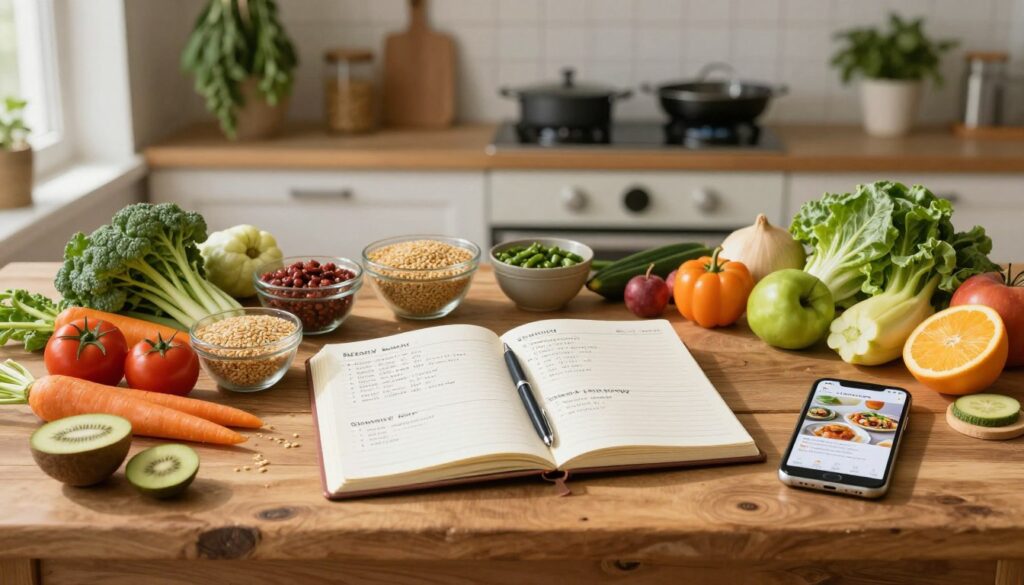
Next, shop your own kitchen first. Open your pantry, fridge, and freezer. Take stock of what meals you already own.
Identify three items to build meal dishes around. This could be a protein, grain, or vegetable. Using what you have saves money and cuts waste dramatically.

Step 2: Choose Your Recipes Strategically
Select dishes based on your actual lifestyle. Match cooking time to your available energy. Busy nights need quick, 30-minute options.
Favor “core meals” that are versatile and batch-friendly. Think stews, chilis, pasta bakes, or sheet pan dinners. These provide leftovers for future lunches.
Balance new, exciting recipes with familiar family favorites. This maintains interest without overwhelming the cook. Get inspired by restaurant dishes you love.
Consider this comparison of recipe types for different needs:
| Your Need | Ideal Recipe Type | Example Dishes | Prep & Cook Time |
|---|---|---|---|
| Extremely Busy Day | Under 30 Minutes | Lettuce-wrap tacos, quick frittata | 20-30 min total |
| Make-Ahead Convenience | Big Batch & Freezer-Friendly | Hearty chili, curry, soup | 45-60 min (eats for days) |
| Minimal Cleanup | One-Pan/Sheet Pan Meal | Roast chicken traybake, salmon bake | 40-50 min, one pan |
| Using Leftovers | Versatile “Catch-All” | Clean-out-the-fridge stir-fry, harvest soup | 25-35 min |
Step 3: Plug Meals into Your Weekly Planner
Transfer your chosen meals to a visual meal plan organizer. Use a simple template or digital calendar for meal planning. This creates a clear map for your upcoming days.
Focus on having enough variety in your meals, not rigid timing. Place quicker meal options on busier evenings. Schedule longer cooks for nights with more hand time.
Remember, this meal planning is for organization, not inflexible scheduling. You can swap days as needed. The planner simply gives you a confident starting point.
Step 4: Build Your Master Grocery List
Create your meal plan shopping list directly from recipe ingredients. Check your pantry first to avoid buying duplicates. This step is crucial for staying on budget.
Organize the meal plan list by store section: produce, dairy, proteins, dry goods. This makes your trip efficient and prevents backtracking in aisles.
Consider using digital tools like Google Sheets for your meal plan list and plan. Digital lists are easy to access, update, and share with family members.
Following these four steps systematically removes the guesswork. You’ll have everything needed for a successful, stress-free week of eating. The blueprint is complete.
Smart Shopping: How to Build a Budget-Friendly Grocery List
Transforming your shopping habits can cut your food bill while boosting flavor. A strategic list turns your kitchen blueprint into delicious reality. This approach ensures you get the right ingredients at the right price.
Your grocery list is the direct link between intention and action. It converts your organized plan into tangible savings. Let’s explore three powerful tactics to build this essential tool.
Shop Seasonal and Local First
Nature’s calendar offers the best deals. Produce harvested in season costs less. It also packs more flavor and nutrition.
Think summer tomatoes bursting with sweetness. Consider winter sweet potatoes, rich and comforting. These items are abundant and affordable during their peak.
Visit local farmers’ markets for the freshest picks. Shopping later in the day often yields discounts. Vendors may reduce prices on remaining items.
Use a seasonal food guide for your region. This helps you anticipate what will be plentiful. Your meals become more vibrant and cost-effective.
Plan for Overlapping Ingredients
Design your dishes to share common components. This strategy minimizes variety in your cart. It ensures every item gets fully used.
Purchase one bunch of cilantro for multiple recipes. Buy a bag of carrots for a soup and a salad. Use a block of cheese in a frittata and on tacos.
Embrace the “cook once, eat twice” philosophy. A whole roast chicken provides protein for several distinct dishes. The initial effort yields multiple easy dinners.
This method dramatically reduces spoilage. You won’t find forgotten herbs wilting in the fridge. Every ingredient has a clear purpose.

Buy Staples in Bulk and Utilize Your Freezer
Pantry fundamentals offer the best bulk savings. Beans, rice, oats, and spices cost far less in larger quantities. Store them properly in airtight containers.
Your freezer is a critical budget tool. It preserves value and extends freshness. Use it strategically for maximum impact.
Purchase family-sized packs of meat on sale. Divide and freeze portions for future use. This locks in low prices.
Freeze batch-cooked dishes like soups and stews. They become convenient safety nets for busy nights. Label everything with dates for easy identification.
Don’t overlook vegetable preservation. Chop and freeze extra bell peppers or berries. Blanch and freeze greens like spinach for later.
Even scraps have value. Save onion ends, carrot peels, and herb stems. Freeze them for making homemade broth.
Apply smart storage techniques to keep items fresh. Keep ethylene-producing fruits like apples separate from greens. Use your crisper drawers correctly for produce.
Wrap herbs in damp paper towels before refrigerating. This simple trick prevents premature wilting. Your ingredients last longer.
A smart shopping list turns your good intentions into real savings. It’s the practical bridge between your organized kitchen blueprint and a lower grocery bill. Master these tactics to stock your home efficiently.
Building Your Arsenal: The Hallmarks of a “Core Meal”
Think of your recipe collection as a personal toolkit for effortless evenings. The most valuable tools in this kit are your core dishes. These are the reliable, family-approved favorites that form the backbone of any organized kitchen routine.
Core recipes eliminate daily guesswork. They ensure satisfaction and reduce last-minute stress. Building this arsenal is key to sustainable success.
What makes a dish earn “core” status? Several practical hallmarks define these kitchen workhorses. Each characteristic solves a specific challenge in home cooking.
Quick and Easy (Under 30 Minutes)
Busy weeknights demand efficiency. Recipes that cook in 30 minutes or less prevent reliance on expensive takeout. They get food on the table fast.
Think 15-minute nachos or lemon garlic chicken wraps. A quick frittata or stir-fried noodles also qualify. These dishes respect your limited time.
The goal is simplicity without sacrificing flavor. Having several speedy options ready makes hectic days manageable. Your evenings stay calm.
Freezer-Friendly for Future You
Strategic batch cooking creates a personal safety net. Freezer-friendly meals are investments in future calm. They provide ready-made dinners for unpredictable days.
Classic bolognese, hearty chili, and creamy soups freeze beautifully. Divide them into portions before freezing. Label everything with dates.
Your freezer becomes a treasure chest of convenience. On exhausting days, simply reheat a homemade dish. This beats any drive-thru.
One-Pan Wonders for Easy Cleanup
Minimal cleanup keeps cooking enjoyable. One-pan or sheet pan meals streamline the entire process. Everything cooks together on a single tray.
Consider a roast chicken traybake with root vegetables. Try a salmon bake or one-pan lasagna. These options are remarkably simple.
You spend less time washing dishes afterward. This makes the routine more sustainable long-term. Your kitchen stays organized.
Versatile “Catch-All” Recipes
Flexible templates actively reduce food waste. Catch-all dishes absorb leftover vegetables and proteins from your fridge. They give new life to ingredients.
Stir-fries, frittatas, and harvest soups are perfect examples. Use up that half bell pepper, those leftover beans, or wilting greens. Nothing goes to waste.
These recipes are creative and economical. They solve the “what to do with leftovers” puzzle beautifully. Your grocery budget stretches further.
Beyond these four hallmarks, core dishes share other valuable traits. They should be nourishing and balanced for your family. Familiar flavors ensure everyone eats happily.
The ideal core recipe also suits repurposing. Cook once, eat twice—or more. Leftover roast chicken becomes tomorrow’s salad or wrap.
Start by auditing your own collection. Identify dishes your household already loves. These are your foundational core meals.
Slowly expand this arsenal over time. Try one new recipe each week. If it’s a hit, add it to your permanent rotation.
Fill your weekly lineup primarily with these trusted dishes. This creates a stable, low-stress foundation. Leave room for just one or two new experiments.
With a solid arsenal of core recipes, you’re always prepared. Dinner decisions become effortless. You gain confidence and reclaim your evenings.
A Week of Stress-Free Dinners: Your Sample Meal Plan
Let’s put all the principles into action with a complete, seven-day lineup of dinners. This practical blueprint is designed to feed a family of four for about $100.
It showcases variety, smart budgeting, and the strategic reuse of ingredients. Each dish connects to the next, minimizing waste and effort.

Monday: Hearty Black Bean & Sweet Potato Chili
Start your week with a nourishing and cost-effective vegan dish. This chili uses affordable beans and seasonal sweet potatoes.
It’s packed with fiber and protein. A single pot makes a large batch, providing ample leftovers for easy lunches.
You can prepare it in under 45 minutes. Serve it with a sprinkle of fresh cilantro or a dollop of avocado.
Tuesday: Lettuce-Wrap Chicken Tacos (Using Leftovers)
Transform Saturday’s roast chicken into a fresh, low-carb taco night. Shred the leftover meat and warm it with simple spices.
Use crisp lettuce leaves as your wraps. This method highlights the “cook once, eat twice” philosophy perfectly.
Top with diced tomatoes, onion, and a squeeze of lime. It’s a quick, flavorful meal that feels entirely new.
Wednesday: Spinach and Mushroom Frittata
Embrace “breakfast for dinner” with this versatile frittata. It’s an excellent way to use up remaining vegetables and greens.
Whisk eggs with sautéed mushrooms, spinach, and a bit of cheese. Bake until golden and puffed.
This dish cooks in one pan and is ready in 30 minutes. Pair it with a simple side salad for a complete, vegetarian dinner.
Thursday: Herb-Grilled Salmon with Quinoa
Incorporate a heart-healthy protein into your routine. Buying salmon frozen or on sale keeps costs manageable.
Season fillets with fresh herbs and lemon. Grill or bake them for a tender, flaky result.
Cook extra quinoa on the side. This whole grain sets you up perfectly for tomorrow’s dinner while providing excellent nutrition tonight.
Friday: Clean-Out-The-Fridge Veggie Stir-Fry
This is the ultimate no-waste solution. Transform miscellaneous veggies and leftover quinoa into a delicious dinner.
Chop any remaining bell peppers, broccoli, or carrots. Stir-fry them quickly in a hot pan with a savory sauce.
Toss in the quinoa to create a satisfying, veggie-packed dish. It’s a creative and economical way to end the work week.
Saturday: Roast Chicken & Root Vegetable Traybake
Enjoy a simple, family-friendly weekend centerpiece. Roast a whole chicken on a sheet pan surrounded by carrots, potatoes, and onions.
This one-pan wonder requires minimal active effort. The result is juicy meat and caramelized, flavorful vegetables.
The roasted chicken provides meat for multiple future dishes. Save the carcass to make a rich, homemade broth.
Sunday: Leftover Harvest Soup & Salad
Conclude your week by using every last bit. Simmer vegetable scraps, leftover chicken, and wilting greens into a comforting harvest soup.
Pair it with a large salad to use up the final lettuce, tomatoes, and herbs. This final effort clears out your fridge.
You start the next week with zero waste and a clean slate. It’s the perfect, peaceful finish to your organized kitchen routine.
Meal Prep vs. Flexible Cooking: Finding Your Strategy
The final piece of your kitchen puzzle isn’t just what you’ll eat, but how you’ll prepare it throughout your busy days. Execution matters as much as intention. Two main styles dominate home cooking: dedicated batch preparation and nightly “cook fresh” methods.
Your choice depends on your schedule, energy, and personal preferences. There’s no single right answer. The best approach is the one you’ll maintain consistently.
The Batch-Prep Approach (Sunday Funday)
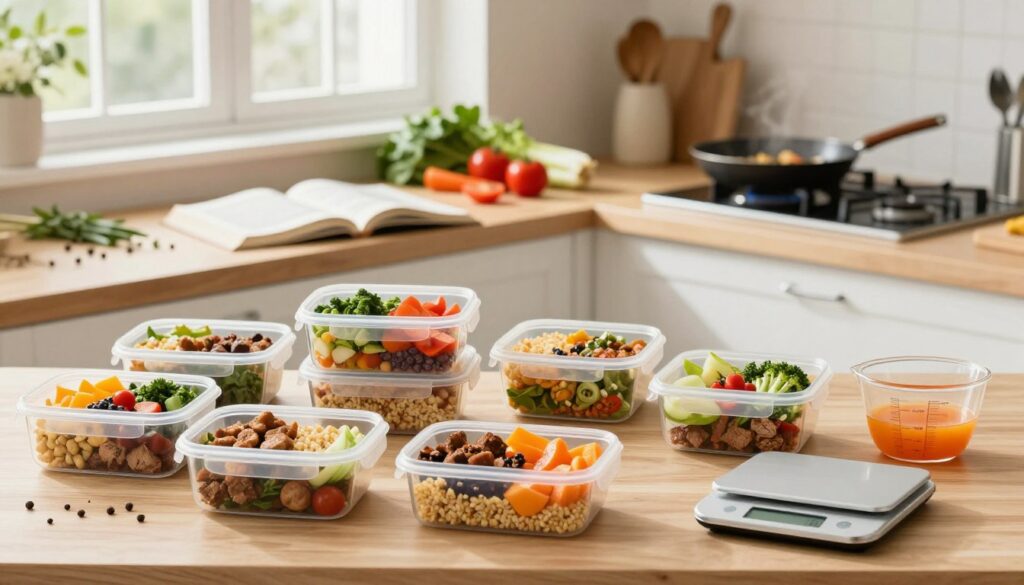
This method involves dedicating a block of time to prepare components or full dishes. Many people choose Sunday afternoon for this task. You wash and chop produce, cook grains like rice, and marinate proteins.
The result is grab-and-go convenience all week. Your fridge contains ready-to-eat options. This saves precious minutes on hectic evenings.
Batch preparation is ideal for busy professionals. It’s also great for anyone with unpredictable schedules. You invest effort once to reap rewards multiple times.
Consider cooking a large pot of chili or soup. Portion it into containers for easy reheating. Roast a tray of vegetables to add to various dishes.
Your freezer becomes a valuable asset here. Store extra portions for future use. Label everything with dates for easy identification.
The “Cook Fresh” Nightly Method
This style involves following your blueprint but executing each recipe from scratch. You prepare dishes on their designated day. Many families prefer this for maximum freshness and variety.
Ingredients retain their peak texture and flavor. Meals feel more spontaneous and engaging. This approach suits those who enjoy the cooking process itself.
It works well for households that cook together. The nightly ritual can be bonding time. It also allows for last-minute adjustments based on cravings.
You’ll need organized ingredients and clear recipes. Having everything pre-measured isn’t necessary. The focus is on daily culinary creation.
This method may require more active time each evening. However, it often feels less like a chore. The experience becomes part of your family’s routine.
The Hybrid System: The Best of Both Worlds
Most people find success with a blended approach. This practical middle ground offers flexibility without overwhelm. You prep base components to make nightly assembly faster.
Think chopped onions, cooked rice, or marinated chicken. These prepared elements cut cooking time significantly. You still enjoy the freshness of daily preparation.
Another hybrid option involves batch-cooking two or three dishes. Cook the others fresh throughout your days. This balances convenience with variety.
For example, prepare a large quinoa salad and a soup on Sunday. Then cook quick stir-fries and pasta dishes nightly. You have ready options for your busiest days.
This system adapts to changing energy levels. On high-energy days, you might cook from scratch. On tired evenings, you reach for pre-made components.
Choosing your strategy requires honest self-assessment. Consider these factors when deciding:
- Weekly Schedule: How many evenings are truly available for cooking?
- Energy Patterns: When do you have the most mental bandwidth for kitchen work?
- Personal Preference: Do you enjoy cooking or view it as a necessary task?
- Family Dynamics: Does your household cook together or separately?
A time-pressed single professional might thrive on full batch preparation. A family that enjoys culinary exploration may prefer the nightly method. Many find the hybrid system offers the perfect balance.
Experiment to discover what works for your life. Try one approach for a few weeks, then another. Notice which reduces stress and feels sustainable.
The goal is consistency, not perfection. Your strategy should make sticking to your organized routine effortless. When you find the right fit, dinner becomes a calm, enjoyable part of your day.
Pro Tips for Storage and Leftovers (No Waste!)
Your journey toward zero-waste cooking culminates with smart storage and creative reuse of ingredients. This final phase protects your investment and stretches your grocery budget further.
Think beyond just putting food away. Proper techniques keep everything fresher longer. A strategic approach transforms potential spoilage into future delicious dishes.
These methods complete your efficient kitchen system. They ensure nothing purchased goes to waste. Your efforts in organization pay off fully here.
Proper Storage to Maximize Freshness
Correct storage begins with understanding your refrigerator’s zones. The crisper drawers control humidity for produce. Use the high-humidity setting for leafy greens and herbs.
Keep ethylene-producing fruits separate from sensitive vegetables. Apples, bananas, and tomatoes emit this gas. It causes nearby greens to wilt and spoil faster.
Invest in quality airtight containers for dry goods and leftovers. Glass or BPA-free plastic works well. These prevent moisture loss and odor transfer.
For herbs, treat them like fresh flowers. Place stems in a jar with an inch of water. Cover loosely with a plastic bag and refrigerate.
Wrap lettuce and leafy greens in damp paper towels before bagging. This maintains crispness for days. Your salads stay fresh and vibrant.
Store cheese in its original wrapping or parchment paper. Avoid plastic wrap that can cause sweating. Hard cheeses last longest when properly handled.
Reinventing Leftovers into New Meals
Shift your perspective from “boring repeats” to “ingredients for new creations.” Last night’s roasted chicken becomes today’s taco filling. Those extra grilled vegetables transform into a hearty soup.
Adopt a “second meal” mindset when cooking. Intentionally prepare extra quinoa or salmon with a specific next use in mind. This planned surplus saves cooking time later.
Turn roasted chicken into multiple distinct dishes. Shred it for tacos or wraps. Simmer the carcass with vegetable scraps for rich homemade broth.
Transform cooked beans and grains into a flavorful salad. Add fresh herbs, diced vegetables, and a simple vinaigrette. This makes a perfect next-day lunch.
Blend roasted vegetables with broth for a creamy soup. Alternatively, toss them with pasta and a light sauce. Both options feel entirely new.
Save all vegetable scraps like onion ends and carrot peels. Freeze them in a bag until you have enough. Then simmer for a flavorful, cost-effective broth.
Making Freezer Meals Your Safety Net
Elevate your home freezer from an icy cavern to a strategic kitchen asset. It preserves value and provides convenient homemade options. This eliminates reliance on expensive takeout.
Certain dishes freeze exceptionally well. Soups, stews, chili, and casseroles maintain their texture and flavor. Sauces like marinara or bolognese also freeze beautifully.
When cooking these items, simply double the recipe. Portion half into freezer-safe containers. Label each with the name and date before freezing.
Use proper packaging to prevent freezer burn. Remove as much air as possible from bags. Allow hot items to cool completely before freezing.
Build a rotating library of frozen dinners. Aim to always have three to four different options available. This variety prevents taste fatigue.
Maintain a simple inventory list on your freezer door. Note what you have and when it was made. Practice “first in, first out” to use older items sooner.
Your freezer becomes a personal safety net for busy nights. On exhausting days, you simply reheat a homemade dish. This beats any drive-thru for both nutrition and cost.
These practices form the final, crucial step in a zero-waste system. They save money and time in the long run. Your organized kitchen routine becomes truly sustainable.
Troubleshooting Your Meal Plan
Even the most carefully crafted kitchen blueprint can encounter unexpected detours. That’s normal life, not failure. Your strategy should bend, not break, when surprises arise.
This section addresses common hiccups. You’ll learn flexible solutions for last-minute changes. We’ll also tackle picky eaters and recipe boredom.
Remember, there’s no perfect one-size-fits-all system. The goal is a calmer life, not rigid perfection. Your plan exists to serve you.
When Your Schedule Suddenly Changes
Last-minute meetings or cancelled plans happen to everyone. Don’t scrap your entire lineup. Instead, have a simple swap protocol ready.
Keep one freezer meal as an emergency backup. Move tonight’s intended dish to tomorrow’s slot. This maintains your grocery usage without waste.
For truly chaotic days, embrace a “scramble” dinner. Use eggs, canned beans, or quick-cooking pasta. These pantry staples save the evening.
If you consistently face unpredictable evenings, adjust your approach. Plan only three or four definite dinners. Leave other nights flexible.
Dealing with Picky Eaters or Family Preferences
Different tastes under one roof require creative solutions. The key is offering choice within your organized framework. Everyone feels heard.
Try “deconstructed” meals where components are served separately. A taco bar lets each person build their perfect version. A baked potato station works similarly.
Maintain a short list of reliable “safe” dishes everyone enjoys. Rotate these favorites regularly. This builds consistency and reduces complaints.
Involve household members in the selection process. Let a different person choose one dinner each seven days. This increases buy-in dramatically.
When stuck for fresh ideas, think about favorite restaurant orders. Can you recreate that takeout burger or salad at home? Often, you can.
Avoiding Recipe Burnout and Boredom
Eating the same dishes repeatedly leads to culinary fatigue. Actively combat this by rotating your core arsenal. Introduce seasonal variations.
Schedule one “fun” or new recipe each week. This maintains excitement without overwhelming your routine. Treat it as a culinary adventure.
Update your choices with the seasons. Summer brings fresh tomatoes and zucchini. Winter welcomes squash and hearty greens. Nature provides natural variety.
If you feel overwhelmed, scale back your ambition. Start by organizing only breakfasts or lunches. Build confidence with a smaller commitment first.
You can include snacks and desserts in your strategy too. Having healthy options ready prevents less nutritious impulse choices.
Here’s a practical guide to common challenges and their solutions:
| Common Challenge | Immediate Fix | Long-Term Strategy |
|---|---|---|
| Last-Minute Schedule Change | Swap dinner days or use a freezer meal. | Keep 2-3 emergency backup options stocked. |
| Picky Eater Rebellion | Serve components separately (deconstructed meal). | Involve them in choosing one weekly dish. |
| Recipe Fatigue | Order thoughtful takeout as a reset. | Rotate 10-12 core dishes seasonally. |
| Overwhelmed by Planning | Plan just the next 3 dinners, not 7. | Use a digital template to streamline the process. |
| Ingredients About to Spoil | Make a “clean-out” stir-fry or soup. | Shop more frequently for perishables. |
| Zero Energy to Cook | Assemble a simple cheese plate with fruit. | Batch prep components on high-energy days. |
Normalize the occasional “plan failure” and takeout night. This is part of the journey, not a reason to quit. Be kind to yourself.
At the end of each seven days, do a quick review. Ask what worked well and what felt difficult. Use these insights to refine your personal system.
The ultimate aim is peace, not perfection. Your kitchen routine should reduce stress, not create it. Adjust until you find that sweet spot.
When all else fails, remember that scrambled eggs or a simple salad still count as dinner. Nourishment matters more than complexity.
Conclusion: Embrace the Plan, Enjoy the Peace
The true reward of an organized kitchen isn’t just saved time—it’s the profound peace that comes from knowing dinner is handled. Adopting this weekly habit is a powerful investment in your health, budget, and mental well-being.
Every week you practice, your skills grow. Dishes might not always go as planned—that’s normal life. The initial effort pays dividends in reduced stress and enjoyable home cooking.
View this as a flexible skill that evolves. The goal is calm control, not perfect adherence. Start by auditing your pantry or using a template like The Workweek Lunch Meal Prep Program.
You’re choosing to spend less energy worrying about food and more savoring it. This system transforms a daily chore into streamlined enjoyment. The peace you gain creates space for what truly matters in your life.