Self Care 5 in 1 Facial Serum : Your Ultimate Skincare Solution
What if one single product could truly simplify your entire beauty routine? Imagine tackling dryness, fine lines, and dullness all at once. Your quest for a streamlined yet powerful regimen might finally be over.
This innovative formula combines five essential actions into one step. It offers deep hydration with hyaluronic acid, fights signs of aging, including wrinkles, and brightens your complexion. The goal is to support your skin’s health without a cabinet full of products. This acid facial serum also includes beneficial ingredients like coconut oil and sunflower seed oil to nourish your skin.
We will explore the science behind this all-in-one solution. You will learn how its ingredients, such as Matrixyl 3000, work together to improve texture and resilience. Discover if this potent blend delivers the visible results your complexion deserves, making it a top choice for selfcare in Canada.
Key Takeaways
- This product is designed to address multiple skin concerns simultaneously.
- It aims to simplify your daily routine by combining several benefits.
- The serum features a blend of active ingredients for comprehensive care.
- It promises to hydrate, brighten, and improve skin texture.
- The formula is intended to be lightweight and absorb quickly.
- It positions itself as an accessible, professional-quality skincare option.
- This review will analyze its performance across different skin types.
Facial Serum – Product Overview and Key Features
Transform your daily routine with an affordable solution that tackles multiple complexion concerns simultaneously, featuring hyaluronic acid and coconut oil for enhanced hydration. This carefully designed facial serum selfcare from Selfcare Canada offers professional-grade results without the luxury price tag.
Product Description and Claims
The manufacturer describes this multi-action blend as intensely hydrating and smoothing. It aims to reduce visible fine lines while boosting your skin’s natural radiance.
Your experience begins with a lightweight texture that absorbs quickly. This makes it ideal for layering under moisturizer or makeup without greasy residue.
Packaging, Price, and Availability
This option from Selfcare Canada provides exceptional value at C$9.99. The brand maintains commitment to sustainability through recyclable materials.
| Feature | Benefit | Key Details |
|---|---|---|
| Price Point | Exceptional Value | C$9.99 (approx. $7-8 USD) |
| Packaging | Eco-Friendly Protection | Recyclable materials, light-resistant |
| Formulation | Clean Beauty Standards | Vegan, cruelty-free, allergen-free |
| Availability | Easy Access | SKU: OP95012, detailed usage instructions included |
The product page offers comprehensive content about proper application. You can make informed decisions with full ingredient transparency.
Facial Serum – Effective Skincare Benefits
Unlock the visible advantages of a formula engineered to target hydration and aging signs together, featuring key ingredients like hyaluronic acid and coconut oil. This approach provides comprehensive care for your complexion, ensuring your skin benefits from a high-quality facial serum selfcare.
The blend works on multiple levels to improve your skin’s health and appearance, helping to reduce wrinkles with the power of sunflower seed oil and other nourishing products.
Hydration and Moisturizing Effects
Your skin receives intense moisture from twelve different components. Key ingredients like Hyaluronic Acid and Glycerin help prevent water loss.
This creates a protective barrier that maintains optimal hydration all day. The result is a plump, dewy feel and a reduction in dryness.
Anti-Aging and Fine Lines Reduction
Eight active agents work to combat visible signs of aging. Powerful antioxidants and peptides help minimize the look of wrinkles, making this hyaluronic acid facial an essential part of your serum selfcare Canada routine.
They support your skin’s natural collagen production for improved firmness, while nourishing ingredients like coconut oil and seed oil enhance the overall effectiveness. Hydrolyzed collagen offers both immediate and long-term benefits for elasticity.
Consistent use leads to a smoother texture and a more radiant appearance.
| Primary Benefit | Key Action | Notable Ingredients |
|---|---|---|
| Deep Hydration | Prevents moisture loss, plumps skin | Hyaluronic Acid, Glycerin, Trehalose |
| Wrinkle Reduction | Stimulates collagen, protects skin | Niacinamide, Peptides, Vitamin C |
| Improved Elasticity | Supports skin’s structural proteins | Hydrolyzed Collagen, Tocopherol |
| Texture Refinement | Smooths surface, enhances radiance | Aloe Barbadensis, Stearic Acid |
Formulation and Ingredient Breakdown
Understanding what goes into your skincare products, such as hyaluronic acid facial treatments and nourishing seed oil, helps you make smarter choices for your complexion. This carefully crafted blend contains 31 distinct components working together, reflecting the essence of selfcare Canada.
The formula achieves a balanced organic score of 42% natural and 48% chemical ingredients. It maintains clean beauty standards while delivering effective results, making it a top choice for those seeking quality skincare ingredients.
Comprehensive Ingredient List
Water serves as the primary base in this serum selfcare Canada product, allowing proper dissolution of all active components. This creates the lightweight texture that absorbs quickly into your skin, similar to the benefits of seed oil.
Niacinamide appears second in concentration, indicating meaningful levels for addressing multiple concerns related to ingredient efficacy. The presence near the top suggests therapeutic amounts rather than marketing quantities.
Active Components and Their Roles
Three forms of hyaluronic acid hydrate different skin layers simultaneously. High molecular weight provides surface moisture while smaller particles penetrate deeper, much like nourishing food for your skin.
Collagen support comes through three approaches: hydrolyzed collagen, production-stimulating peptides, and vitamin C for synthesis. This multi-pronged strategy improves firmness and elasticity, showcasing the effectiveness of quality ingredients.
Aloe barbadensis leaf juice offers soothing properties with over 200 nutrients, making it a vital ingredient in selfcare canada products. Stearic acid controls texture while creating a protective barrier without heaviness.
Each component serves multiple functions in this sophisticated form. The Selfcare Canada products demonstrate thoughtful ingredient selection for comprehensive care.
How Self Care 5 in 1 Facial Serum Works on Your Skin
Discover the sophisticated mechanisms that transform your complexion from the inside out. This advanced formula operates through multiple pathways to deliver comprehensive benefits.
Skin Barrier Support and Elasticity Improvement
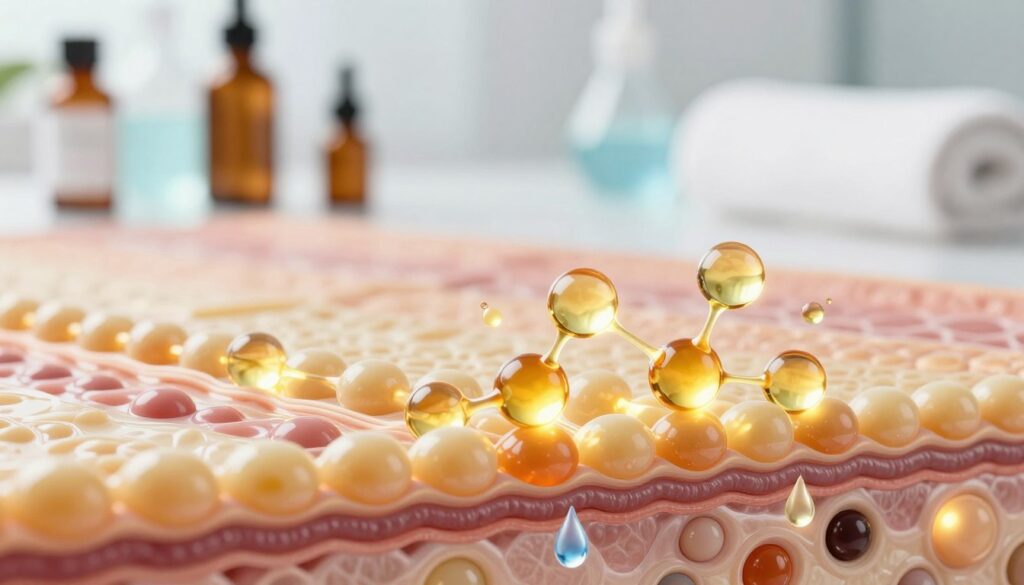
Your protective barrier receives crucial reinforcement from ceramides and glycerin, both key ingredients that strengthen the lipid matrix between cells.
This action reduces water loss while defending against environmental stressors. The cumulative effect builds with each application.
Elasticity enhancement works through a dual approach. Collagen peptides signal increased protein production while antioxidants protect existing fibers, showcasing the effectiveness of these powerful ingredients.
Rapid Absorption and Visible Results
The lightweight texture allows immediate penetration of active ingredients. Your skin quickly absorbs hydrating ingredients without residue.
Noticeable improvements follow a clear timeline. Hydration and plumping appear within hours of use.
Longer-term benefits like wrinkle reduction become apparent after consistent application. Most users see significant changes within 2-4 weeks.
The hyaluronic ingredient creates a moisture reservoir that maintains optimal plumpness throughout the day. This supports overall skin health by creating ideal conditions for cellular renewal.
Boosted Radiance with Hyaluronic Acid and Vitamin Complex
Experience a remarkable transformation in your complexion’s luminosity through advanced hydration and vitamin technology. The formula contains five distinct forms of hyaluronic acid that work together to moisturize different skin layers.
Each molecular weight targets specific depths for comprehensive moisture delivery. This creates immediate plumping that smooths fine lines and enhances light reflection.
Your radiance receives a significant boost as this ingredient attracts substantial water weight. The vitamin complex ingredient featuring B5, C, and E provides comprehensive nourishment and protection.
Vitamin C actively boosts collagen production while fading dark spots. This creates a more even tone that enhances youthful appearance.
The antioxidant effect of vitamins C and E together counters the aging process. They neutralize free radicals that cause oxidative stress and visible signs like wrinkles.
| Component | Primary Function | Visible Benefit |
|---|---|---|
| Hyaluronic Acid Complex | Multi-layer hydration | Instant plumping, smoothed texture |
| Vitamin C (Ascorbic Acid) | Collagen synthesis, brightening | Firmer skin, even tone |
| Vitamin E (Tocopherol) | Photoprotection, antioxidant | UV damage protection |
| Vitamin B5 (Niacinamide) | Barrier support, calming | Reduced sensitivity, strengthened defense |
Environmental protection is significantly enhanced when these vitamins combine as key ingredients. Research shows they work synergistically to provide photoprotection against UV-induced damage.
The barrier-supporting properties of these ingredients help your skin maintain protective functions. This prevents moisture loss while blocking irritants from causing inflammation.
Collagen synthesis receives a powerful boost from vitamin C’s essential role in stabilization as an important ingredient. Your skin experiences reduced damage from daily stressors through this antioxidant network.
The combined effect of hyaluronic hydration and vitamin nourishment creates optimal conditions. This supports natural repair processes for healthy, radiant appearance.
Reviewing the Science Behind Key Ingredients
Clinical research provides fascinating insights into how these ingredients work. Understanding their biological mechanisms helps you appreciate the ingredient formula’s sophistication.
Each ingredient component serves specific purposes backed by scientific evidence. The synergy between them creates comprehensive benefits for your complexion.
Niacinamide, Vitamin C & E Synergy
Niacinamide demonstrates remarkable versatility at optimal 4-5% concentrations. Research confirms its ability to smooth wrinkles and strengthen your barrier.
This ingredient increases ceramide synthesis for improved defense. It also helps manage various conditions through its multi-action approach.
The combination of vitamin C and E creates enhanced photoprotection. Studies show this pair provides better UV damage protection than单独使用.
Peptides: Acetyl Hexapeptide-3 and Matrixyl 3000
Acetyl Hexapeptide-3 operates through a unique mechanism targeting muscle contractions. Manufacturer studies reveal significant wrinkle reduction in short periods.
Matrixyl 3000 represents advanced peptide technology with two key components. This complex signals your skin to produce more structural proteins.
The effect differs from temporary solutions by stimulating natural regeneration. Consistent use leads to genuine improvements in skin quality over time.
Insights into Plant Oils and Emollients
Plant-based oils bring both functional and nourishing properties to the formula. Coconut oil serves as emollient and preservative despite its comedogenic rating.
Sunflower seed oil offers non-comedogenic hydration rich in linoleic acid. This component addresses deficiencies common in problematic complexions.
Stearic acid helps blend ingredients while providing smooth application. Aloe barbadensis leaf juice contributes anti-inflammatory compounds for soothing effects.
| Ingredient Category | Primary Function | Scientific Backing |
|---|---|---|
| Niacinamide | Barrier strengthening, wrinkle reduction | Clinical studies at 4-5% concentration |
| Vitamin C & E | Enhanced photoprotection, antioxidant defense | Synergistic effect research |
| Acetyl Hexapeptide-3 | Muscle contraction reduction | 17% wrinkle depth decrease in 15 days |
| Matrixyl 3000 | Collagen and elastin stimulation | Palmitoyl peptide complex studies |
| Plant Oils | Barrier support, antioxidant delivery | Fatty acid profile analysis |
Skin Compatibility and Suitability for Different Types
Compatibility with different skin types is crucial when selecting an all-in-one skincare product. This formula demonstrates broad compatibility across multiple complexion profiles.
Ideal for Normal, Dry, and Combination Skin
Your normal skin will appreciate the balanced formulation that provides hydration without heaviness. The lightweight texture absorbs quickly, leaving no greasy residue.
Dry complexions benefit significantly from multiple moisturizing ingredients. These components create a protective barrier against water loss throughout the day.
Combination skin types find this product particularly effective. It moisturizes drier zones without overloading oily areas, helping balance your overall condition.
Considerations for Sensitive and Acne-Prone Skin
Sensitive skin requires careful evaluation despite the formula’s free-from claims. While it lacks common irritants, active components may cause initial sensitivity.
The absence of synthetic fragrances and harsh preservatives reduces irritation risk. Soothing ingredients like aloe help minimize potential reactions.
Acne-prone skin presents more complex considerations. Five potentially pore-clogging components could trigger breakouts in susceptible individuals.
Your skin health may benefit from certain ingredients if you’re not clog-prone. These components provide valuable moisturizing and barrier-supporting properties.
Individuals with fungal acne should exercise caution. The formulation includes components that may support malassezia growth.
Application Tips for Optimal Results
Mastering the correct application method is key to unlocking the full potential of your skincare investment. How you use this acid facial serum significantly influences the visible results you achieve.
Following a few simple guidelines ensures the active ingredients work effectively. This maximizes the benefits for your complexion.
How to Incorporate into Your Daily Routine
Start with a thoroughly cleansed face to remove any barriers. This allows the product to penetrate deeply without interference.
Apply the serum to slightly damp skin for enhanced absorption. Using 2-3 drops is typically sufficient for your face and neck.
Gently massage it in until fully absorbed. Remember the golden rule: apply products from thinnest to thickest consistency.
This lightweight formula should come after cleansing and before your moisturizer.
Best Times and Complementary Skincare Steps
The best time for use is both morning and evening. Morning application provides antioxidant protection throughout the day.
Evening use supports your skin’s natural overnight repair processes. Always follow the serum with a moisturizer to seal in the active ingredients.
Sun protection is non-negotiable during daytime hours. Patience is essential, as significant benefits like wrinkle reduction appear after 4-6 weeks of consistent use.
If you are new to active ingredients, start with once-daily application in the evening. Avoid using the product on broken or irritated skin.
self care 5 in 1 facial serum: Benefits and User Experiences
Real-world results speak volumes about a formula’s effectiveness, revealing how it performs beyond laboratory claims. Your complexion receives comprehensive attention from multiple angles simultaneously.
Twelve hydrating components work together to maintain optimal moisture levels throughout your day. This prevents the tight, dry feeling that often accompanies mature skin.
| Primary Benefit | Key Mechanism | Timeframe for Results |
|---|---|---|
| Deep Hydration | 12 moisturizing ingredients create protective barrier | Immediate to 1 week |
| Wrinkle Reduction | 8 anti-aging agents target collagen production | 4-8 weeks consistent use |
| Texture Improvement | 9 softening agents refine skin surface | 2-4 weeks noticeable change |
| Radiance Boost | Hyaluronic plumping enhances light reflection | Instant and cumulative |
Collagen support occurs through multiple pathways in this advanced formula. Hydrolyzed collagen provides immediate benefits while peptides stimulate long-term production.
The most dramatic improvements typically appear after consistent twice-daily application for 4-8 weeks.
Wrinkle reduction happens gradually as expression lines relax and skin firmness improves. Areas around eyes and mouth show the most noticeable smoothing over time.
Your skin’s overall health enhances with barrier function strengthening and increased resilience. Individual results vary based on age, lifestyle, and genetic factors.
Most users experience visible improvements in appearance and texture within the first month. The multi-faceted approach ensures comprehensive benefits for your complexion.
Safety, Allergen Information, and Free-From Claims
Understanding the safety profile of your skincare products is essential for making informed decisions. This formula meets clean beauty standards by excluding common irritants.
The manufacturer prioritizes your safety through comprehensive free-from claims. The product contains no parabens, sulfates, or synthetic fragrances.
Non-Comedogenic and Acne-Friendly Aspects
Your acne-prone skin requires careful consideration with this formula. While many ingredients support barrier function, five components may clog pores.
Coconut oil and stearic acid present potential concerns for congested skin. Always perform a patch test before full application.
Fungal acne sufferers should exercise additional caution. Certain ingredients may support malassezia growth.
Free From Harmful Substances and Allergens
The allergen-free formulation excludes common sensitizers that trigger reactions. This reduces potential irritation for most users.
Natural components like aloe barbadensis leaf juice provide gentle moisturization. Seed oils offer antioxidant benefits without synthetic alternatives.
| Safety Feature | Benefit | Consideration |
|---|---|---|
| Allergen-Free | Reduces reaction risk | Rare sensitivities still possible |
| Vegan Formula | Ethical alignment | No animal-derived ingredients |
| Fragrance-Free | Minimizes irritation | No synthetic scents |
| Barrier Protection | Strengthens defense | Initial adjustment period possible |
The content of active ingredients like matrixyl 3000 is balanced for effectiveness. Hydrolyzed collagen appears in a well-tolerated form.
Your skin receives protection through thoughtful ingredient selection. The absence of silicones allows natural breathing while maintaining hydration.
Conclusion
Your journey toward healthier-looking skin finds a practical partner in this carefully engineered blend. This multi-action formula consolidates hydration, anti-aging, and brightening into one streamlined step.
The thoughtful formulation includes scientifically-backed ingredients at meaningful concentrations. Your complexion receives comprehensive support from peptides, vitamins, and multiple hyaluronic acid forms.
While ideal for normal to combination skin types, those with specific concerns should proceed cautiously. The clean, allergen-free composition aligns with modern skincare preferences for safety and transparency.
This product delivers professional-quality benefits at an accessible price point. Consistent use provides a solid foundation for maintaining healthy, youthful-looking skin without complexity.
Self Care 5 in 1 Facial Serum Reviews for Your Skincare
Self Care 5 in 1 Facial Cleansing Mousse: Simplify Your Skincare Routine
Self Care 5 in 1 Facial Toner: Your Ultimate Skincare Solution
Self Care vs Self Maintenance: Which is Right for You?