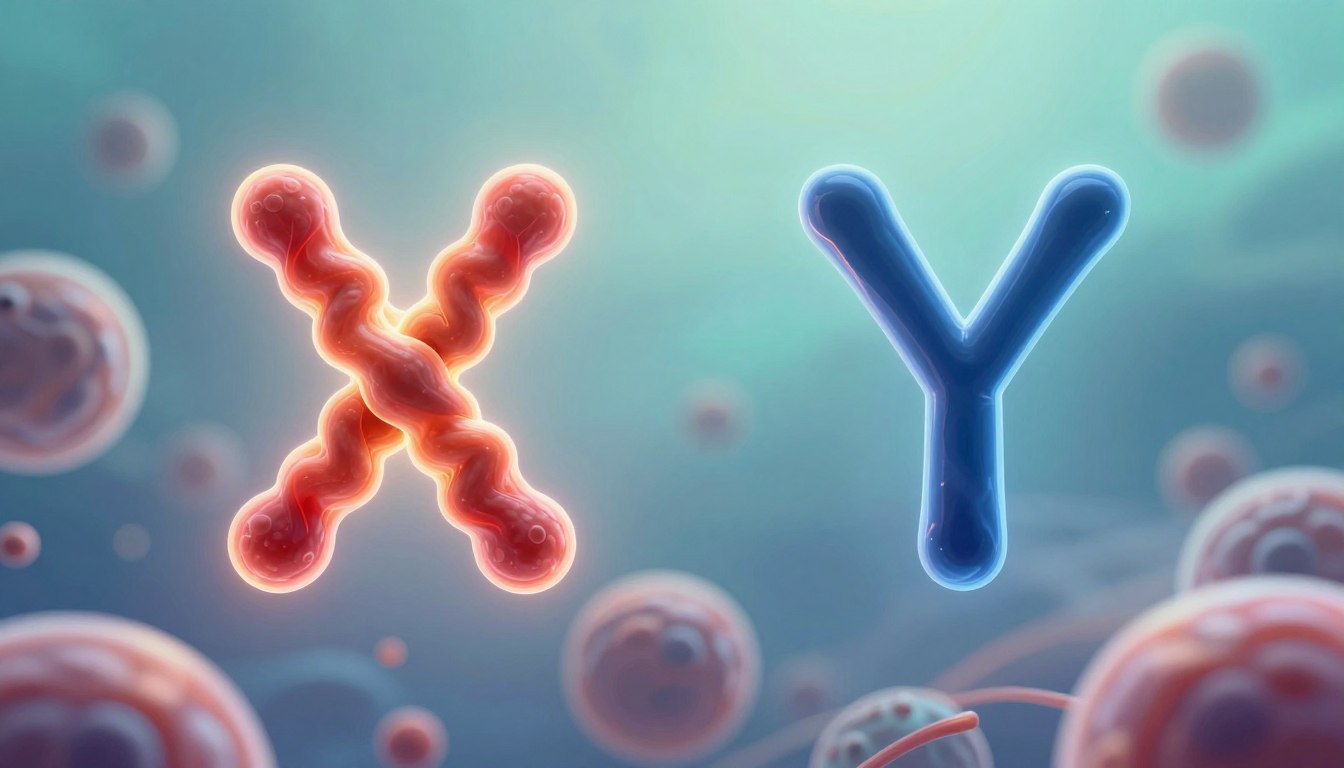
What if everything you thought you knew about “male” and “female” hormones was only half the story? In humans, these powerful chemical messengers, influenced by chromosomes, do much more than guide reproductive development. They influence your entire being throughout life. Testosterone and estrogen work as key regulators in your system, highlighting the sex differences between males and females.
These powerful chemical messengers do much more than guide reproductive development. They influence your entire being throughout life. Testosterone and estrogen work as key regulators in your system.
Your genetic blueprint contains the instructions for these hormones and substances. The chromosomes in every cell determine biological characteristics, including the types of hormones produced. This programming triggers the production of specific chemical signals.
These substances affect brain function, bone density, muscle mass, and cardiovascular well-being, illustrating the sex differences between males and females. They play roles in metabolism, growth patterns, and emotional states. Understanding them provides insight into human biology.
Current research reveals a complex picture of how these chemical messengers operate. They work in all individuals, regardless of biological characteristics. This study helps people appreciate the intricate mechanisms maintaining optimal function.
Key Takeaways
- Testosterone and estrogen serve as primary chemical messengers in the body
- These substances influence far more than reproductive health alone, reflecting the number of differences between males females
- Genetic factors, including chromosomes, determine the production of specific chemical signals
- Current research challenges simplified views of “male” and “female” hormones, highlighting significant sex differences
- Understanding these mechanisms provides insight into overall well-being and cellular function
- These chemical regulators affect brain, bones, muscles, and cardiovascular system, playing a crucial role throughout a person’s entire lifespan
- They play crucial roles throughout a person’s entire lifespan
Overview of Hormones X and Y
Your body operates on a complex chemical language, where two primary messengers, testosterone and estrogen, dictate far more than just reproductive traits. These powerful steroids are crucial for your overall health. Estrogen, produced by the ovaries, plays a significant role in the development of female characteristics, while testosterone influences male traits.
While often linked to males and females respectively, both substances are present in every body at the cellular level. They work together to maintain balance. This interplay affects your brain, bones, and cardiovascular system, which are all influenced by genetic factors such as chromosomes.
An imbalance in these chemical signals can lead to various conditions. These range from metabolic issues to mood changes. Recent studies highlight how understanding their roles is key to appreciating your body’s intricate systems, particularly how chromosomes affect hormone production.
| Chemical Messenger | Primary Associations | Key Systemic Functions |
|---|---|---|
| Testosterone | Development of male reproductive tissues; promotion of secondary sexual characteristics. | Maintains muscle mass, bone density, and influences red blood cell production. |
| Estrogen | Regulation of the female reproductive system and menstrual cycle. | Supports bone health, influences cholesterol levels, and affects skin elasticity. |
These essential compounds influence your daily energy and long-term well-being. Their impact lasts your entire life, shaping everything from growth to cognitive function.
Understanding Hormonal Functions in the Body
The intricate dance of chemical signals within your system governs everything from energy production to physical maturation. These messengers coordinate your body’s complex operations through specialized receptors.

Your cellular communication network ensures proper function across all systems. Receptors on cells receive instructions from endocrine glands like the pituitary and thyroid.
Role in Metabolic Regulation
Your metabolism depends heavily on proper chemical signaling at the cellular level. Testosterone boosts protein synthesis and lean muscle mass development. This increases your basal metabolic rate, as highlighted in recent studies.
Estrogen regulates glucose processing and insulin sensitivity, which are crucial functions encoded in your chromosomes. Both substances work together to maintain metabolic health. Balanced levels keep your energy systems operating optimally.
Impact on Growth and Development
Chemical messengers orchestrate your transformation from childhood through adulthood. They trigger physical changes at precisely timed stages of development, as evidenced by numerous studies on cellular processes and the role of chromosomes.
These substances promote bone elongation during adolescent growth. They eventually signal the closure of growth plates. The impact extends to brain maturation and cognitive function, influencing various cell types involved in these processes.
hormones x and y respectively are: Key Definitions
Clear definitions form the foundation for understanding your body’s complex signaling systems. These chemical messengers operate through precise biological mechanisms that shape your development, as highlighted in numerous studies.
Estrogen serves as the primary female sex hormone. This steroid compound develops mainly in ovaries. Smaller amounts also produce in testes and adrenal glands. It regulates female reproductive traits and secondary characteristics, influencing various cells in the process.
Testosterone represents the key male sex hormone. This androgen steroid generates primarily in testes. Ovaries and adrenal glands create smaller quantities. It drives male sexual development and maintenance, linked to specific chromosome activities.
These definitions connect directly to your sex chromosomes. The Y chromosome carries the SRY gene that initiates testosterone production. This genetic trigger establishes male developmental pathways.
Both substances belong to the steroid family derived from cholesterol. They share similar structures while creating distinct biological effects. Their production involves complex feedback systems that are essential for cellular function.
Your hypothalamus, pituitary gland, and gonads form a regulatory axis. This system maintains balanced hormone levels throughout your life. Understanding these definitions helps you grasp how genes influence your physical traits.
The Genetic Basis of Hormone Production
Your genetic blueprint holds the master code that activates your body’s chemical messengers. This programming begins with specific sequences on your chromosomes. These sequences control when and how your system produces key regulators.


Gene Regulation and Expression
Gene regulation involves turning specific sequences on or off at precise times on your chromosomes. This process controls testosterone production throughout your development. Your body converts genetic information into functional proteins through expression in each cell.
Chemical messengers can influence which genes become active, as highlighted in recent studies. Genes also control how much of these substances your system makes. This creates dynamic feedback loops that maintain balance.
Insights on the SRY Gene
The SRY gene on the Y chromosome acts as the primary switch for male development. Discovered in 1990, this gene triggers testosterone production during early fetal growth. It activates other genes like SOX9 that direct testes formation. Recent studies have highlighted the significance of this chromosome in understanding sex determination.
Without the SRY gene, the developmental pathway typically leads to ovary development. However, the SOX9 gene can sometimes initiate testes formation independently. This explains rare cases where individuals develop male characteristics without the typical SRY sequence.
Peter Goodfellow’s discovery revolutionized understanding of genetic sex determination. The SRY gene’s activation creates a cascade that shapes physical traits and brain architecture.
Sex Determination: The XY System Explained
Your biological sex is determined at the moment of conception by a specific genetic system. This process relies on the combination of sex chromosomes you inherit from your parents. Recent studies highlight the role of these chromosomes in sex determination.
In the XY system, females typically have two X chromosomes (XX). Males usually have one X and one Y chromosome (XY). This chromosomal difference sets the stage for development.
Mechanisms Behind XY Sex Determination
The key mechanisms involve genes on the Y chromosome. The SRY gene acts as a primary trigger for male development. Its presence initiates a cascade of events leading to testes formation.
In the absence of a Y chromosome, the developmental pathway defaults to female. This explains why individuals with XXY or XYY karyotypes are male. Those with a single X chromosome (XO) develop as female.
The presence or absence of the Y chromosome is the pivotal factor in mammalian sex determination.
This system is not unique to humans. It is found in many mammals, some insects like fruit flies, and even the Ginkgo tree.
Comparing XY and Alternative Systems
Nature showcases diverse mechanisms for determining sex. The XY system is just one approach among several. Comparing them reveals fascinating biological diversity.
The ZW system in birds reverses the pattern. Here, females are the heterogametic sex (ZW), and males are homogametic (ZZ).
| System | Found In | Key Determining Factor |
|---|---|---|
| XY System | Humans, most mammals | Presence of Y chromosome |
| ZW System | Birds, many reptiles | Presence of W chromosome in females |
| Temperature-Dependent | Some reptiles, fish | Incubation temperature of eggs |
| Haplo-Diploid | Bees, ants, wasps | Fertilization (diploid=female, haploid=male) |
These variations show that sex determination is not a universal rule. Environmental factors can also play a decisive role for some individuals.
The Role of Sex Steroids in Males and Females
The story of sex steroids begins long before puberty, shaping fundamental biological pathways from the earliest stages of life. These powerful chemical regulators are crucial for development and lifelong health in both males and females.
In the 1930s, scientist Alfred Jost made a pivotal discovery in his study of rabbits. His work showed that testosterone is essential for male reproductive tract formation. This steroid drives the development of structures like the vas deferens during fetal growth, influenced by the Y chromosome.
For females, estrogen is a primary regulator. It controls the menstrual cycle and prepares the body for pregnancy. This steroid also supports bone density and cardiovascular health.
It’s a common misconception that these steroids are exclusive to one sex. Males produce estrogen, which is vital for bone strength and libido. This has been highlighted in various studies. Females produce testosterone, necessary for muscle mass and mood, influenced by their genetic makeup, including the X chromosome.
The levels of these chemical messengers change throughout your life. They peak during young adulthood and gradually shift with age. Maintaining balanced levels is key to your well-being.
| Sex Steroid | Primary Role in Males | Primary Role in Females |
|---|---|---|
| Testosterone | Develops male reproductive system; maintains muscle and bone mass. | Produced in ovaries/adrenals; supports muscle tone, bone density, and libido. |
| Estrogen | Converted from testosterone; essential for bone health and fertility. | Regulates menstrual cycle; maintains uterine lining; supports brain and heart health. |
Understanding these roles helps you see that health is about balance, not exclusion. Proper sex steroid function is integral for everyone.
Hormones and Brain Development
Your brain’s unique architecture is profoundly shaped by chemical messengers long before birth. This process begins in the womb, creating foundational differences in brain structure, as highlighted in various studies.
During the first trimester, a key genetic trigger initiates a flood of androgens. This event primarily influences male fetal development, altering specific neural circuits, according to recent studies.
Estrogen, Testosterone, and Brain Structure
These chemical signals lead to observable variations in regional brain volume, as shown in numerous studies. Females often show slightly larger volumes in the frontal and paralimbic cortex.
These areas are linked to emotional processing and complex decision-making, supported by various studies. Males typically have greater bulk in the amygdala and parietal lobe.
This impacts emotional response and spatial awareness. These structural differences are significant but subtle.
Cellular and Molecular Changes
At a microscopic level, the changes are equally fascinating. Recent studies show that Females demonstrate greater neuron density in language-processing areas.
This cell density extends to the frontal lobe. The molecular landscape also shows key differences.
Brain regions with the highest density of receptors for estrogen and testosterone show the most variation. These cells are primed to respond to these signals, as highlighted in various studies.
This creates circuits that may use different strategies for similar tasks. Different does not mean deficient. Your experiences continue to shape these pathways throughout life.
Hormones as Neurotransmitters and Their Broader Impact
Your brain’s chemical landscape includes messengers that serve dual roles throughout your system. These substances don’t just circulate in blood—they directly communicate between brain cells.
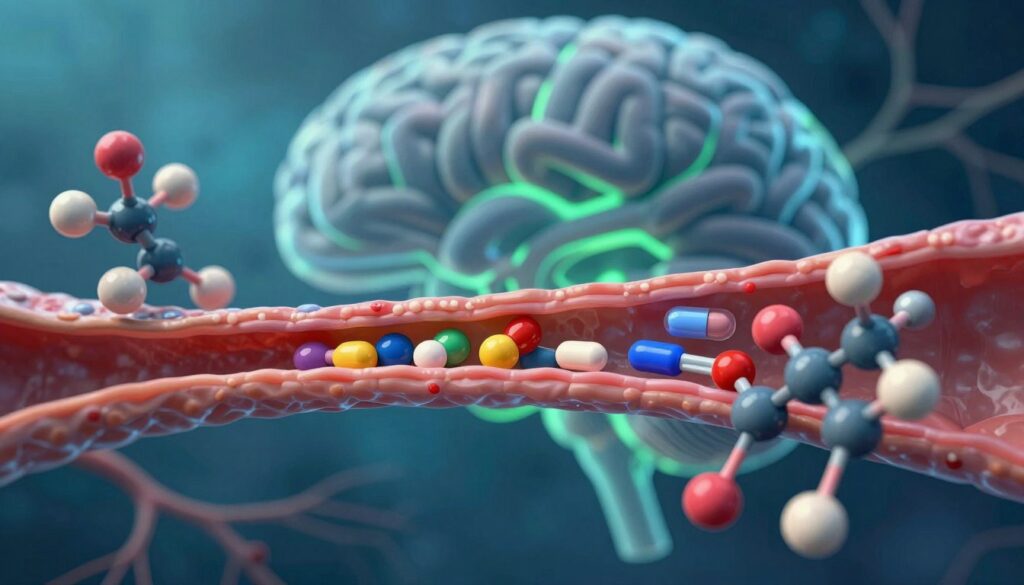
Chemical regulators function as neurotransmitters, affecting how your neural pathways operate. This dual capability explains their widespread influence on mood, memory, and cognition.
Neural Signaling Pathways
Your brain contains receptors for these chemical messengers across multiple regions. This distribution allows them to influence diverse brain functions from emotional processing to motor control, as highlighted in various studies.
Research shows these substances act as “gate openers” at the cellular level. They help traditional neurotransmitters like serotonin and dopamine work more efficiently, according to recent studies.
Estrogen enhances serotonin function, which affects mood regulation. Testosterone influences dopamine pathways, impacting motivation and reward processing, as demonstrated in numerous studies.
Current studies continue to reveal sophisticated mechanisms of hormone-brain interactions. These findings challenge earlier simplistic models of how chemical messengers function in neural circuits.
Mechanisms Influencing Hormonal Expression
Scientists once believed SRY simply activated a male gene cascade, but this model proved incomplete. The current understanding, based on recent study findings, reveals a delicate balance between pro-male and anti-male genes. Small variations in gene dosage can tip this balance toward different developmental pathways.
SRY doesn’t just activate male genes—it primarily inhibits anti-male genes. This represents a major shift in thinking about sex determination mechanisms. The process involves both activation and suppression working together.
Your body uses complex regulatory networks to control hormonal expression. Transcription factors, enhancers, and suppressors fine-tune production levels. These mechanisms ensure precise timing and quantity of chemical messengers.
Environmental factors can influence expression through epigenetic changes. External conditions modify how genes work without altering DNA sequences. This adds another layer to the regulatory process.
Feedback loops between your hypothalamus, pituitary gland, and gonads constantly adjust hormone levels. These systems respond to your body’s current needs and external conditions. Hormonal expression changes throughout your lifespan due to developmental stages and lifestyle factors.
These intricate mechanisms explain why individuals show variation in hormone levels. Even people with the same biological sex can have different expression patterns. This complexity contributes to human diversity in physical and behavioral traits.
The Interplay Between Hormones and Genes
Your genetic code and your chemical messengers engage in a constant, two-way conversation that shapes who you are. This dynamic relationship means that while your genes provide the initial instructions for producing these signals, the signals themselves can turn right around and influence which of your genes become active.
They achieve this through a process called epigenetic modification. This does not alter your fundamental DNA sequence. Instead, it changes how your cells read that sequence.
Epigenetic Influences on Hormonal Activity
Think of epigenetics as a layer of molecular switches attached to your DNA. Your body’s chemical regulators can flip these switches on or off. This process, known as gene expression, is highly responsive to your environment.
Key research shows that sex steroids trigger mechanisms like DNA methylation. These changes can be long-lasting, especially during critical windows of development like fetal growth or puberty.
Your life experiences—from diet to stress—interact with these chemical signals. This interaction creates unique epigenetic signatures. It helps explain why individuals with similar genetic backgrounds can show such variation.
The field of research is rapidly advancing. Scientists now see this interplay as far more fluid than once believed. These changes offer exciting potential for understanding health and disease.
Biological Sex Differences and Hormone Levels
Physical and cognitive traits show fascinating variations between the sexes. These sex differences stem from distinct levels of chemical regulators in your system.
Adult males typically have testosterone concentrations 10-20 times higher than females. Females maintain elevated estrogen levels during reproductive years. These hormonal differences contribute to variations in muscle mass and fat distribution.
Brain structure also shows measurable sex differences. Different neural circuits develop in each sex. These variations represent compensatory mechanisms rather than superiority.
Both sexes often achieve similar performance levels in cognitive tasks. They may use different brain regions and strategies for spatial reasoning. Individual variation within each sex frequently exceeds average differences between sexes.
Medical research recognizes how hormones influence disease susceptibility. This understanding helps develop personalized treatments for different individuals. Biological factors interact with social and cultural elements to create human diversity.
Influences of Environmental and Maternal Factors on Hormones
Your body’s chemical balance begins forming under influences you might not expect. External conditions and maternal health work together from conception onward. These factors create lasting changes in your system.
Impact of Maternal Influences
Maternal effects start before pregnancy even occurs. A father’s hormone levels can affect sperm characteristics. The timing of conception during the cycle also matters greatly.
Research shows that maternal stress during pregnancy alters fetal development. This exposure can result in long-term health implications. The baby’s brain structure and stress response systems may show changes.

The zona pellucida surrounding eggs acts as a biological filter. This structure may respond to maternal chemical signals. It selectively controls which sperm successfully enter.
External and Lifestyle Factors
Environmental factors significantly influence your chemical messengers. Nutrition, toxins, and endocrine disruptors create noticeable effects. These elements impact both mother and developing child.
Your lifestyle choices directly affect hormone function throughout life. Diet, exercise, and sleep quality are key factors. Proper stress management supports optimal health.
Chemical disruptors can mimic or block natural hormone activity. This interference may result in developmental or metabolic issues. Understanding these influences helps you make informed choices.
Evolutionary Perspectives on Hormones and Sex
Nature’s laboratory has experimented with countless ways to define biological sex across the tree of life. This evolution has produced a stunning array of systems. Your own XY system is just one successful strategy among many.
Molecular research reveals a fascinating pattern. The XY mechanism did not evolve just once. It appeared independently in mammals, insects like fruit flies, and even the Ginkgo tree.
This independent development happened a remarkable number of times. Studies suggest it evolved in over 175 unique plant families alone. This convergent evolution points to a significant advantage.
- XY System: Common in mammals, determined by a specific chromosome.
- ZW System: Found in birds, where females have different chromosomes.
- Temperature-Dependent: Used by some reptiles and fish.
- Haplo-Diploid: Seen in bees and ants, based on fertilization.
These differences result from varied environmental pressures. The diversity shows there is no single “correct” way for species to determine sex. Research into these differences helps explain why chemical regulators are so similar across species.
Integrative Studies on Hormone Research
Modern scientific inquiry increasingly bridges disciplines to build a complete picture of chemical messengers. This integrative approach combines genetics, neuroscience, and endocrinology. It provides a deeper understanding of their roles in your body.
A significant shift occurred in 2014. The National Institutes of Health enacted a new policy. It required scientists to consider biological sex as a key variable in their research.

This change addressed a long-standing bias. Many earlier studies used only male animal models. The new policy helps close critical knowledge gaps in health outcomes for all individuals.
Integrative studies now examine effects from molecules to behavior. They use models like fruit flies and mice. This reveals connections to Alzheimer’s disease and immune function.
Brain research benefits greatly from this approach. It explores how chemical signals create neural circuit differences. This study area explains varying rates of psychiatric conditions.
| Research Focus | Key Models Used | Primary Health Insight |
|---|---|---|
| Reproduction & Aging | Fruit flies, rodents | Hormonal influence on lifespan and disease susceptibility |
| Brain Development | Mice, clinical imaging | Neural basis for sex differences in cognition and mood |
| Clinical Applications | Human trials, cell cultures | Personalized treatments for hormone-related conditions |
The future of this research lies in connecting genes to lifelong health. Cross-disciplinary studies promise more effective, personalized medical care for you.
Advancements in Hormonal Research and Sex-Differentiation Studies
Recent scientific breakthroughs reveal that maintaining your biological sex requires constant genetic activity throughout life. This new understanding challenges long-held assumptions about sexual development.
Cutting-edge research continues to revolutionize our understanding of sex determination. These studies show the process is far more dynamic than previously believed.
Latest Breakthroughs in Understanding SRY and Beyond
The SRY gene typically triggers testes development from undifferentiated gonads. However, recent studies show alternative pathways exist.
In some cases, the SOX9 gene can induce testes formation without SRY. This explains rare instances of sex reversal.
Even more groundbreaking research focuses on ovaries. A pro-female gene called FOXL2 actively maintains ovarian tissue. This study reveals that ovary preservation isn’t passive.
“We take it for granted that we maintain the sex we are born with, including whether we have testes or ovaries. But this work shows that the activity of a single gene, FOXL2, is all that prevents adult ovary cells turning into cells found in testes.”
These findings demonstrate that sex differentiation involves ongoing genetic battles. Your biological sex requires continuous regulation rather than being permanently fixed.
Advanced genomic technologies enable detailed research into gonads development. Scientists identify additional genes beyond SRY, SOX9, and FOXL2.
This research has profound implications for understanding disorders of sex development. It also challenges simplistic binary thinking about biological sex.
Conclusion
The comprehensive picture that emerges from understanding testosterone and estrogen challenges many long-held assumptions about biological sex. These powerful chemical messengers operate throughout your entire body, influencing everything from brain function to metabolic health.
Your journey through this exploration reveals that both substances are present in all people, regardless of biological characteristics. This understanding empowers you to make informed decisions about your personal well-being.
Research continues to uncover new types of interactions between these chemical regulators and your genetic makeup. The final result is a more nuanced view of human biology that benefits all people.
As we reach the end of this discussion, remember that balanced chemical levels contribute significantly to overall health. This knowledge helps create better outcomes for everyone.