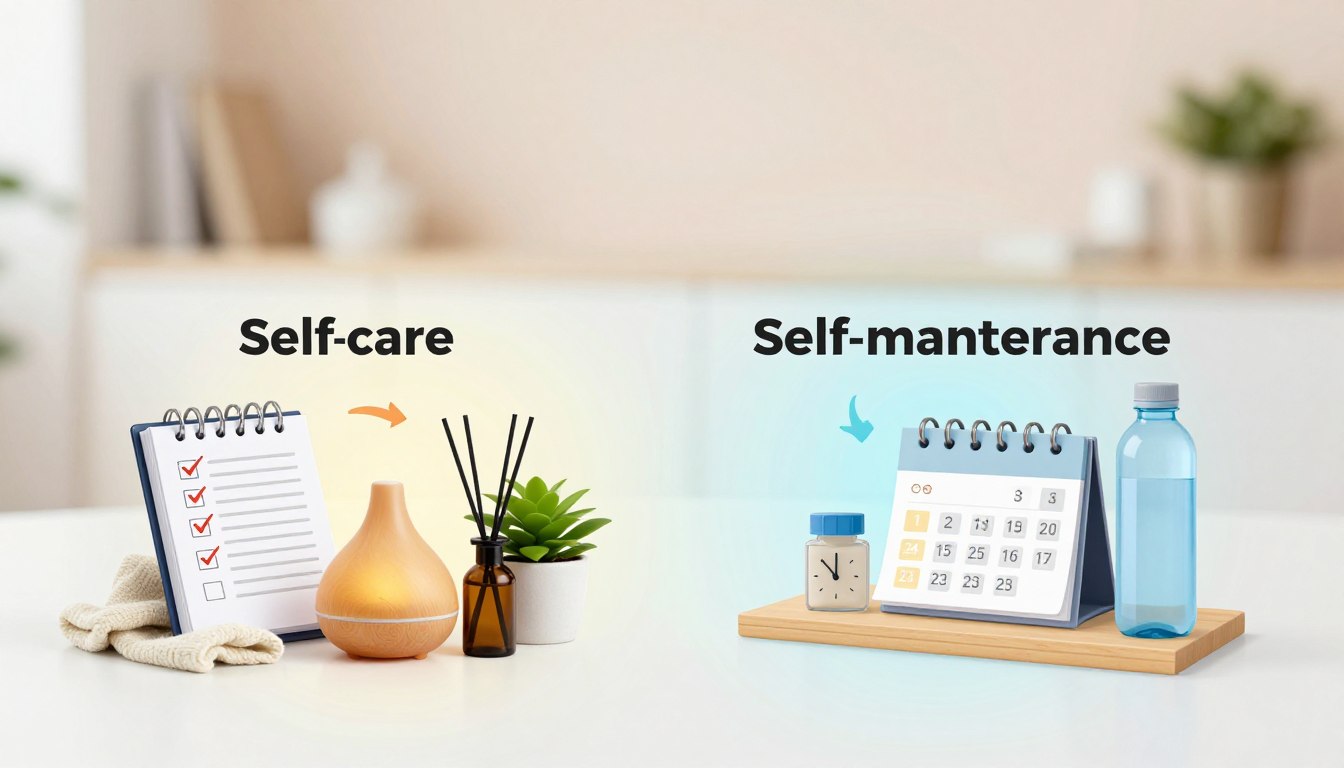
Have you ever wondered why some wellness routines leave you feeling refreshed while others just add to your to-do list? The answer might lie in understanding a crucial distinction that transforms how you approach your personal well-being.
Many people use these terms interchangeably, but they represent fundamentally different approaches to personal health. Recognizing this difference can help you build more effective routines that actually support your lifestyle rather than overwhelm it.
This guide will help you identify which approach aligns with your current needs and long-term goals. You’ll discover practical strategies that create lasting positive changes without adding complexity to your busy schedule.
The comparison reveals how you can shift from viewing wellness as an occasional luxury to recognizing it as essential daily practice. By the end, you’ll have a clear framework for building personalized routines that truly support your overall well-being.
Key Takeaways
- Understand the fundamental distinction between two approaches to personal wellness
- Learn how to identify which method suits your current lifestyle and needs
- Discover practical strategies for implementing sustainable health practices
- Recognize how to shift wellness from occasional luxury to daily essential
- Build personalized routines that support well-being without overwhelming complexity
- Gain insights for creating lasting positive changes in physical and mental health
Introduction: Redefining Well-Being in Modern Times
Modern wellness culture presents a confusing array of buzzwords that often obscure rather than clarify what truly supports your health. The language around personal well-being has been heavily influenced by commercial interests.
Breaking Down the Buzzwords
Social media and influencers constantly promote wellness as a luxury rather than a fundamental need. This messaging creates pressure to purchase products instead of developing sustainable habits.
The wellness industry generates billions annually by commercializing authentic concepts. What began as radical self-preservation has become a market-driven phenomenon.

Why Self-Care Has Evolved into Self Maintenance
Audre Lorde originally framed self-care as political warfare and community preservation. Her vision emphasized survival and resistance, not consumer purchases.
Today’s approach shifts focus from occasional indulgence to consistent upkeep. This evolution makes wellness more accessible and integrated into daily life.
| Traditional Approach | Modern Interpretation | Key Difference |
|---|---|---|
| Community-focused preservation | Individual consumer purchases | Shift from collective to personal |
| Political resistance tool | Market-driven luxury | Purpose transformation |
| Survival necessity | Optional enhancement | Priority level change |
| Free practices | Product-dependent | Accessibility impact |
Understanding this historical context helps you recognize which approach serves your actual needs. The right method supports your well-being without corporate influence.
Self Care vs Self Maintenance: Understanding the Difference
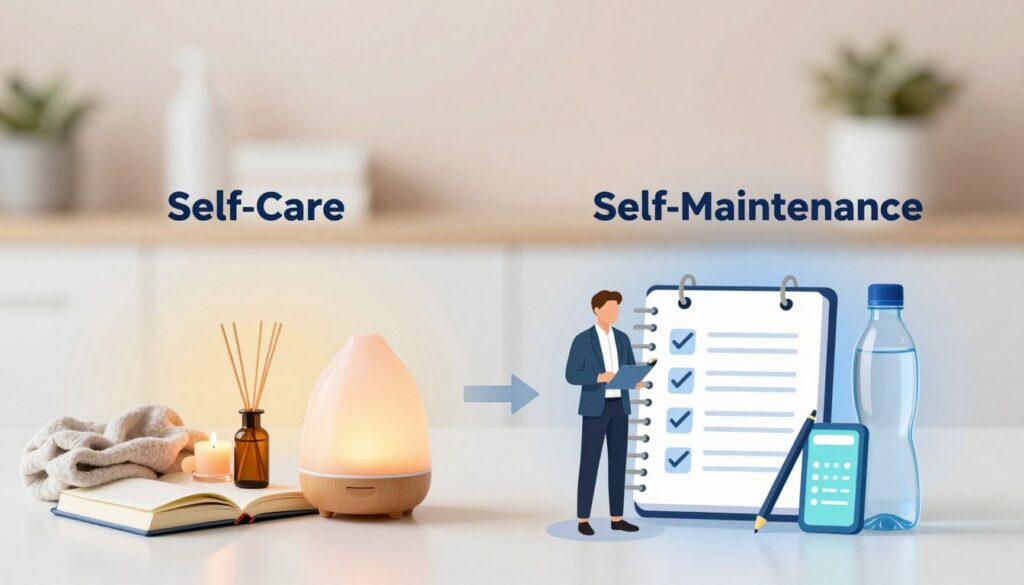
Your approach to personal well-being can either feel like a rewarding treat or an essential daily practice. This distinction shapes how you prioritize your health and allocate your precious time.

What Self Care Traditionally Means
Traditional wellness often involves special activities you schedule when life slows down. These might include spa visits, shopping trips, or weekend getaways.
This conventional way positions health as a reward rather than a requirement. You might postpone basic needs until you feel you’ve earned a break.
“Wellness becomes a luxury rather than a fundamental part of your day.”
How Self Maintenance Offers a Practical Approach
The maintenance mindset treats personal upkeep like routine vehicle care. In reality, you wouldn’t skip changing your car’s oil, so why neglect essential health activities? This thing of prioritizing self-care is crucial.
This perspective recognizes that certain things must happen every day. Proper nutrition, hydration, and stress management become non-negotiable.
| Aspect | Traditional View | Maintenance Approach |
|---|---|---|
| Frequency | Occasional indulgence | Daily necessity |
| Priority Level | When time permits | Built into schedule |
| Mindset | Reward-based | Preventive care |
| Long-term Impact | Temporary relief | Sustainable health |
Understanding this difference empowers you to make choices that support lasting well-being. The right approach prevents problems before they escalate.
Creating Daily Rituals for Optimal Health
What if your daily routine could automatically support your well-being without constant decision-making? Establishing consistent patterns transforms health from something you do into something you live.

These rituals create a foundation that supports both physical and mental needs. They become automatic, reducing the mental energy required for basic well-being.
Establishing Consistent Meal Times and Sleep Routines
Your body thrives on predictability. Setting regular meal times stabilizes energy levels throughout the day.
Try these simple strategies:
- Set phone reminders for two main meals each day
- Prepare breakfast items the night before
- Create visual cues like placing a water bottle on your desk
Sleep quality directly impacts your next day’s performance. A consistent bedtime routine signals to your mind that rest is coming.
Limit screen time one hour before bed. Replace it with calming activities like journaling or gentle stretching. This transition period improves both sleep duration and quality.
Incorporating Creative and Restorative Activities
Beyond physical needs, your creative spirit requires regular exercise. Make a list of ten activities that bring you genuine joy.
Schedule these pursuits like important appointments. This ensures they happen consistently rather than waiting for “free time” that never arrives.
These daily rituals work together synergistically. Proper nutrition fuels creative energy, while good sleep supports healthy eating patterns. The result is a self-reinforcing cycle of well-being.
Prioritizing Relationships and Mental Resilience
Your connections with others form the bedrock of your emotional well-being. Strong relationships provide essential support during challenging times.
They help buffer against stress and create meaningful engagement in your life.

Maintaining Social Connections in a Digital Age
Technology offers new ways to sustain important relationships. Schedule regular video calls with friends who live far away.
Join online book clubs or fitness groups to combine social interaction with personal interests. These activities create natural touchpoints.
Identify which relationships genuinely energize you. Invest your time in people who provide mutual support and understanding.
Strategies for Managing Stress and Anxiety
Your mental health requires consistent attention like physical fitness. Notice early signs of stress before they escalate.
Develop practical coping mechanisms for daily challenges. This might include breathing exercises or short walking breaks.
Professional support plays a crucial role in maintaining emotional balance. Regular therapy sessions provide structured guidance.
Being honest about your needs helps prevent more serious conditions. This proactive approach builds lasting resilience.
Balancing Work, Life, and Personal Self Preservation
How do you prevent your daily responsibilities from consuming all your energy and attention? Effective balance requires putting your fundamental needs first. This approach transforms how you manage your time and protect your well-being.

Applying the Big Rocks Concept to Your Schedule
Dr. Stephen Covey’s jar metaphor offers a powerful visual for prioritizing your life. Imagine your day as a container that holds both essential rocks and smaller pebbles.
The rocks represent non-negotiable activities that support your health and happiness. These include quality sleep, nutritious meals, movement, and meaningful connections.
Pebbles symbolize less critical tasks like social media scrolling or excessive television. When you schedule rocks first, you naturally create space for everything else.
| Priority Level | Rocks (Essential) | Pebbles (Optional) |
|---|---|---|
| High Impact | Sleep, exercise, family time | Entertainment, browsing |
| Schedule Order | First in your day | After rocks are placed |
| Well-being Effect | Prevents burnout | Adds enjoyment |
Techniques to Prevent Burnout and Support Overall Health
Protecting your energy requires conscious daily choices. Recognize that productivity culture often values output over personal well-being, which can lead to feelings of depression. Taking care of your basic needs, like brushing teeth and other essential things, is crucial before tackling work demands. This prevents the exhaustion cycle that leads to burnout.
Take care of your basic needs before tackling work demands. This prevents the exhaustion cycle that leads to burnout.
“True self-preservation means making the conscious choice not to build a life you need to regularly escape from.”
Your health enables you to handle work and life demands effectively. Honor your body’s need for rest and nourishment each day.
This practical approach creates sustainable well-being without overwhelming your schedule. You build resilience through consistent, mindful choices.
Conclusion
What does genuine well-being look like when the Instagram filters come off? True support for your mental health often involves the unglamorous activities of daily life. In reality, it requires that you take care of yourself through these small yet impactful actions.
It means brushing your teeth on hard days. It is choosing to read a book instead of scrolling. These simple ways of caring for your mind build a strong foundation, which is the most important thing.
You deserve both consistency and joy. A relaxing bath has its place, just like ensuring you eat. The real meaning is finding a way to thrive, not just survive.
This approach allows you to better support others. By answering these questions for yourself, you create a life of sustainable well-being. The goal is integration, not a choice between two things.
Self Care 5 in 1 Facial Serum Reviews for Your Skincare
Self Care 5 in 1 Facial Cleansing Mousse: Simplify Your Skincare Routine
Self Care 5 in 1 Facial Toner: Your Ultimate Skincare Solution
Self Care 5 in 1 Facial Serum : Your Ultimate Skincare Solution