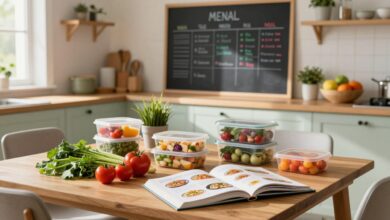
Delicious Meal Plan Recipes for Weight Loss
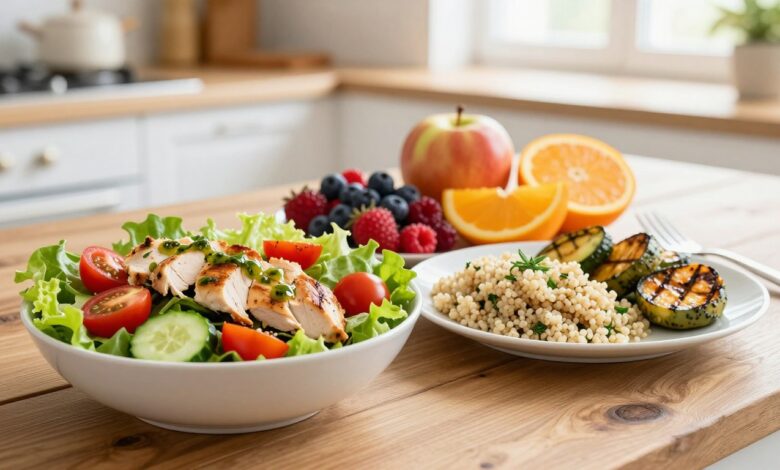
What if you could reach a healthy weight without the constant battle of hunger and cravings?
Many traditional approaches to managing your body focus on severe limits. They often ignore long-term wellness. This Meal Plan Recipes for Weight Loss guide offers a different path.
We believe in a sustainable strategy. It’s built on enjoying wholesome, satisfying foods like a cup of fresh fruit, including banana. The right balance of nutrients keeps your energy high while managing calories.
This isn’t about another short-term diet. It’s about transforming your relationship with food. A clear structure provides freedom, not restriction.
You will discover how to build enjoyable daily eating habits. These habits support your goals and your overall health. Let’s move beyond quick fixes to a method that works for life.
Key Takeaways
- Sustainable success comes from satisfaction, not starvation.
- Effective strategies balance vital nutrition with calorie awareness.
- Long-term wellness is the core goal, not just short-term results.
- A structured approach to eating provides clarity and reduces stress.
- Wholesome, delicious foods are the foundation of lasting change.
- This guide provides practical ideas and samples for real-world application.
Why Meal Plans Are a Powerful Tool for Weight Loss
When you know what you’re eating ahead of time, such as a cup of banana, you remove the daily struggle of decision-making. This clarity transforms your approach to nourishment from reactive to proactive. A structured strategy provides the framework where healthy choices become automatic.
The real power lies in consistency. Your body thrives on predictable patterns. These patterns regulate your internal systems and support your wellness goals.
The Science Behind Structured Eating
Your body operates on biological rhythms. Consistent timing and composition of your nourishment, such as a cup of balanced nutrients, regulate key hormones like ghrelin and leptin. These hormones control hunger signals.
Stabilizing your blood sugar is another critical benefit. When you eat at regular intervals with balanced nutrients, you avoid spikes and crashes. This prevents the urge to overeat later in the day.
Distributing protein evenly across your day is particularly effective. Research indicates that higher protein intake can lead to greater reduction in visceral fat. This is the dangerous fat stored around your organs.
Each eating occasion becomes an opportunity to support your metabolism. This systematic method works better than sporadic dieting for sustainable results. It addresses the root causes of overconsumption.
Benefits Beyond the Scale: Energy, Time, and Stress Reduction
Decision fatigue is a real mental drain. Making constant choices about what to eat consumes willpower. Having a pre-determined strategy saves this mental energy for other important tasks.
You gain back precious hours each week. Advance preparation means less daily cooking time. You also avoid those last-minute, often less healthy, food decisions.
Reduced stress around nourishment choices leads to better adherence. When you’re not constantly wondering “what’s for dinner,” you feel more in control. This confidence strengthens your ability to maintain healthy patterns.
Your energy levels become more stable throughout the day. Consistent nutrient intake prevents those afternoon crashes. You maintain better focus and productivity.
Over time, these eating routines become automatic. They require less conscious effort and willpower. Tools like swap options and dynamic grocery lists, similar to those in established programs, simplify the process further.
The psychological benefit is significant. Having a clear roadmap increases your confidence. You trust your ability to make choices that support your long-term wellness.
Key Components of an Effective Weight Loss Meal Plan
The foundation of any effective eating strategy lies in specific nutritional components, such as a cup of vegetables, and smart planning. These elements work together to create satisfaction while supporting your body composition goals.
Understanding these principles helps you build a sustainable approach. You’ll learn to nourish your body effectively with a cup of nutritious foods without feeling deprived.
Focus on Satiety: The Role of Protein and Fiber
Protein plays a critical role in helping you feel full. Adequate intake preserves lean muscle mass while promoting fat reduction.
Your body burns more calories digesting protein compared to other nutrients. This gives your metabolism a helpful boost throughout the day.
Fiber slows digestion and stabilizes blood sugar levels. It promotes gut health during your body composition journey.
Research shows effective approaches provide at least 86 grams of protein daily. They also include 31 grams of fiber to enhance fullness.
Specific fibers like inulin offer particular benefits. You find it in garlic, onion, artichokes, wheat, oats, and legumes.
This soluble fiber has been studied for reducing visceral fat. That’s the dangerous fat stored around your organs.
Smart Calorie Management for Sustainable Results
Creating a modest deficit leads to better long-term outcomes than drastic restriction. The Mayo Clinic Diet focuses on getting enough right foods rather than counting.
This philosophy prevents rebound eating that often follows extreme approaches. You learn to prioritize nutrient density over mere numbers.
Portion control becomes easier with visual cues. A serving of protein should match your palm size, while a cup of vegetables should fit comfortably in your hand.
A cup of vegetables or fruit fits in your hand. Starchy carbohydrates like rice should match your fist.
Regular eating timing maintains steady energy levels. It also helps control hunger signals throughout your day.
Staying hydrated supports your body’s natural processes. Water helps with digestion and can prevent mistaken thirst for hunger.
| Nutrition Component | Daily Target | Primary Benefits | Common Food Sources |
|---|---|---|---|
| Protein | 86+ grams | Preserves muscle, enhances satiety, boosts metabolism | Chicken, eggs, yogurt, beans, fish |
| Fiber | 31+ grams | Slows digestion, stabilizes blood sugar, supports gut health | Vegetables, fruits, oats, legumes, whole grains |
| Healthy Fats | 20-35% of calories | Nutrient absorption, hormone production, sustained energy | Olive oil, avocado, nuts, seeds |
| Complex Carbohydrates | 45-65% of calories | Primary energy source, fiber content, nutrient delivery | Whole grains, sweet potatoes, beans, fruits |
| Hydration | 8-10 cups fluid | Digestion support, appetite regulation, metabolic function | Water, herbal tea, broth, water-rich foods |
Incorporating Whole Foods and Flavor
Whole, minimally processed foods maximize nutrient density and help manage calorie intake. Aim for a cup of vegetables in each meal.
Flavor-enhancing techniques make healthy eating enjoyable. Fresh herbs, spices, and garlic transform simple ingredients into delightful dishes.
Healthy fats like olive oil add richness and help absorb nutrients, contributing to satisfaction in moderation, like a tablespoon per cup of salad.
Balancing macronutrients provides energy and fullness. Each meal should include protein, smart carbohydrates, and beneficial fats for a balanced plate.
Reading nutrition labels helps you make informed choices. Focus on ingredient lists and serving sizes, often in cups.
Look for shorter lists with recognizable items and check fiber content, aiming for at least 3 grams of fiber per cup.
This approach addresses all aspects of successful nourishment, building habits that support immediate goals and lifelong wellness.
Exploring Different Styles of Weight Loss Meal Plans
Different eating styles offer varied paths to the same destination: sustainable wellness and body composition goals. Professional nutritionists have developed multiple frameworks to suit diverse preferences and needs.
Each approach follows core principles of balanced nourishment. They differ in their specific focus and food selections.
Simple & Time-Saving Plans
Busy schedules demand efficient solutions. The Simple framework uses ready-prepped ingredients and 15-minute dishes.
This approach minimizes daily cooking time. It includes a gluten-free option for those with sensitivities.
The Healthy Keto style emphasizes beneficial fats from avocado, nuts, and seeds. It keeps net carbohydrates around 50 grams daily.
Both methods suit people with limited time for kitchen work. They prioritize straightforward preparation without complex techniques.
Mediterranean and Heart-Healthy Plans
Mediterranean-style eating focuses on heart-healthy fats. Extra virgin olive oil, fish, nuts, and legumes form its foundation.
This pattern includes unlimited vegetables and fruits. It’s naturally plant-based with moderate fish consumption.
The Heart Smart Superfoods approach aligns with DASH principles. It’s packed with cardio-protective, anti-inflammatory foods.
Both frameworks support cardiovascular wellness. They emphasize whole, minimally processed ingredients.
Higher Protein Plans for Appetite Control
Higher Protein strategies distribute this nutrient evenly across your day. This controls hunger signals and supports muscle maintenance.
The GLP-1 Support framework is designed for members using specific medications. It features increased protein with lower-volume portions.
The “Original” method follows the classic DASH-style framework from The Mayo Clinic Diet book. It provides a balanced, time-tested structure.
These approaches help manage appetite effectively. They prevent energy crashes between eating occasions.
Plant-Based and Vegetarian Options
Vegetarian patterns deliver hunger-busting protein from diverse sources. Beans, soy products, eggs, and dairy provide essential amino acids.
This lacto-ovo approach excludes meat and fish. It includes all other animal products like milk and cheese.
Plant-forward eating can be both satisfying and nutritious. It emphasizes fiber-rich legumes and whole grains.
These options work well for ethical, environmental, or taste preferences. They prove you don’t need meat for adequate protein intake.
| Plan Name | Key Focus | Prep Style | Best For |
|---|---|---|---|
| Simple | Time efficiency, 15-minute meals, gluten-free option | Quick assembly, minimal cooking | Busy professionals, families on tight schedules |
| Healthy Keto | Healthy fats, ~50g net carbs | Moderate prep, focus on fats | Those seeking low-carb approaches |
| Mediterranean | Heart-healthy fats, plant-based with fish | Fresh ingredients, simple cooking | Cardiovascular health, long-term wellness |
| Heart Smart Superfoods | DASH-aligned, anti-inflammatory foods | Nutrient-dense ingredients | Blood pressure management, inflammation reduction |
| Vegetarian | Lacto-ovo, plant protein sources | Versatile cooking, meat alternatives | Non-meat eaters, environmental concerns |
| Higher Protein | Even protein distribution, appetite control | Protein-focused meals | Muscle maintenance, hunger management |
| The “Original” | Classic DASH-style framework | Traditional meal preparation | Those preferring established, research-backed methods |
| GLP-1 Support | Higher protein, lower-volume portions | Modified portions, protein emphasis | Individuals using weight-management medications |
Preparation styles range from batch-cook-friendly to family-friendly dishes. Some involve cooking larger quantities for the week ahead.
Others feature straightforward assembly each day. Consider your available time and kitchen confidence.
Matching plan characteristics with personal goals creates sustainable success. Your tastes, schedule, and health objectives should guide selection.
A framework that fits your life is one you’ll maintain long-term. This consistency drives real, lasting results.
How to Choose the Right Meal Plan for Your Lifestyle
Your journey toward better wellness deserves a personalized roadmap. The best eating pattern considers your unique circumstances, preferences, and objectives. Let’s explore how to identify the optimal fit.
Assessing Your Goals, Tastes, and Schedule
Begin by clarifying your primary objective. Are you focused on reducing visceral fat or overall body composition? Some prioritize specific health metrics like blood pressure.
Your taste preferences matter. An enjoyable eating strategy is one you’ll maintain. Consider foods you love and any aversions.
Do you adore creamy yogurt with fresh fruit? Maybe you prefer savory eggs with tomatoes and peppers. Your lunch might be a hearty soup or a crisp salad.
For dinner, consider whether you favor chicken, beans, or seafood. These preferences should guide your selection.
Your weekly schedule needs honest evaluation. How much time can you dedicate to food preparation each day? Do you have time for advance cooking on weekends?
Family needs also influence your choice. You might need to prepare multiple serving sizes. Some approaches include family-friendly adjustments.
A structured approach like The Mayo Clinic Diet offers valuable tools. It helps you navigate these considerations systematically.
The Importance of Flexibility and Swapping Meals
Rigid eating patterns lead to abandonment. Sustainable strategies build adaptability, addressing real-life changes.
Modern programs include swap options. Don’t enjoy a dish? Exchange it for something similar in nutrition profile. Have restrictions? Find alternatives.
Favorites libraries let you save dishes for quick reuse, building a collection of go-to foods.
Dynamic grocery lists update when you swap, reflecting what you need and preventing waste.
Portion sliders accommodate sizes, increasing servings for families or scaling down for solo eating.
Monitor your body’s response during the first week. Note energy levels and hunger.
Assess satisfaction after each meal. Do you feel full? These observations inform adjustments.
Switching between different plans should be seamless. Quality programs allow unlimited changes without resetting progress.
Consider rotating your approach seasonally. Summer might favor lighter dishes with fresh vegetables, while winter emphasizes heartier soups.
This alignment with fresh-produce availability enhances enjoyment and prevents fatigue.
Start with an approach matching your primary goal—lower carbs, plant-based, or higher protein. Follow it for a full week while tracking responses.
Because switching is unlimited and doesn’t reset progress, you can pivot quickly, finding a better fit without losing data.
Your 7-Day Sample Meal Plan for Weight Loss
A clear, actionable example can transform theory into lasting practice. This seven-day framework provides a tangible starting point for your wellness journey.
It’s designed at 1,500 calories per day. Each day delivers a minimum of 86 grams of protein and 31 grams of fiber.
This combination promotes deep satisfaction. It also supports your body’s natural processes during a calorie deficit.
Weekly Overview: Calories, Macros, and Meal Prep Tips
The 1,500-calorie target creates a modest, sustainable deficit. This approach prioritizes nutrient density over severe restriction.
Hitting the protein and fiber goals is crucial. These nutrients are key players in managing hunger and preserving metabolism.
The macronutrient balance is approximately 30% protein, 40% smart carbohydrates, and 30% healthy fats. This distribution provides steady energy.
It helps avoid the crashes that lead to poor food choices. Every recipe requires 30 minutes or less of active cooking.
This makes the entire week manageable for beginners. A major focus is reducing visceral fat.
This is the dangerous fat stored around your organs. The calorie level and high-protein, high-fiber design directly support this goal.
| Day | Breakfast | Lunch | Dinner | Snack |
|---|---|---|---|---|
| Day 1 | Egg, Tomato & Feta Pita | Chickpea Tuna Salad | Balsamic Chicken Thighs | Apple with Almond Butter |
| Day 2 | Lemon-Poppyseed Oats | Creamy Turkey Soup | Maple-Mustard Salmon | Greek Yogurt |
| Day 3 | Lemon-Poppyseed Oats | Creamy Turkey Soup | Chicken & Rice Casserole | Pear & Cheese |
| Day 4 | Egg, Tomato & Feta Pita | Chickpea Tuna Salad | Rotisserie Chicken Casserole | Carrot Sticks & Hummus |
| Day 5 | Chocolate-Strawberry Shake | High-Protein Cucumber Sandwich | Mini Meatloaves | Handful of Walnuts |
| Day 6 | Chocolate-Strawberry Shake | High-Protein Cucumber Sandwich | Blackened Shrimp Tacos | Banana |
| Day 7 | Lemon-Poppyseed Oats | Leftover Soup or Salad | Chickpea-Farro Bowl | Dark Chocolate Square |
Use this framework as a flexible template. The repeating lunches and breakfasts are intentional.
They streamline prep and reduce decision fatigue. Swap a recipe for another with similar nutrition.
Smart shopping starts with a list. Group items by category: produce, proteins, pantry staples.
Check cabinets first to avoid duplicates. Preparing components in advance saves time.
Cook chicken or soup in batches. Chop vegetables for the week. Assemble overnight oats.
For different calorie needs, adjustments are simple. To reach 1,800 calories, add one extra snack or larger portions.
A 2,000-calorie target might include an extra serving of healthy fats or complex carbs at dinner. Never drop below 1,200 calories without medical guidance.
Extreme restriction harms metabolism and is unsustainable. The following days provide detailed breakdowns of each delicious option.
Day 1: Kickstarting Your Week
Day one introduces balanced eating that satisfies while supporting your goals. This initial 24-hour period delivers exceptional flavor alongside targeted nutrition.
You’ll enjoy delicious combinations designed to keep hunger at bay. Each option requires minimal preparation time.
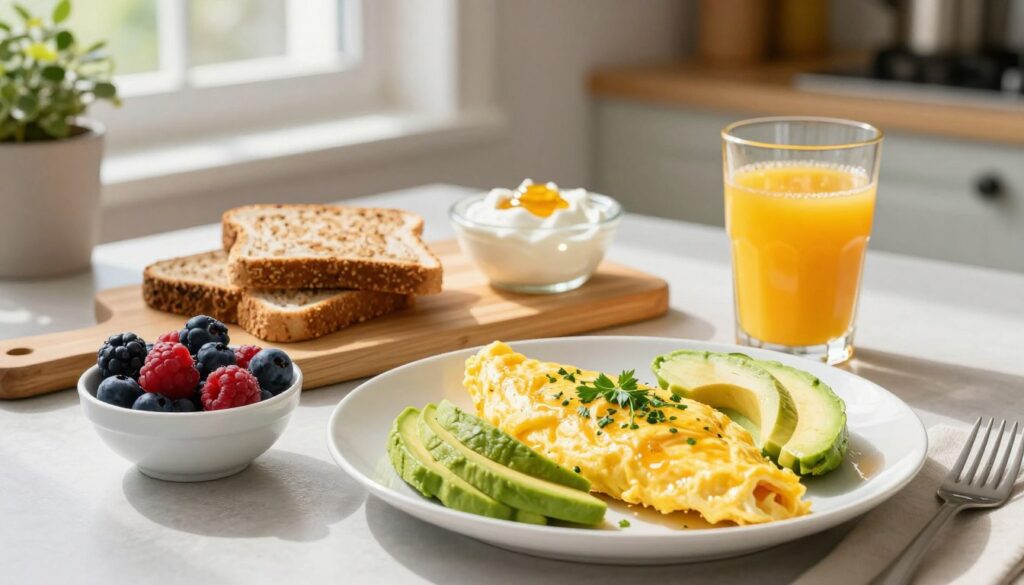
Breakfast: Egg, Tomato & Feta Breakfast Pita
Start your morning with 368 calories of savory satisfaction. This breakfast combines scrambled eggs with fresh tomatoes and crumbled feta cheese.
Whole-wheat pita provides complex carbohydrates for sustained energy. The protein from eggs helps control appetite throughout the morning.
Preparation tip: Scramble your eggs in a non-stick pan with a spray of oil. Warm the pita briefly for better texture.
For a dairy-free version, substitute nutritional yeast for feta. Add spinach or mushrooms for extra vegetables.
Lunch: Chickpea Tuna Salad with Orange
Your midday meal offers 388 calories of protein-packed goodness. Canned tuna provides lean protein while chickpeas add plant-based protein and fiber.
The accompanying medium orange delivers vitamin C and natural sweetness. This combination prevents afternoon energy crashes.
Mix tuna with chopped celery, red onion, and a light vinaigrette. Serve over mixed greens for added volume.
Substitution idea: Use canned salmon or cooked chicken instead of tuna. Replace chickpeas with white beans if preferred.
Dinner: Balsamic Chicken Thighs with Arugula Salad
Evening brings 377 calories of tender chicken with peppery greens. Bone-in, skin-on thighs stay juicy during cooking.
A simple balsamic glaze adds depth without excess sugar. The arugula-tomato salad uses a light olive oil dressing.
Season chicken with garlic powder, salt, and pepper before baking. Toss arugula with cherry tomatoes just before serving.
For a quicker option, use boneless, skinless breasts. Cook time reduces to about 20 minutes.
Complete Nutritional Breakdown
Day one totals 1,507 calories with excellent macronutrient balance. You get 98 grams of protein to support muscle retention.
The day provides 168 grams of carbohydrates and 31 grams of fiber. This keeps your digestive system functioning optimally.
Total fat is 57 grams, primarily from healthy sources. Sodium stays reasonable at 1,672 milligrams.
| Eating Occasion | Calories | Protein | Key Nutrients |
|---|---|---|---|
| Breakfast | 368 | 18g | Calcium, Vitamin C |
| Lunch | 388 | 32g | Fiber, Omega-3s |
| Dinner | 377 | 28g | Iron, Vitamin A |
| Snacks | 375 | 20g | Calcium, Antioxidants |
Smart Snack Selections
Your two snacks add 375 calories of nutritious satisfaction. First, enjoy 1 cup of low-fat plain Greek yogurt.
Top it with 1 cup of raspberries and a spoonful of chia seed jam. This provides probiotics and antioxidants.
Later, have a large pear for additional fiber. This fruit helps manage hunger between meals.
Portion guidance: Measure yogurt and berries using standard cup measures. Choose pears that fit comfortably in your hand.
Flavor Profile and Satisfaction
This day demonstrates how varied and delicious healthy eating can be. You experience savory, tangy, and sweet flavors.
Texture variety includes creamy, crunchy, and juicy elements. Each recipe uses whole foods with minimal processing.
The combination creates lasting fullness without calorie overload. You finish the day feeling nourished rather than restricted.
This approach supports sustainable weight management. It focuses on nutrition density rather than deprivation.
Remember: Day one establishes positive momentum. Follow the portion sizes closely for best results.
Day 2 & 3: Building Routine with Make-Ahead Meals
Consistency transforms healthy choices into automatic habits. These days focus on dishes you can prepare in advance, saving precious time each morning and evening.
The intentional repetition of certain options reduces mental load. You concentrate your energy on enjoying nourishing food rather than constantly planning it.
Breakfast: Lemon-Poppyseed Overnight Oats
Your morning begins with 359 calories of zesty, creamy satisfaction. Combine rolled oats with milk, lemon zest, poppy seeds, and a touch of honey in a jar.
Refrigerate overnight for a ready-to-eat breakfast. The oats soften and absorb the flavors while you sleep.
This method requires zero morning cooking time. Simply grab your jar from the refrigerator.
Preparation tip: Use Greek yogurt instead of some milk for extra protein. Add chia seeds for additional fiber and thickness.
For variety, try different citrus zests like orange or lime. Fresh berries make a vibrant topping when you’re ready to eat.
Lunch: Creamy Turkey & Vegetable Soup
Your midday nourishment delivers 384 calories of comforting warmth. Lean ground turkey provides high-quality protein in a rich, broth-based soup.
Multiple vegetable servings come from carrots, celery, and onions. These aromatics create a flavorful foundation.
A splash of milk or a dollop of plain yogurt adds creaminess without heavy calories. The accompanying cup of blackberries offers antioxidants.
Batch cooking advantage: This soup tastes even better the next day. Make a double or triple batch for effortless lunches throughout your week.
Freeze individual portions in airtight containers. Reheat gently on the stove or in the microwave.
Dinner: Maple-Mustard Salmon and Chicken & Rice Casserole
Evening offers two protein sources to prevent menu fatigue, delivering exceptional flavor with minimal cooking.
The Maple-Mustard Salmon features omega-3 rich fish with a sweet-tangy glaze made from maple syrup, Dijon mustard, and apple cider vinegar.
Brush this over salmon fillets before roasting. Serve with roasted asparagus or broccoli for complete nutrition.
This dish provides 503 calories of high-quality protein and healthy fats supporting heart and brain health.
The Rotisserie Chicken, Mushroom & Rice Casserole uses pre-cooked poultry for efficiency. Combine shredded chicken with brown rice, sautéed mushrooms, and a light sauce.
Bake until golden. This comforting option delivers 378 calories with satisfying flavors.
Time-saving strategy: Use store-bought rotisserie chicken or cook extra earlier in the week. Prepare the casserole assembly-line style while your salmon roasts.
| Nutrition Component | Day 2 Totals | Day 3 Totals | Consistent Targets |
|---|---|---|---|
| Calories | 1,484 | 1,499 | ~1,500 range |
| Protein | 88g | 88g | 86g+ daily |
| Carbohydrates | 170g | 176g | Steady energy supply |
| Fiber | 31g | 31g | 31g+ for fullness |
| Fat | 51g | 54g | Primarily healthy sources |
| Sodium | 1,527mg | 1,734mg | Within recommended limits |
Both days hit crucial protein and fiber targets, regulating hunger and supporting metabolism.
Repetition of overnight oats and turkey soup simplifies your routine, mastering these dishes through practice.
Batch cooking makes these options true time-savers. Prepare multiple servings of soup and casserole on weekends.
Portion into containers for grab-and-go convenience. Label each with contents and date.
The variety of salmon and chicken dinners keeps taste buds engaged, offering different textures and flavors while maintaining balance.
Salmon provides omega-3s; chicken offers lean protein for muscle maintenance.
Smart Snack Selections
White Bean-Stuffed Mini Bell Peppers combine plant protein and vegetables in one portable bite. Mash canned white beans with herbs, lemon juice, and a drizzle of olive oil.
Spoon this mixture into halved mini bell peppers. These colorful snacks provide approximately 80 calories each.
Pair them with a large apple for additional fiber. The natural sweetness satisfies cravings for something sweet.
This snack combination totals 116 calories on Day 2. It delivers both crunch and creaminess for textural satisfaction.
Storage and Reheating Guidance
Proper handling maintains food safety and quality. Cool cooked dishes completely before refrigerating or freezing.
Store soup and casserole in airtight containers for up to four days. Freeze for longer storage up to three months.
Reheat soup on the stove over medium heat, stirring occasionally. Add a splash of broth or water if it thickens too much.
Reheat casserole in the oven at 350°F until warmed through. Cover with foil to prevent excessive browning.
Overnight oats keep for up to five days in the refrigerator. Stir well before eating as ingredients may separate.
These make-ahead strategies turn healthy eating into a streamlined process. You build a reliable routine that supports your goals without daily struggle.
Day 4 & 5: Keeping Variety High
Building momentum with familiar favorites reduces mental effort while maintaining nutritional excellence. These middle days of your schedule demonstrate smart efficiency. You enjoy delicious repeats alongside exciting new dinner options.
This balanced approach keeps your taste buds engaged. It also streamlines preparation and grocery shopping. You maintain excellent nutrition without daily kitchen marathons.
Repeating Favorites for Efficiency
Strategic repetition in your eating schedule helps. Lemon-Poppyseed Overnight Oats for breakfast ensure consistency without cooking time.
The Creamy Turkey & Vegetable Soup for lunch offers lean protein and veggies, benefiting from batch cooking.
Repeating dishes cuts decision fatigue, conserving mental energy.
Grocery shopping is easier with fewer ingredients. Buy larger amounts of oats, turkey, and soup veggies to save costs.
Keep repeated dishes interesting with tweaks. Change toppings on your overnight oats each morning, like berries or nuts.
Vary your soup with garnishes. Fresh herbs or lemon can change the flavor, preventing boredom.
Dinner: Rotisserie Chicken Casserole and Mini Meatloaves
Evening meals offer comforting, protein-rich satisfaction, minimizing cooking time. Enjoy hearty flavors without lengthy sessions.
The Rotisserie Chicken Casserole uses pre-cooked protein. Combine shredded chicken, brown rice, and mushrooms with a light sauce before baking.
This dish delivers about 378 calories per serving, providing satisfying flavors for the family and easy portion control.
Mini Meatloaves & Veggies represent portion perfection. These entrées bake quickly, with lean meat, oats, and seasonings.
This option provides 455 calories and great protein. Roasted vegetables add fiber and nutrients, allowing for batch preparation.
Vegetable variety prevents monotony. Day 4 features roasted broccoli; Day 5 includes bell peppers and zucchini.
Different preparation methods keep your palate interested. Try roasting, steaming, or sautéing your sides with herbs and spices.
| Nutritional Component | Day 4 Totals | Day 5 Totals | Key Benefits |
|---|---|---|---|
| Calories | 1,481 | 1,491 | Consistent modest deficit |
| Protein | 86g | 95g | Muscle preservation, enhanced satiety |
| Carbohydrates | 177g | 147g | Steady energy supply |
| Fiber | 32g | 31g | Digestive health, appetite control |
| Fat | 52g | 61g | Primarily healthy sources |
| Sodium | 1,571mg | 1,475mg | Within recommended limits |
The calorie range maintains consistency while allowing variation. Day 5’s higher protein (95g) from meatloaves supports muscle maintenance.
Batch preparation of mini meatloaves saves cooking time. Form portions on a baking sheet and freeze before storage.
When ready, bake frozen loaves directly, adding 10-15 minutes to cooking time for quick, protein-packed dinners.
Smart snacks complement these days’ nutrition. Day 4 has carrot sticks with hummus for fiber and plant-based protein.
Day 5 includes walnuts for omega-3s, supporting heart health. Pair with fruit for balanced snacking.
Snacks should address hunger between meals and provide missing nutrients. Think of them as nutritional bridges.
These days show that efficiency and variety can coexist beautifully, reducing decision fatigue while enjoying diverse flavors. This balanced approach supports long-term adherence to your eating schedule.
Day 6 & 7: Flavorful Finishes
The last stretch of your schedule delivers exceptional flavor alongside impressive nutritional achievements. These closing days showcase creative combinations that feel like culinary adventures.
You’ll experience the highest protein and fiber totals of your entire week. This demonstrates how delicious eating supports your body composition goals.
Breakfast: Chocolate-Strawberry Protein Shake
Start your morning with 228 calories of creamy indulgence. This shake blends rich chocolate with sweet strawberries for a treat-like experience.
It provides substantial protein to control morning hunger. The preparation requires just two minutes with a standard blender.
Blending technique: Combine unsweetened almond milk with a scoop of chocolate protein powder. Add frozen strawberries and a handful of spinach for extra nutrients.
Blend until completely smooth. For a thicker texture, use less milk or add ice cubes.
Ingredient alternatives: Use Greek yogurt instead of protein powder for similar protein content. Substitute mixed berries when strawberries aren’t in season.
Lunch: High-Protein Cucumber Sandwich
Your midday option offers 407 calories of refreshing satisfaction. This isn’t your ordinary sandwich—it features innovative construction for maximum crunch.
Thick cucumber slices replace traditional bread. They provide hydration and crisp texture with minimal calories.
The filling combines whipped cottage cheese with fresh herbs and lemon zest. This creates a creamy, protein-rich spread that clings perfectly to the cucumber.
Accompany your sandwich with one cup of sweet cherries. This fruit adds natural sweetness and additional fiber.
Assembly tip: Pat cucumber slices dry with a paper towel before building. This prevents the sandwich from becoming soggy.
Layer the cheese mixture between two substantial cucumber rounds. Add thin tomato slices or sprouts for extra texture.
Dinner: Blackened Shrimp Tacos and Chickpea-Farro Bowl
Evening brings two culinary experiences. Both options deliver restaurant-quality flavor with home simplicity.
The Blackened Shrimp Tacos feature spicy seafood in a light format. Each taco provides 424 calories of satisfaction.
Proper technique: Pat shrimp dry before seasoning. This ensures the spice blend adheres during cooking.
Use a hot skillet with a teaspoon of olive oil. Cook shrimp for 90 seconds per side until charred.
The pineapple coleslaw adds sweet contrast. Shred cabbage and carrots, then toss with pineapple and lime juice.
Serve in corn tortillas with cilantro. This creates a balanced dinner with protein and vegetables.
The Chickpea-Farro Bowl represents Mediterranean inspiration. This 538-calorie option combines chickpeas with farro.
Optimal assembly: Start with farro as your base. Add seasoned chickpeas for protein.
Top with diced tomatoes, cucumber, and feta cheese. Drizzle with lemon-garlic dressing before serving.
This layering preserves textures and flavors. Each bite delivers creamy, crunchy, and chewy elements.
| Nutritional Component | Day 6 Totals | Day 7 Totals | Weekly Significance |
|---|---|---|---|
| Calories | 1,517 | 1,517 | Consistent energy provision |
| Protein | 103g | 96g | Highest protein day of week |
| Carbohydrates | 183g | 211g | Steady fuel for activity |
| Fiber | 38g | 43g | Highest fiber days of week |
| Fat | 48g | 39g | Primarily healthy sources |
| Sodium | 1,484mg | 1,424mg | Within healthy limits |
Day 6 achieves the highest protein content of your entire schedule. The 103 grams support muscle preservation during your body composition journey.
Day 7 delivers exceptional fiber at 43 grams. This comes primarily from the grain bowl’s chickpeas, farro, and abundant vegetables.
Both days maintain the 1,517-calorie target for consistent energy. They prove that nutrient-dense eating doesn’t require calorie extremes.
These flavorful finishes demonstrate exciting variety within a structured framework. You experience different cuisines and preparation methods.
The week concludes with evidence that healthy eating can be genuinely enjoyable. Creative combinations make nutritious choices feel like discoveries rather than restrictions.
This approach supports long-term adherence to your wellness objectives. When food tastes this good, maintaining your schedule becomes a pleasure.
Smart Snacking Strategies to Curb Cravings
Your between-meal choices can either support or sabotage your daily nutritional targets. Strategic snacking bridges gaps between main eating occasions. It keeps hunger at bay and maintains steady energy.
This approach prevents the extreme hunger that leads to poor food decisions later. Well-planned snacks are essential tools for managing appetite. They help you stay on track with your wellness objectives.
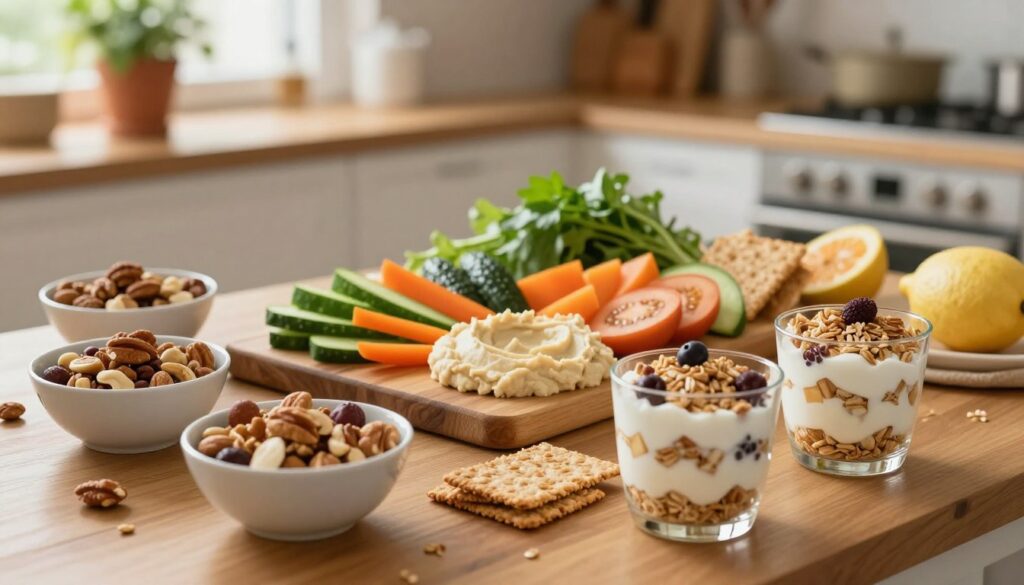
Smart snacking transforms potential weak points into nourishment opportunities. It’s about choosing nutrient-dense options that satisfy. These choices complement your larger meals throughout the day.
Nutritious Snack Ideas from the Sample Plan
The sample schedule includes satisfying between-meal options that provide balanced nutrition to keep you full, combining protein, fiber, and healthy fats.
Greek yogurt with berries offers creamy texture and sweetness. One cup of low-fat yogurt with raspberries has 244 calories; add chia seed jam for fiber and omega-3s.
Fresh fruit like pears and apples provides satisfaction. A large pear has 131 calories with fiber, while an apple offers 116 calories with natural sugars.
Vegetable snacks add volume with few calories. White Bean-Stuffed Mini Bell Peppers combine plant protein and crunch, ideal for afternoon hunger.
Cottage cheese options provide high-quality protein. The Snack Jar with Fruit blends cheese with berries, while another version includes tomatoes and cucumbers.
Dylan Dreyer’s Orange-Mango Smoothie delivers tropical flavor, refreshing for warm days or recovery. These examples show creative snacking.
| Snack Option | Approximate Calories | Key Nutrients | Best Time | Preparation Tip |
|---|---|---|---|---|
| Greek Yogurt with Raspberries | 244 | Protein, calcium, antioxidants | Mid-afternoon | Prep jars in advance for grab-and-go |
| Large Pear | 131 | Fiber, vitamin C, potassium | Late morning | Choose firm pears that ripen during the week |
| White Bean-Stuffed Peppers | ~80 each | Plant protein, fiber, vitamin C | Pre-dinner | Make filling batch; stuff peppers daily |
| Cottage Cheese with Blackberries | 140 | Protein, calcium, antioxidants | Post-workout | Use single-serve containers for portion control |
| Orange-Mango Smoothie | ~180 | Vitamin C, potassium, hydration | Morning or snack | Freeze fruit in portions for quick blending |
| Apple with Almond Butter | ~200 | Fiber, healthy fats, protein | Afternoon | Pre-slice apple; portion nut butter separately |
Protein-rich snacks promote lasting satiety better than carbohydrate-only options. Cottage cheese and Greek yogurt provide casein protein. This digests slowly, keeping you full for hours.
Plant-based proteins like white beans offer similar benefits. They’re excellent for those avoiding dairy products. Combining protein with fiber creates the most satisfying snacks.
Portion Control and Timing Your Snacks
Proper timing maximizes energy and minimizes hunger. Mid-morning snacks at 10:30 AM prevent overeating, while afternoon options at 3:30 PM aid focus.
Pre-workout snacks fuel activity; post-activity options help recovery. Listen to your body’s hunger signals instead of eating by the clock.
Portion control ensures snacks complement meals. A balanced snack has 150-250 calories, including protein, fiber, or healthy fats.
Visual cues help estimate amounts. A serving of yogurt or cottage cheese should match your fist, while fruit portions fit in your hand.
Nut butters and oils need teaspoon measurements for accuracy. Pre-portioning prevents overconsumption.
Customization keeps snacks interesting. Swap berries for seasonal fruits or cottage cheese for yogurt.
Planning snacks is as vital as meals. Include them on your grocery list.
Create snack “kits” with pre-portioned ingredients for busy days. Assemble yogurt parfaits in jars.
Hydration helps manage cravings; thirst can feel like hunger. Drinking water before snacking clarifies true hunger.
Broth-based soups are satisfying snacks, providing hydration.
Reading nutrition labels is crucial. Check for hidden sugars and avoid high sodium products.
Remember: Smart snacking supports rather than hinders your progress. It keeps metabolism active and prevents extreme hunger.
How to Adjust Your Meal Plan for Different Calorie Needs
Your body’s energy requirements are as unique as your fingerprint, requiring personalized adjustments to any eating framework. The 1,500-calorie sample provides an excellent foundation, but your individual needs may differ.
Activity level, age, metabolism, and health status all influence your optimal intake. Learning to customize your approach ensures you get enough fuel without excess.
Simple Modifications for 1,800 and 2,000 Calories
Increasing your daily intake from 1,500 to higher targets involves strategic additions. Focus on nutrient-dense foods that enhance satisfaction.
For an 1,800-calorie target, add items to your existing structure to maintain protein, fiber, and healthy fats.
Using Day 1 as an example, include 1 cup of low-fat plain kefir with breakfast for probiotics and protein.
Add 1 serving of Avocado Toast to your evening meal with whole-grain bread and avocado.
For a 2,000-calorie target, include ¾ cup of low-fat plain kefir in the morning.
Add the same Avocado Toast to dinner, then include 1 serving of Cottage Cheese Snack Jar with Fruit as an evening snack.
This approach increases calories while preserving quality. Maintain your protein and fiber targets with added foods.
Kefir and cottage cheese boost protein intake naturally. Avocado provides healthy fats.
Adjust portion sizes systematically rather than randomly adding extra foods. Consider these general guidelines for different calorie levels:
| Calorie Target | Breakfast Addition | Dinner Addition | Snack Addition | Total Protein Impact |
|---|---|---|---|---|
| 1,800 calories | 1 cup low-fat kefir (+110 cal, 11g protein) | Avocado Toast (+220 cal, 8g protein) | None | +19g protein |
| 2,000 calories | ¾ cup low-fat kefir (+80 cal, 8g protein) | Avocado Toast (+220 cal, 8g protein) | Cottage Cheese Snack Jar (+140 cal, 14g protein) | +30g protein |
Use your eating schedule as a flexible template for customization. The structure remains consistent while specific components adapt to your needs.
Calorie-dense, nutrient-rich foods work best for increases. These options provide maximum nutrition per calorie consumed.
Excellent choices include:
- Nuts and seeds: Almonds, walnuts, chia seeds, and flaxseeds
- Healthy fats: Avocado, olive oil, and nut butters
- Full-fat dairy: Greek yogurt, cheese, and kefir
- Whole grains: Quinoa, brown rice, and whole-grain bread
- Legumes: Beans, lentils, and chickpeas
Your metabolic rate determines your personal maintenance versus reduction ranges. Most adults maintain weight at 1,800-2,400 calories daily.
A modest 300-500 calorie deficit typically supports gradual, sustainable progress. Extreme reductions often backfire metabolically.
Why Extreme Calorie Restriction Isn’t Recommended
Severely limiting your intake to very low levels creates multiple problems. Nutritional inadequacy heads the list of concerns.
The 2020-2025 Dietary Guidelines for Americans provides clear guidance on this issue. It states that limiting calories to 1,200 per day is too low for most people.
Very low-calorie diets rarely provide sufficient nutrients to meet daily requirements and are generally unsustainable for long-term health.
This evidence-based position reflects decades of research. Your body needs adequate fuel to function.
Extreme restriction leads to nutrient deficiencies, missing essential vitamins and minerals.
Sustainability is a critical concern; most can’t maintain very low intake long-term.
This approach triggers rebound eating; lost progress often reverses quickly.
Metabolic adaptation occurs with severe restriction, slowing various processes.
This slowdown complicates future progress and can persist after returning to normal eating.
Muscle loss is likely with inadequate protein and calories; preserving lean tissue needs sufficient energy.
Consult healthcare professionals when changing intake, especially with existing conditions.
A registered dietitian can help determine your optimal calorie range, considering your health and lifestyle.
Your physician can assess how changes affect medications or conditions, ensuring safety and effectiveness.
Remember, sustainable progress beats rapid results; gradual adjustments yield lasting benefits.
Your journey toward better wellness deserves a thoughtful, personalized approach. Customizing your calorie intake represents one crucial piece of this puzzle.
Essential Meal Prep Tips for Busy Weeks
Investing a few hours upfront can save countless minutes of stress and indecision throughout your busy days. A strategic preparation session transforms your weekly approach to nourishment from reactive to proactive.
This systematic method creates freedom in your daily routine. You spend less mental energy deciding what to eat each morning and evening.
Organized advance work ensures you always have healthy options ready. This consistency supports your wellness objectives without daily kitchen marathons.
The Mayo Clinic Diet includes helpful features for this process. Printable guides, swap tools, and auto-generated grocery lists simplify planning.
Favorites libraries let you save preferred dishes for quick reuse. These digital tools complement your physical preparation efforts beautifully.
Batch Cooking Soups and Proteins
Batch cooking represents the most efficient use of your kitchen time. Preparing larger quantities of key components provides multiple future eating occasions.
Start with hearty soups like Creamy Turkey & Vegetable Soup. This comforting option delivers lean protein and multiple vegetable servings in one pot.
Double or triple the recipe during your weekend cooking session. Portion the finished soup into individual containers for grab-and-go convenience.
Protein preparation follows similar principles. Cook chicken breasts or thighs in larger batches for use throughout your week.
Roast salmon fillets with simple seasonings like lemon and dill. These cooked proteins become building blocks for quick assemblies.
Plant-based options like beans and lentils also batch beautifully. Prepare a pot of black beans or chickpeas for salads and bowls.
Modern kitchen tools streamline this process. Slow cookers and instant pots need minimal attention.
Sheet pans roast vegetables and proteins together, creating flavors with easy cleanup.
Proper storage keeps food fresh. Cool items before refrigerating or freezing.
Use airtight containers for portion control. Glass jars suit soups and sauces.
Label containers with contents and dates to ensure rotation and reduce waste.
Create an efficient workflow to save time. Designate stations for chopping, cooking, and packaging.
Involve family to share the workload. Children can wash veggies or assemble jars.
This approach teaches healthy habits while lightening your load. Everyone gains kitchen skills.
| Batch Cooking Item | Preparation Method | Storage Duration | Best Use For | Time Saving Per Use |
|---|---|---|---|---|
| Creamy Turkey Soup | Stovetop simmer, 45 minutes | 4 days refrigerated, 3 months frozen | Quick lunches, emergency dinners | 15 minutes daily |
| Roasted Chicken Breasts | Oven bake, 25 minutes | 5 days refrigerated | Salads, sandwiches, casseroles | 20 minutes per meal |
| Lemon-Dill Salmon | Sheet pan roast, 18 minutes | 3 days refrigerated | Dinner entrées, grain bowls | 15 minutes per meal |
| Black Beans from Dry | Instant pot, 45 minutes unsoaked | 5 days refrigerated, 6 months frozen | Burritos, soups, side dishes | 10 minutes per use |
| Chopped Mirepoix (onions, carrots, celery) | Food processor, 10 minutes | 7 days refrigerated | Soup bases, sauté starters | 5 minutes per recipe |
| Cooked Brown Rice | Rice cooker, 45 minutes | 6 days refrigerated | Grain bowls, side dishes, casseroles | 20 minutes per use |
Prepping Overnight Oats and Chop-and-Store Veggies
Morning efficiency starts with overnight oats, needing no cooking time when rushed.
Combine rolled oats with milk or yogurt, adding flavorings like lemon zest.
Refrigerate for at least four hours or overnight to absorb liquid.
Create multiple jars for the week for grab-and-go breakfast.
Wash and chop vegetables in one session.
Carrots, celery, bell peppers, and onions can be cut based on use.
Dice onions for soups, slice bell peppers for stir-fries, julienne carrots for salads.
Store veggies in airtight containers; line with paper towels.
Leafy greens need drying; root vegetables benefit from water.
Herbs last longer in water with bags covering leaves.
Portion vegetables for convenience, eliminating daily prep.
Your components become building blocks for quick meals. Toss pre-chopped veggies into omelets or salads.
Combine cooked protein with veggies for quick stir-fries.
Time savings add up; what took 30 minutes now takes 10.
This efficiency frees mental space for other activities, reducing kitchen stress while ensuring nutrition.
These strategies suit any eating approach, adapting to various preferences.
Consistency in your routine is key. Dedicate time for preparation each weekend.
Start with one batch-cooked item and one prepped component, expanding as you get comfortable.
Your future self will thank you during busy evenings. Healthy choices become easy with planning.
Creating a Budget-Friendly Grocery List
Strategic grocery shopping transforms healthy eating from an expensive challenge into an affordable reality. Many people worry that nourishing their body well will strain their wallet. The truth reveals a different financial picture.
Recent analysis from The Mayo Clinic Diet shows interesting spending patterns. Members reported spending about $249 more each month on fruits, vegetables, and groceries.
They simultaneously saved $317 monthly by cutting back on takeout, snacks, and sugary drinks. This creates a net positive impact on your overall food budget.
Your approach to the supermarket matters tremendously. A thoughtful list based on your eating strategy prevents impulse purchases.
It also dramatically reduces food waste throughout your week. Let’s explore how to build this cost-effective system.
Prioritizing Seasonal Produce and Affordable Proteins
Seasonal fruits and vegetables offer better flavor and lower prices, as they travel shorter distances, cutting costs.
Summer brings tomatoes, zucchini, and berries; autumn offers squash and apples.
Winter features citrus and kale, while spring has asparagus.
Align your menu with what’s plentiful to reduce your produce bill.
Affordable protein sources like eggs provide high-quality protein for less.
Canned tuna and beans offer convenient protein options.
Less expensive cuts of meat work well in slow-cooked dishes.
Buying in bulk for staples offers better value. Compare unit prices for savings.
Supermarket circulars guide purchases; plan menus around sales.
Store brands often match national brands in quality at lower prices.
Reducing Food Waste with Your Plan
Menu design minimizes waste. Choose dishes with common components.
If you need bell peppers for Monday’s stir-fry, use the rest in Wednesday’s salad. Plan another dish for half an onion.
This ensures everything gets utilized, turning leftovers into planned meals.
Reuse of leftovers stretches your budget. Last night’s chicken becomes today’s sandwich.
Extra soup freezes for busy evenings. Cooked grains like rice form the base for bowls.
Proper storage extends freshness. Different vegetables need specific handling.
Leafy greens stay crisp with paper towels. Herbs thrive like fresh flowers in water.
Root vegetables prefer cool, dark places. Tomatoes shouldn’t be refrigerated until ripe.
| Produce Type | Optimal Storage Method | Average Shelf Life | Cost-Saving Tip |
|---|---|---|---|
| Leafy Greens (spinach, kale) | Refrigerator in airtight container with paper towel | 5-7 days | Buy whole heads instead of pre-washed bags |
| Berries (strawberries, blueberries) | Refrigerator unwashed in original container | 3-5 days | Freeze extras before they spoil |
| Root Vegetables (carrots, potatoes) | Cool, dark place in breathable bag | 2-4 weeks | Purchase in larger bags for better value |
| Citrus Fruits (oranges, lemons) | Room temperature or refrigerator crisper | 1-2 weeks | Buy in season for lowest prices |
| Fresh Herbs (cilantro, parsley) | Trim stems, place in water, cover with plastic | 7-10 days | Grow your own on a windowsill |
Frozen and canned options are great when fresh isn’t practical. Frozen veggies often have similar nutrition to fresh.
They’re frozen at peak ripeness, preserving vitamins. Canned beans, tomatoes, and fish are convenient with long shelf life.
Choose low-sodium versions and BPA-free lining. Rinse canned beans to cut sodium further.
Cutting back on restaurant meals saves money. Many households spend heavily on food away from home.
Cooking more at home shifts funds to better ingredients, giving control over portions and nutrition.
Processed snacks can drain budgets. Swap them for homemade options like roasted chickpeas or yogurt with fruit.
This approach works well. Grocery spending may rise slightly, but overall food costs drop.
You improve your health while saving money. This makes sustainable eating accessible for all.
Start with one change on your next shopping trip. Build from there as you gain confidence in your budget system.
Adapting Meal Plan Recipes for Your Family
Involving your entire household in nutritious eating builds supportive habits and teaches valuable lessons about balanced nourishment. Your personal wellness journey becomes a shared experience with simple, thoughtful adjustments. Everyone can enjoy delicious dishes while supporting their health.
The Mayo Clinic Diet includes helpful tools for family adaptation. Portion sliders let you increase servings for multiple people instantly. You can mix and match dishes if someone dislikes a particular option.
Feel free to repeat a favorite dish in your weekly schedule. Browse other options for additional inspiration when needed. When making swaps, choose dishes with similar nutrition profiles.

Easy Ways to Increase Servings
Scaling individual portions for family dining requires systematic adjustments. Start by identifying the base serving size in your chosen framework. Multiply ingredients proportionally while maintaining balance.
Use visual cues for different household members. Adults might need a palm-sized protein portion. Children often require slightly smaller amounts based on age.
Batch cooking becomes especially efficient for families. Prepare larger quantities of soups, casseroles, and proteins. Store leftovers properly for quick future assemblies.
Create a “family modifications” table for your weekly schedule. Note which dishes need adjustment and how. This planning prevents last-minute scrambling during busy evenings.
Consider using divided plates or serving platters for shared dining. This presentation encourages trying new foods together. Everyone samples from the same colorful array.
| Sample Dish | Individual Portion | Family of 4 Adjustment | Key Modification Notes |
|---|---|---|---|
| Balsamic Chicken Thighs | 1 thigh + salad | 4 thighs, double salad ingredients | Cook thighs together on sheet pan; prepare dressing separately |
| Creamy Turkey Soup | 1.5 cups | 6 cups (double recipe) | Use larger pot; add extra vegetables for volume |
| Chickpea-Farro Bowl | 1.5 cups mixture | 6 cups mixture, serve buffet-style | Prepare components separately; let family build their own bowls |
| Blackened Shrimp Tacos | 2 tacos | 8 tacos, double slaw | Cook shrimp in batches; keep tortillas warm in oven |
| Lemon-Poppyseed Oats | 1 jar | 4 jars prepared simultaneously | Use large mixing bowl; portion into individual containers |
Incorporating Kid-Friendly Tweaks
Children prefer familiar presentations and milder flavors. Simple modifications make nutritious dishes appealing. Start with what they enjoy.
Reduce strong seasonings like garlic. Offer sauces on the side for dipping, giving children control.
Involve kids in preparation to boost interest. Younger children can wash vegetables; older kids can measure.
Create “build-your-own” options like taco bars or grain bowls for customization. This makes eating engaging.
Introduce new healthy foods gradually with favorites. Serve roasted broccoli with chicken or add quinoa to rice.
Adjust cooking methods for ages. Roast vegetables for sweetness and cut foods into fun shapes.
Use swaps for disliked ingredients. If a child avoids tomatoes, try cucumbers instead.
Teaching balanced eating happens naturally. Discuss how foods help bodies grow strong.
Make nutrition education hands-on. Plant herbs or visit farmers markets to see produce.
Celebrate small victories when children try new foods. Avoid pressure and create positive associations.
Remember that consistency matters more than perfection. Some days will go smoothly while others present challenges.
Staying on Track: Long-Term Success with Your Meal Plan
The ultimate measure of success isn’t reaching your goal weight but sustaining it through flexible, enjoyable eating patterns. Lasting wellness emerges when structure provides freedom rather than restriction. This final phase focuses on maintaining progress while embracing life’s natural variations.
Your relationship with nourishment matures during this stage. You move from following guidelines to internalizing principles. The framework becomes a supportive tool rather than a rigid rulebook.
Listening to Your Body and Making Swaps
Your body communicates needs through signals. Learning to interpret hunger and fullness cues helps prevent overeating.
True hunger is stomach growling or lightheadedness. Emotional eating targets specific foods, while physical hunger accepts various options.
Swaps keep eating adaptable. If a recipe calls for chicken but you have salmon, both are great protein sources. Don’t enjoy a vegetable? Substitute another with similar fiber.
Modern programs include swap libraries. The Mayo Clinic Diet allows instant exchanges without resetting progress.
Dining out requires adaptable thinking. Scan menus for lean proteins and vegetables.
Special occasions deserve celebration without guilt. Enjoy favorite foods mindfully; one festive dinner doesn’t undo progress.
Seasonal rotation prevents menu fatigue. Many members change their framework quarterly to align with fresh produce.
Switching plans keeps progress intact. Select the new plan in the member portal, and your menus update immediately.
Transitioning from Weight Loss to Weight Maintenance
Reaching your target weight represents a significant milestone. The transition to maintenance requires thoughtful calorie adjustments. This phase supports your new equilibrium without regain.
Gradually increase your daily intake by 200-300 calories initially. Add these through nutrient-dense foods like extra vegetables, healthy fats, or lean proteins. Monitor your body’s response over several weeks.
Your maintenance range typically falls 300-500 calories above your reduction target. Individual factors like activity level and metabolism influence this number. Finding your personal balance requires patience and observation.
| Progress Metric | What to Monitor | Healthy Indicators | Adjustment Signals |
|---|---|---|---|
| Scale Weight | Weekly trend (not daily fluctuations) | Stable within 2-5 pound range | Consistent gain or loss beyond range |
| Energy Levels | Daily vitality, exercise performance | Sustained energy throughout day | Persistent fatigue or sluggishness |
| Clothing Fit | How favorite items feel | Consistent comfort and fit | Noticeable tightening or loosening |
| Health Metrics | Blood pressure, cholesterol if available | Numbers within healthy ranges | Unfavorable changes in test results |
| Hunger Patterns | Timing and intensity of hunger signals | Predictable, manageable hunger | Constant cravings or extreme hunger |
Tracking tools should support rather than dominate your journey. The habit score system emphasizes consistent behaviors over perfect numbers. This approach reduces obsessive measurement while maintaining accountability.
Psychological aspects profoundly impact long-term success. Developing a positive relationship with nourishment involves releasing guilt around food choices. View eating as nourishing your body rather than following restrictions.
Sustainable wellness emerges from daily decisions that become second nature, guided by awareness rather than rigid rules. The most successful maintainers focus on how foods make them feel rather than arbitrary restrictions.
Plateaus represent natural phases in any body composition journey. When progress slows, consider these adjustment strategies:
- Reassess your portions: Sometimes portions creep upward unintentionally. Return to measuring for a week to recalibrate your visual estimates.
- Vary your activity: Introduce new exercises or increase intensity. Your body adapts to consistent routines, requiring new challenges.
- Check your hydration: Adequate water supports metabolism and can influence scale readings. Aim for at least eight cups daily.
- Evaluate sleep quality: Poor sleep affects hunger hormones and recovery. Prioritize seven to eight hours of quality rest.
- Manage stress levels: Cortisol influences fat storage patterns. Incorporate relaxation practices like meditation or gentle walks.
Building a sustainable lifestyle means integrating principles rather than following prescriptions. You’ve learned about protein’s role in satisfaction and muscle preservation, and how fiber supports digestion.
These insights become your nutrition wisdom. You can assess if a lunch option has enough protein and recognize snacks that lack fiber.
Your eating patterns should accommodate social events and busy periods. Pack nutritious snacks and choose balanced options when dining out. Return to your framework after vacations without self-criticism.
The shift from structured eating to intuitive nourishment represents mastery. You internalize principles that support your wellbeing, making the framework a reference.
This evolution marks meaningful success. You’ve transformed your relationship with food and your body. The journey continues with confidence and self-compassion.
Conclusion
True transformation happens when structure provides freedom rather than restriction in your eating patterns. You’ve discovered a sustainable approach built on satisfaction, not deprivation.
The sample week serves as your flexible starting template. Customize it based on your tastes and schedule. Remember, lasting success comes from consistent application, not extreme measures.
Begin with just one week of structured nourishment. Be patient and compassionate with yourself throughout the journey. Each day brings you closer to a healthier relationship with food.
You now have all the tools for long-term wellness. Trust the process, embrace the flexibility, and celebrate every positive step forward.
Lose Weight Fast with This 7-Day Meal Plan
7 Day Meal Plan for Weight Loss
$50 a Week Meal Plan: Affordable and Delicious Recipes
Effortless 0.5 kg per Week Weight Loss : Get Started
Weight Loss for Women 40+: A Proven Approach