Self Care 5 in 1 Facial Serum Reviews for Your Skincare
What if one simple product could transform your entire routine? Imagine achieving multiple skincare goals without a cabinet full of bottles. This idea drives the search for effective, multi-tasking solutions.
Our deep dive into the Self Care 5 in 1 Facial Serum reviews cuts through the noise. We provide a clear, honest look at this popular product. You will learn if its promises hold up for real people.
This lightweight formula, enriched with hyaluronic acid and palmitoyl tripeptide-1, aims to hydrate, plump, and smooth your skin. It also works to reduce the look of fine lines with the help of matrixyl 3000 and hydrolyzed collagen. The blend is vegan, cruelty-free, and free from many harsh chemicals, including stearic acid and synthetic fragrances.
For under ten dollars, it represents a significant value. Your investment in a healthy complexion deserves careful thought. We break down the science and user experiences so you can decide if it’s right for you, especially if you’re looking for a product with ingredients like coconut oil, aloe barbadensis leaf juice, and butylene glycol that help skin retain moisture.
Key Takeaways
- This review offers a complete analysis of a multi-functional skincare product designed to simplify your routine.
- The affordable serum combines five powerful benefits into one lightweight, easy-to-use formula.
- Understanding the ingredient blend helps you see if it matches your specific skin concerns, like dryness or aging.
- We examine real user feedback and expert opinions to gauge performance beyond marketing claims.
- The product is vegan, gluten-free, and free from parabens, sulfates, and synthetic fragrances.
- This guide helps you make a confident decision about incorporating this serum into your regimen.
Introduction to the Facial Serum Review
With so many beauty products claiming transformative effects, including ingredients like hyaluronic acid and coconut oil, it’s essential to separate fact from fiction. This analysis provides a thorough examination of a popular multi-benefit formula, featuring palmitoyl tripeptide-1 and matrixyl 3000, which are known for their skin benefits.
What You Can Expect from This Review
Our approach combines scientific analysis with real user experiences, including insights on ingredients like palmitoyl tripeptide-1 and matrixyl 3000. You’ll find detailed explanations of how key components, such as hyaluronic acid and coconut oil, work on your skin.
We examine both the potential benefits and limitations of this formulation, which includes humectants like butylene glycol and stearic acid. This helps you understand if it matches your specific skincare needs.
The Importance of Informed Skincare Decisions
Making smart choices protects your investment and your skin’s health. The market is flooded with products making bold claims, including those featuring palmitoyl tripeptide-1 and matrixyl 3000.
Understanding ingredient composition, such as hyaluronic acid and coconut oil, helps you identify genuine effectiveness. Your unique skin deserves formulas that address your specific concerns, including those enriched with aloe barbadensis and butylene glycol.
This knowledge also helps you avoid potential irritants or allergens, like stearic acid or fatty acids. By the end, you’ll have comprehensive information to choose wisely for your regimen.
Product Overview and Key Benefits
Finding one product that truly works for all your skin needs can feel like a dream. This multi-benefit formula aims to be that solution. It targets five common concerns with a single application.
The lightweight texture absorbs quickly without leaving a greasy residue. This makes it ideal for all skin types, even oily complexions. You get effective treatment without heavy feeling.
Multifunctional Formula at a Glance
Your skin receives deep hydration from five forms of hyaluronic acid, including canada hyaluronic acid. Each penetrates different layers for comprehensive moisture, making this hyaluronic acid facial approach keep your skin plump all day.
Collagen and ceramides work together to improve elasticity. They strengthen your skin’s natural barrier against environmental stress, including stearic acid and fatty acids. This combination helps lock in vital hydration.
Essential vitamins provide antioxidant protection and nourishment, including aloe barbadensis leaf juice. The blend supports natural repair processes for brighter results. You get both immediate and long-term benefits from regular use of products with hydrolyzed collagen and matrixyl 3000.
This approach simplifies your routine while addressing multiple concerns, including skin hair health. The balanced formula offers exceptional value for your investment. It represents smart skincare without complexity, utilizing ingredients like coconut oil and palmitoyl tetrapeptide-7.
Ingredients Breakdown and Analysis
Understanding what goes into your skincare can reveal why certain formulas deliver results while others fall short. This product contains 31 carefully selected components, including fatty acids and aloe barbadensis leaf juice, working together to help skin health.
Each ingredient, from hydrolyzed collagen to matrixyl 3000, serves a specific purpose in creating balanced, effective skincare. The strategic combination ensures comprehensive benefits for your complexion, including support for skin hair health.
Primary Active Ingredients
Powerhouse components form the foundation of this formula. Niacinamide provides brightening and barrier support for your skin, while fatty acids and hydrolyzed collagen enhance its overall health.
Multiple forms of hyaluronic acid deliver deep hydration at different layers. This acid works as a superior humectant, attracting moisture to your skin, complemented by nourishing ingredients like leaf juice and seed oil.
Vitamins C and E offer antioxidant protection against environmental damage. These essential nutrients, along with fatty acid-rich oils such as cocos nucifera and helianthus annuus, support your skin’s natural repair processes.
Supporting Components and Their Roles
Humectant ingredients like glycerin and trehalose help retain moisture throughout your day. They work alongside the primary hydrating acid for optimal results.
Emollients including coconut and sunflower seed oils create a protective layer. This prevents moisture loss while softening your skin’s surface.
The solvent system using water ensures proper ingredient integration. Water serves as the primary base, allowing effective penetration of each component.
Specialized peptides signal collagen production for firmer-looking skin. This comprehensive approach addresses multiple concerns simultaneously.
An In-depth Look at Hyaluronic Acid
The science behind hyaluronic acid reveals why it has become a cornerstone ingredient in modern skincare formulations. This remarkable substance behaves like a natural sponge within your skin, helping skin retain moisture and vitality.
Your body produces this powerful humectant naturally, but production decreases with age. This leads to dryness and fine lines that topical applications, enriched with fatty acids from ingredients like helianthus annuus seed oil and cocos nucifera oil, can address effectively.
Hydration Mechanism and Molecular Weights
Different molecular weights of this acid penetrate your skin at varying depths. High-molecular-weight versions create a protective surface film that plumps immediately, while fatty acid-rich formulations, including those with seed oil, enhance this effect.
Lower weights reach deeper epidermal layers for sustained hydration. The multi-weight approach in this formula ensures comprehensive moisture delivery, further supported by ingredients like cocos nucifera oil, known for its hydrating properties that helps skin retain moisture.
This humectant can hold up to 1,000 times its weight in water. It creates a gel-like matrix that optimizes other ingredients’ effectiveness, including coconut-derived elements that boost hydration.
Understanding these mechanisms helps you appreciate why multi-weight formulations deliver superior results. They address both immediate and long-term hydration needs for healthier skin.
The Role of Niacinamide and Essential Vitamins
Niacinamide and essential vitamins form a powerful alliance against common skin concerns. This combination addresses multiple aging signs through complementary mechanisms.
Skin Brightening and Anti-Aging Benefits
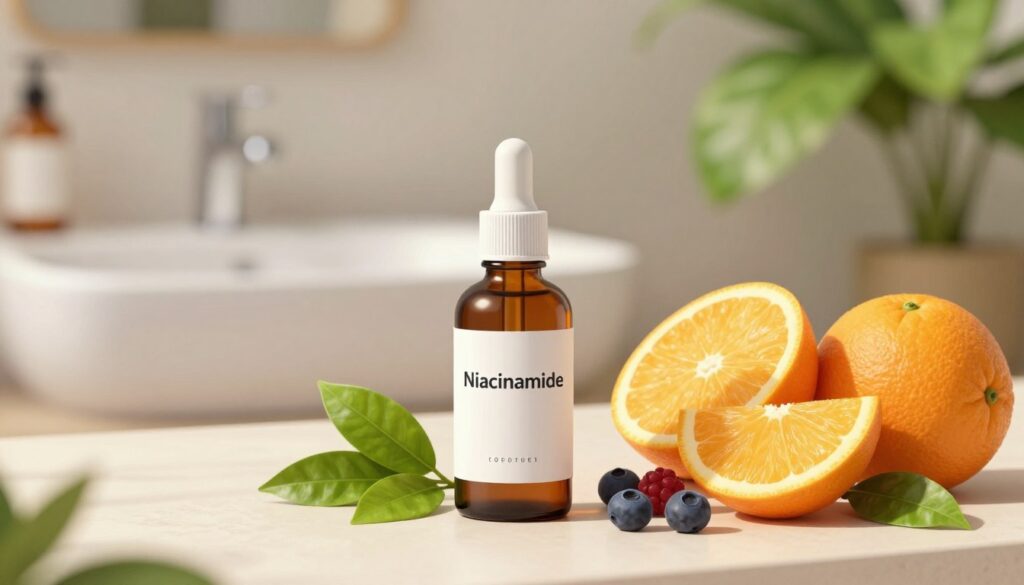
Niacinamide, also called vitamin B3, strengthens your protective barrier. This versatile humectant ingredient increases ceramide production for better hydration and helps your skin retain water.
It also inhibits melanin transfer to fade dark spots. Your complexion becomes more even-toned with consistent use, much like the effects of seed oil and its fatty acids.
Ascorbic acid, the pure form of vitamin C, boosts collagen production. This essential nutrient helps reduce fine lines and wrinkles, acting as a powerful solvent for skin concerns.
Vitamin E serves as your primary fat-soluble antioxidant. It protects cell membranes from oxidative damage while softening texture, making it a key ingredient for healthy hair and skin.
| Vitamin | Key Benefits | Optimal Concentration | Primary Function |
|---|---|---|---|
| Niacinamide (B3) | Barrier strengthening, brightening, acne control | 4-5% | Multi-functional treatment |
| Vitamin C | Collagen boost, pigmentation fading, UV protection | 5-20% | Antioxidant and brightener |
| Vitamin E | Photoprotection, membrane protection, emollient | Varies by formula | Fat-soluble antioxidant |
The synergy between these nutrients creates comprehensive anti-aging effects. Vitamin C brightens and firms, while vitamin E provides protection. Niacinamide ensures your barrier remains resilient against environmental stressors. Additionally, the inclusion of humectants and fatty acids, derived from seed oil, helps maintain moisture in both skin and hair.
This vitamin combination requires consistent use for optimal results. Your investment in these powerful ingredients pays off with improved radiance and texture, as they act as effective solvents that attract water and nourish the skin.
Addressing Common Skincare Concerns
Effective skincare often means addressing interconnected concerns rather than treating them in isolation. Your complexion may present multiple challenges that require a coordinated approach.
Tackling Dryness, Wrinkles, and Dullness
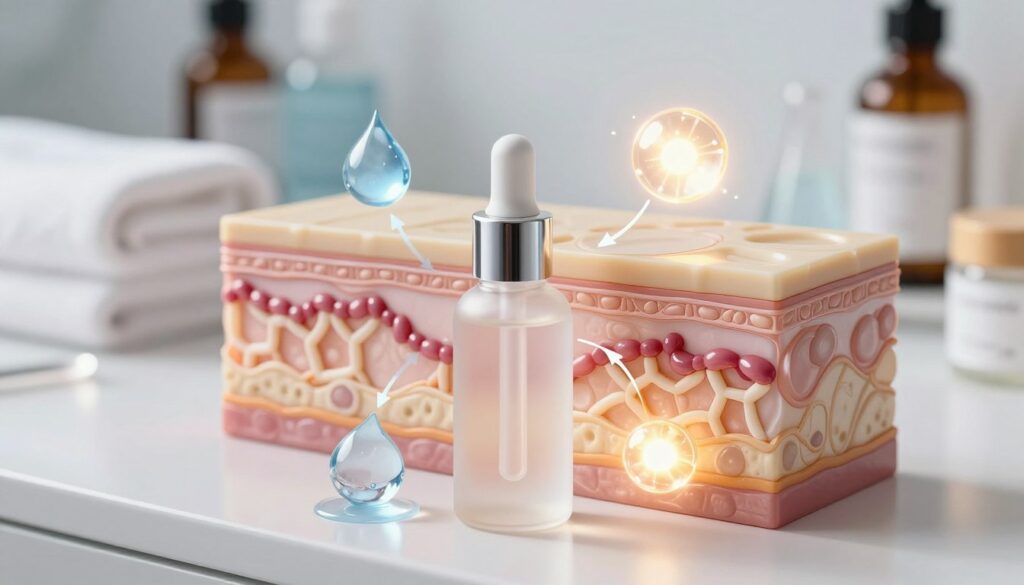
This formula specifically targets the most frequent issues people experience. It works comprehensively across different age groups and skin types.
Dryness receives intensive treatment through twelve moisturizing ingredients, including humectants and fatty acids derived from seed oil. They work together to attract, bind, and seal moisture in your skin. This multi-layered approach helps skin stay hydrated throughout the day.
Fine lines and wrinkles are addressed through multiple mechanisms. Hydration plumps the skin to reduce their appearance immediately. Peptides signal collagen production for long-term improvement.
If you struggle with dullness, brightening agents work to even your tone. They fade dark spots and promote cellular turnover. This reveals fresher, more radiant skin over time.
The formulation considers that uneven texture often results from dehydration. It addresses root causes rather than just superficial smoothing. This comprehensive strategy means you don’t need separate products for each concern.
For those with sensitive skin, the alcohol-free and fragrance-free formula reduces irritation risk. The balanced approach keeps skin looking healthy and vibrant.
Self Care 5 in 1 Facial Serum Reviews: User Experiences and Analysis
Real-world feedback provides the clearest picture of any skincare product’s true performance. People who have tested this formula share valuable insights about its daily use.
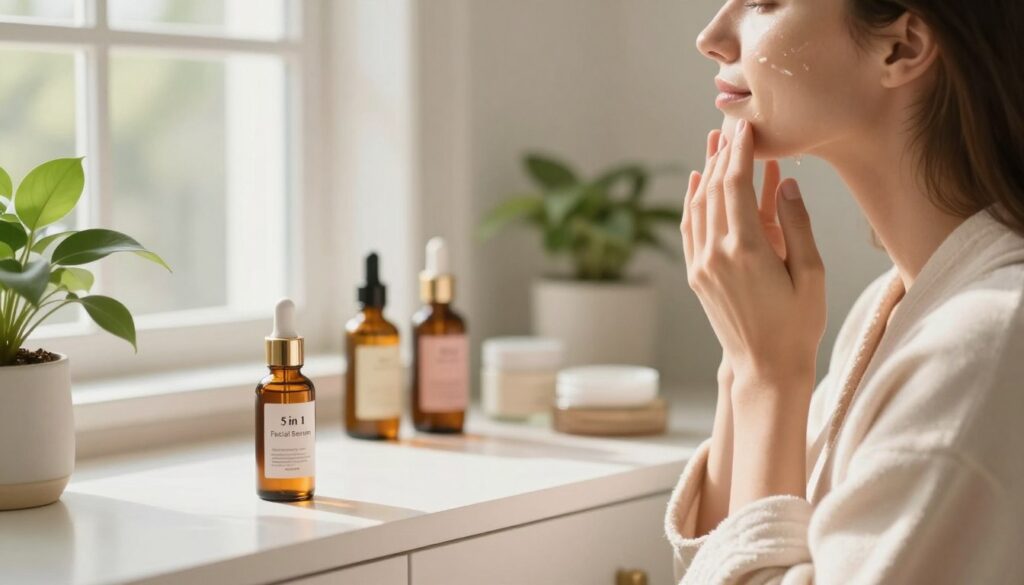
Actual user reports highlight both strengths and limitations you should consider. Your specific skin type plays a crucial role in determining results.
Pros and Cons from Real Users
Many appreciate the lightweight texture that absorbs quickly. This creates an immediate plumping effect without greasy residue.
The affordable price point stands out as a major advantage. Users note comparable results to higher-priced products.
However, those with oily or acne-prone skin report mixed experiences. Some notice breakouts potentially linked to certain oil components.
- Excellent hydration for dry skin types
- Layers well under makeup without pilling
- Free from common irritants like fragrances
- Potential pore-clogging for sensitive skin
- Limited anti-aging results for mature skin
Your best approach involves patch testing before full application. This helps determine how your unique skin responds to the formula.
Comparing This Serum with Similar Facial Products
When evaluating skincare options, comparing similar products helps you make informed decisions about value and effectiveness. This acid facial serum stands out immediately due to its accessible price point of C$9.99.
Premium acid facial serum alternatives often cost $30 to over $100 while containing comparable active ingredients. The difference typically lies in packaging and additional botanicals rather than proven efficacy.
| Feature | This Product | Premium Alternatives | Budget Competitors |
|---|---|---|---|
| Price Point | C$9.99 | $30-$100+ | $8-$15 |
| Active Ingredients | 31 comprehensive components | Similar actives plus botanicals | Limited key ingredients |
| Formulation Approach | 5-in-1 multifunctional | Often specialized focus | Basic single benefits |
| Organic Score | 42% natural, 48% chemical | Varies widely | Typically simpler formulas |
The 31-ingredient formulation offers broader coverage than minimalist acid facial products containing only 10-15 components. This comprehensive approach addresses multiple skincare concerns simultaneously.
Drugstore alternatives at similar prices often feature fewer active ingredients or lower concentrations. This might require purchasing multiple products to achieve comparable results.
Your personal preferences ultimately determine the best choice. Consider your skin type, specific concerns, and whether you prefer targeted treatments or multifunctional solutions when selecting acid facial serum products.
Ingredient Safety, Allergen Information, and Purity
Ingredient safety forms the foundation of any effective skincare regimen. This formula prioritizes purity while delivering noticeable results for your complexion.
The product meets strict standards for vegan, gluten-free, and cruelty-free formulations. You can trust that no animal-derived components or testing methods were involved.
Free From Harmful Additives
The absence of parabens, sulfates, and synthetic fragrances reduces irritation risk. These common additives often cause reactions in sensitive skin types.
Your complexion benefits from the alcohol-free formulation that prevents drying effects. The fragrance-free approach eliminates a leading cause of cosmetic-related dermatitis.
While most ingredients are gentle, note the inclusion of coconut oil. If you have known sensitivities to coconut-derived components, exercise caution with this blend.
Recyclable packaging demonstrates environmental responsibility without sacrificing effectiveness. The silicone-free formula avoids potential congestion issues some people experience.
Always perform a patch test before full facial application. Individual responses vary even with carefully selected components.
How to Use the Serum for Maximum Benefits
The way you apply your skincare products plays a crucial role in how well they perform on your complexion. Proper technique ensures active ingredients penetrate deeply for optimal results.
Application Techniques and Best Practices
Start with freshly cleansed skin when pores are clear and receptive. Use just 2-3 drops for your entire face and neck area. This concentrated formula works efficiently without waste.
Gently massage using upward motions. This approach helps keep skin circulation healthy while ensuring even distribution. Apply to slightly damp skin for enhanced hydration.
The moisture helps keep skin hydrated by allowing humectants to bind more water. Wait 1-2 minutes for full absorption before following with moisturizer. This step also helps seal in active ingredients.
Integrating into Your Daily Routine
Morning application should always include sunscreen protection. UV defense helps keep brightening benefits working effectively. Your daytime routine supports all-day hydration.
Evening use prepares your complexion for overnight repair. Consistent application helps keep skin continuously nourished. This maintains improvements over time.
You can layer this product with other treatments using the thinnest-to-thickest rule. The formula also helps create a smooth base for makeup application. Proper integration maximizes your investment.
Additional Insights and Expert Opinions
The medical community provides crucial insights into how peptide technologies actually benefit skin health. Dermatologists analyze these ingredients through both clinical research and patient outcomes.
What Dermatologists Say
Experts recognize peptide complexes like matrixyl 3000 stimulate natural collagen production. This combination contains both palmitoyl tripeptide-1 and palmitoyl tetrapeptide-7.
The palmitoyl tripeptide-1 ingredient helps your skin produce more structural proteins. Meanwhile, palmitoyl tetrapeptide-7 reduces inflammation that accelerates aging.
Hydrolyzed collagen functions differently than intact collagen molecules. Its smaller size allows better penetration where it provides essential amino acids.
Each hydrolyzed collagen molecule serves as building blocks for your skin’s repair processes. This ingredient helps maintain moisture while supporting natural collagen synthesis.
Dermatologists note that consistent use delivers gradual improvements in texture and firmness. While results differ from professional treatments, these peptides offer measurable benefits over time.
Conclusion
Choosing the right skincare product requires careful consideration of how its ingredients work together to benefit your complexion. This comprehensive formula brings multiple benefits through thirty-one carefully selected components.
The presence of coconut oil and stearic acid means those with acne-prone skin should test cautiously. However, the blend excels at hydration through its advanced humectant system.
At an accessible price point, it offers exceptional value by combining beneficial acids, peptides, and botanical extracts. The balanced formulation addresses various aspects of skin health effectively.
Understanding the complete ingredient profile helps you make an informed decision. This product provides a strong foundation for your routine when used consistently.
Self Care 5 in 1 Facial Cleansing Mousse: Simplify Your Skincare Routine
Self Care 5 in 1 Facial Toner: Your Ultimate Skincare Solution
Self Care 5 in 1 Facial Serum: Your Ultimate Skincare Solution
Self Care vs Self Maintenance: Which is Right for You?