Hormones GIP and GLP 1: How They Impact Your Body
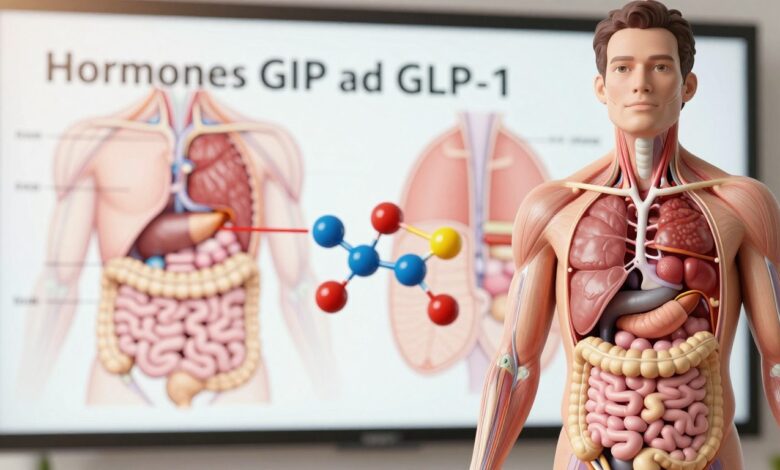
What if the key to managing your weight and blood sugar wasn’t just about willpower, but about understanding tiny messengers like GIP and GLP-1 working inside your body right now? These hormones have significant effects on weight loss and diabetes management.
These powerful chemical signals, including GLP-1 and GIP, are produced in your gut after meals. They play a crucial role in regulating your metabolism and can influence the effectiveness of diabetes medications. Your entire system depends on their proper function.
These gut-derived messengers, including GIP and GLP-1, help control appetite and influence insulin release. They determine how your system processes nutrients from food, which affects energy balance and weight loss throughout your day. Understanding the effects of GLP-1 and GIP is crucial for managing type diabetes and obesity.
Recent medical advances have brought new attention to these natural regulators. Understanding their mechanisms can lead to better health outcomes through both lifestyle choices and targeted interventions, especially with medications that act as agonists to enhance their effects.
Key Takeaways
- Your gut produces important chemical messengers after eating that regulate metabolism and play a role in weight loss and obesity management
- These substances help manage blood sugar levels and control appetite, which is crucial for type diabetes
- They influence how your body processes nutrients and stores energy, impacting weight and overall health
- Proper function of these systems affects digestion and energy balance, reducing the risk of obesity
- Lifestyle factors can optimize the effectiveness of these natural regulators, including the effects of GLP-1 and GIP
- Medical treatments now target these pathways for weight and diabetes management, utilizing agonist medications
- Understanding these mechanisms can lead to better health decisions
How Hormones GIP and GLP 1 Work in Your Body
The intricate dance between two key gut-derived substances governs how your body processes nutrients and manages energy. These chemical messengers activate immediately after you eat, coordinating your metabolic response.
Understanding GLP-1’s Role in Blood Sugar Control and Satiety
Your system uses one substance to stimulate insulin release from the pancreas. This action effectively lowers glucose in your bloodstream, which is crucial for managing weight and preventing obesity.
Simultaneously, it blocks glucagon secretion. This hormone normally raises blood sugar levels, and understanding the effects of GLP-1 and GIP is essential for diabetes management. The combined effect maintains stable glucose control.
You experience delayed stomach emptying when this regulator activates. This extends feelings of fullness and reduces appetite, aiding in weight loss. It helps you eat less naturally.
Unpacking GIP’s Impact on Insulin Secretion and Fat Metabolism
The second messenger enhances insulin secretion when you consume food, which is vital for managing obesity and supporting weight loss. It plays a distinct role in metabolic management, particularly in type diabetes.
This substance promotes lipid storage and influences fat accumulation, making understanding the effects of GLP-1 and GIP crucial for health. Medications that act as agonists can further impact this balance.
Your cells contain specific receptor sites where these chemical signals bind. The response intensity depends on concentration and sensitivity, highlighting the importance of these mechanisms in diabetes management.
| Function | GLP-1 | GIP |
|---|---|---|
| Primary Focus | Glucose control | Fat metabolism |
| Appetite Effect | Suppresses hunger | Minimal impact |
| Insulin Response | Stimulates release | Enhances secretion |
| Glucagon Action | Blocks secretion | Limited effect |
| Metabolic Role | Energy balance | Lipid storage |
Natural Ways to Stimulate GLP-1 and GIP
Your plate holds more power than you might realize when it comes to activating your body’s internal regulators. Specific dietary choices can enhance your natural glp-1 gip response significantly.
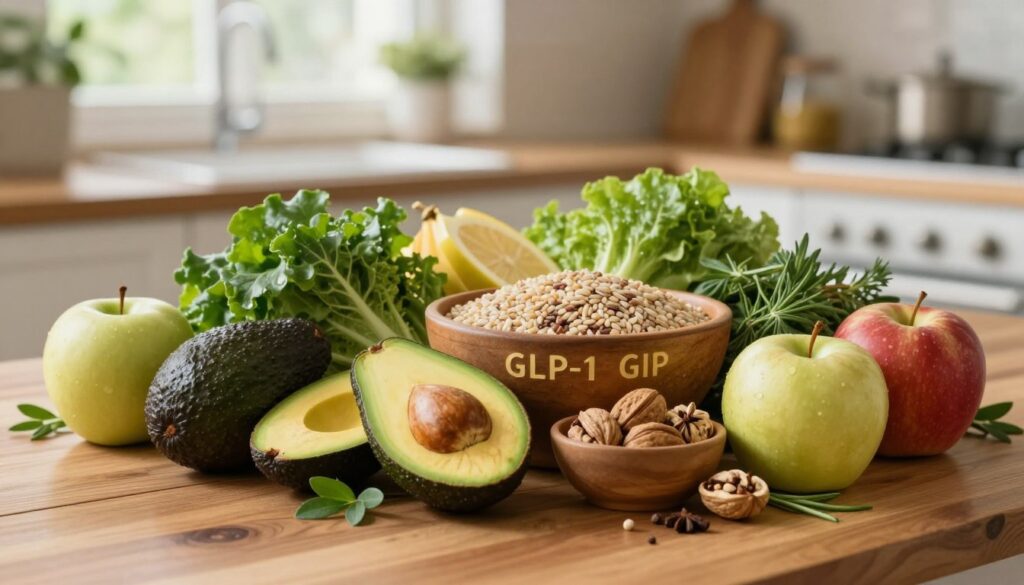
Foods that Naturally Enhance GLP-1 Release
Protein-rich options like lean meats, fish, eggs, and legumes promote beneficial release while increasing satiety. This natural effect helps reduce overall food intake without conscious effort, supporting weight loss efforts, especially for those managing type 2 diabetes.
Healthy fats from avocados, nuts, and olive oil slow stomach emptying. This action prolongs feelings of fullness and supports your system’s natural regulatory mechanisms, which can be beneficial for obesity management.
Fiber-rich whole grains and vegetables trigger gradual glucose release. This process stimulates production of these important chemical messengers, such as GLP-1 and GIP, in your digestive tract, enhancing the effects of GLP-1 agonist medications.
Lifestyle Habits to Boost GIP Activity
Fermented foods like yogurt and kimchi maintain gut health. A healthy digestive environment positively influences your body’s gip activity and metabolic balance, which is crucial for managing obesity and type 2 diabetes.
Even dark chocolate in moderation may offer benefits for weight loss. Quality dark chocolate contains compounds that can support your natural regulatory systems when consumed responsibly, aiding in weight management.
Strategic meal combinations create a natural metabolic advantage. You’ll notice improved appetite control when incorporating these hormone-supporting foods throughout your day, enhancing the effects of GLP-1 and GIP medications.
Nutritional Strategies to Manage GLP-1 and GIP
The order in which you eat different types of food plays a surprisingly significant role in managing your metabolic health. Simple adjustments to your routine can enhance your body’s natural regulatory systems.
These approaches focus on meal timing, composition, and eating behavior for optimal results.
Balanced Meal Planning and Meal Sequencing
Your body’s production of key regulators follows a daily cycle. Levels are naturally higher during daylight and evening hours.
Consuming your main meals within a consistent 12-hour window supports this rhythm. This practice aids in glucose management and can be particularly beneficial for those managing weight loss and type diabetes.
Meal sequencing is a powerful tool. Eating protein, fiber, and healthy fats before carbohydrates can improve post-meal glucose levels, enhancing the effects of GLP-1 and GIP medications in the context of obesity.
This sequence encourages a more controlled insulin response. It also promotes feelings of fullness.
Incorporating Protein, Fiber, and Healthy Fats
The Plate Method offers a visual guide for balanced meals. Fill half your plate with non-starchy vegetables to support weight loss and manage type diabetes.
Dedicate a quarter to lean protein and another quarter to complex carbohydrates. This structure supports stable energy and can enhance the effects of GLP-1 and GIP medications.
Mindful eating behaviors significantly influence your food intake. Eating slowly over 20-30 minutes enhances satiety signals, which is beneficial for those focused on weight loss.
Creating a calm environment helps you tune into your body’s cues. This reduces overall consumption naturally and aids in managing glucose levels.
| Strategy | Primary Benefit | Practical Tip |
|---|---|---|
| Meal Sequencing | Controls post-meal glucose spikes | Start meals with vegetables or protein |
| Circadian Alignment | Optimizes natural regulator levels | Eat breakfast within 1-2 hours of waking |
| Mindful Eating | Reduces overall food intake | Put utensils down between bites |
| The Plate Method | Balances nutrients for stability | Use a visual guide for portion control |
Your eating schedule should conclude at least two hours before bedtime. This allows your body to process food effectively overnight.
These strategies work together to create a powerful approach to metabolic management.
Quick Tips for Managing Blood Sugar and Insulin Release
Effective blood sugar management doesn’t require complex strategies—just consistent application of proven techniques. These simple approaches work with your body’s natural systems.
Monitoring Your Blood Sugar Levels Effectively
Tracking your glucose responses provides valuable insights. You’ll discover which foods and meal patterns support stable energy.
Monitor fasting levels, post-meal spikes, and daily patterns. This data helps you adjust timing and choices.
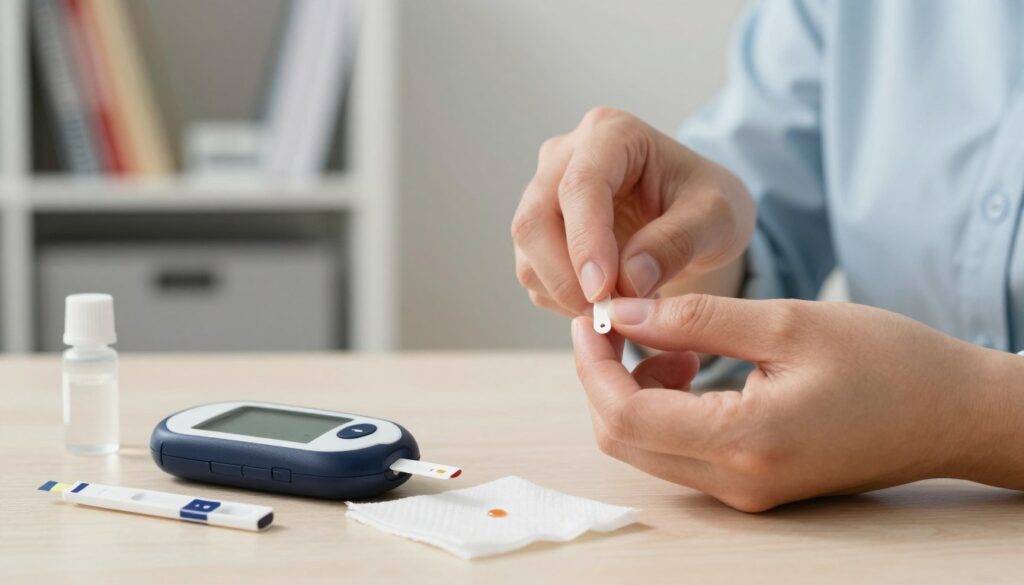
Establish a consistent 12-hour eating window. Space meals every 3-4 hours for optimal rhythm.
Integrating Physical Activity into Your Routine
Your system responds well to moderate and high-intensity movement, which can positively influence the effects of GLP-1 and GIP. Find activities you genuinely enjoy for long-term consistency.
Combining aerobic exercise with resistance training offers synergistic benefits, especially for those managing type 2 diabetes. This approach enhances insulin release patterns and can complement medication.
“Consistency in movement creates metabolic advantages that compound over time.”
Focus on building sustainable habits rather than dramatic changes. Gradual progress yields better results.
| Monitoring Strategy | Primary Benefit | Frequency |
|---|---|---|
| Fasting Glucose Check | Baseline metabolic assessment | Daily morning |
| Post-Meal Tracking | Food response identification | After main meals |
| Activity Correlation | Exercise impact analysis | Pre/post workout |
| Pattern Recognition | Long-term trend identification | Weekly review |
These practical steps help maintain balanced sugar levels throughout your day. Start with one approach and build from there.
Managing hormones gip and glp 1 for Better Health
Your journey toward better metabolic regulation presents two distinct pathways: pharmaceutical support and natural enhancement. Both approaches offer unique advantages for your wellness goals.
Understanding Medication Options and Their Benefits
Prescription treatments called agonists mimic your body’s natural chemical messengers. These manufactured substances attach to cell receptors.
They trigger the same responses as your endogenous regulators. The effects intensify with higher dosages.
This pharmaceutical approach provides potent support for metabolic conditions. It offers significant benefits for specific health challenges.
Practical Steps to Regulate Hormone Secretion Naturally
You can stimulate your body’s natural production through lifestyle choices. Dietary strategies and activity patterns enhance endogenous release, which can help mitigate the effects glp-1 and glp-1 gip related to type diabetes.
These methods work synergistically with or without pharmaceutical support, including medication. They create a foundation for sustainable health management.
Your comprehensive approach should balance both intervention types. This holistic strategy supports long-term metabolic regulation.
Side Effects and Considerations When Using Hormone Therapies
Before starting any pharmaceutical approach to metabolic regulation, being aware of possible bodily responses ensures safer treatment. Understanding these potential reactions helps you make informed decisions about your health journey.
Recognizing Common Gastrointestinal Side Effects
Many metabolic medications, including glp-1 gip treatments, commonly cause digestive system reactions. These side effects often include nausea, vomiting, and diarrhea.
These discomforts typically appear when beginning a new regimen or increasing dosage of medication. Most people find that these effects diminish as their body adjusts to the treatment.

Your experience may vary depending on the specific medication prescribed. Some newer pharmaceutical options carry different response patterns that require careful monitoring.
When to Consult Your Healthcare Provider
Certain symptoms warrant immediate medical attention. Severe abdominal pain could indicate a serious condition requiring prompt evaluation.
Combining these glp-1 gip medications with other treatments increases your risk of low blood sugar. Close glucose monitoring becomes essential for safe management.
Unexpected weight changes or any reaction impacting your daily life should prompt discussion with your provider. Regular communication optimizes your treatment plan while minimizing adverse effects.
The Role of Exercise, Sleep, and Stress in Hormone Regulation
Three pillars of lifestyle—physical activity, sleep quality, and stress control—form the foundation of hormonal balance. These daily habits work together to support your body’s natural communication systems.

Chronic stress elevates cortisol levels, which directly impairs your natural chemical messenger release. This negative influence affects eating behaviors and overall metabolic health.
How Regular Exercise Enhances Hormone Function
Your movement routine plays a pivotal role in enhancing internal signaling, including the regulation of hormones like glp-1 and gip. Both moderate and high-intensity activity improve your body’s natural response.
Aerobic exercise and resistance training offer complementary benefits. Combining both creates the most effective approach for long-term health.
Tips for Better Sleep and Effective Stress Management
Quality sleep optimizes your body’s timing for chemical messenger release after eating. Aim for 7-9 hours nightly to support proper function.
Diverse stress reduction techniques include journaling, gratitude practice, and mind-body exercises. Spending time in nature and grounding techniques also promote balance.
| Lifestyle Factor | Primary Benefit | Practical Action |
|---|---|---|
| Regular Exercise | Enhances natural signaling | 30 minutes daily activity |
| Quality Sleep | Optimizes timing of release | Consistent 7-9 hour schedule |
| Stress Management | Protects against impairment | Daily mindfulness practice |
Your commitment to consistency across these three areas yields greater benefits than sporadic efforts. These interconnected factors either support or undermine your body’s natural regulation systems.
Exploring GLP-1 and GIP Medications and Supplements
When lifestyle adjustments alone aren’t sufficient, prescription options can provide additional support for metabolic regulation. These pharmaceutical approaches target specific pathways in your body’s natural systems.
An Overview of Medications such as Semaglutide and Tirzepatide
Your healthcare provider may discuss GLP-1 agonist medications like semaglutide, which are part of the glp-1 and gip class of treatments. This treatment comes in both injectable and oral forms.
These medications mimic your body’s natural signals to enhance insulin secretion. They also help control appetite and support weight management.
Dual agonist options target both receptor systems simultaneously. This approach offers enhanced benefits for diabetes and obesity treatment.
Natural Supplements: Berberine, Omega-3, Probiotics and More
Several natural compounds can complement your metabolic health strategy, particularly in conjunction with glp-1 and gip pathways. Berberine supports insulin sensitivity and glucose control.
Omega-3 fatty acids and probiotics contribute to gut health. These supplements may enhance your body’s natural response systems.
Always consult your provider before adding glp-1 and gip supplements to your regimen. This ensures safety and effectiveness for your individual health needs.
Conclusion
Your daily decisions create a ripple effect through your body’s intricate metabolic regulation systems. You now understand how these natural signaling pathways, including glp-1 and gip, influence glucose control and appetite.
Multiple approaches exist to support your metabolic health. You can implement dietary strategies, activity patterns, and lifestyle adjustments that work synergistically with glp-1 and gip pathways.
Simple changes to your food intake and eating behaviors, particularly those that support glp-1 and gip pathways, offer substantial benefits. Prioritizing nutrient-dense choices and mindful consumption supports natural function.
Whether choosing natural methods or pharmaceutical support, sustainable habits form the foundation for lasting success. Consistent daily choices lead to improved metabolic balance over time, especially when considering the roles of glp-1 and gip.
Your journey toward optimal health begins with understanding these sophisticated systems. Each positive decision contributes to better glucose management and overall wellness, aligning with the effects of glp-1 and gip.