Why does what worked for your body a decade ago no longer deliver the same results today?
If you’re navigating your mid-40s, you might notice your body responding differently. The strategies from your 20s and 30s often fall short now. This isn’t about willpower fading. It’s about real physiological shifts.
This guide is crafted specifically for you. It addresses the unique hurdles women face during this life stage. Success requires a complete approach. We must look at metabolism, hormones, daily habits, nutrition, and movement together.
Your body composition is changing. You might see more fat around your midsection. Understanding the “why” behind this is your first powerful step. With targeted strategies, achieving a healthy, strong body is absolutely within reach.
We’ll move beyond quick fixes. This is about building sustainable habits that respect your intelligence and experience. Let’s begin this empowering journey.
Key Takeaways
- Your body’s response to diet and exercise changes significantly after age 40.
- A holistic strategy addressing multiple factors is essential for success.
- Metabolism and hormonal balance play crucial new roles at this stage.
- Focus on sustainable lifestyle changes, not temporary drastic measures.
- Understanding physiological changes is the foundation for effective action.
- Midlife body composition shifts are normal and manageable.
- For effective weight loss for a 45 year old female, a positive mindset combined with evidence-based advice creates lasting result
- A positive mindset combined with evidence-based advice creates lasting results.
Understanding Weight Loss for a 45 Year Old Female
Empowerment starts with understanding the natural shifts happening within. This isn’t about what you’re doing wrong. It’s about how your physiology is evolving.
Knowing the “why” turns confusion into a clear plan. Let’s explore the core reasons your physique responds differently now.
Why Your Body Is Changing
Your metabolic engine runs a little slower with each passing decade. This is a universal fact of human biology.
Your basal metabolic rate (BMR) is the energy used for basic life functions. It accounts for most of the calories you burn daily. After 40, this rate can drop significantly.

Research indicates this decline can mean burning hundreds fewer calories each day at rest. If your food intake and activity stay the same, this alone can lead to a gradual increase.
Hormonal transitions are the other major player. As estrogen levels begin to fluctuate and decline, your body’s preferred storage sites for fat often change.
This hormonal shift is scientifically linked to increased fat storage around the abdominal area, making it feel harder to lose weight there.
These factors—a slower metabolism and changing hormones—work together. They explain why old habits might not yield old results.
The Role of Metabolism and Muscle Mass
Your metabolism isn’t a fixed number. It’s deeply connected to your body composition. Muscle tissue is metabolically active.
It burns more calories than fat tissue, even while you’re at rest. Preserving lean mass is therefore crucial for a healthy metabolic rate.
Unfortunately, age-related muscle loss, called sarcopenia, can begin in your 30s. It accelerates without proactive effort. This loss directly reduces your daily calorie needs.
Strength training becomes non-negotiable to combat this trend, especially for weight loss 45 year old female. Building and maintaining muscle supports your metabolism. It also shapes a stronger, more resilient physique.
When you understand these changes, you stop fighting your body. You start working with it. This knowledge lays the foundation for the effective, tailored strategies we’ll discuss next.
Building Your Foundational Lifestyle Pillars
The most effective approach to reshaping your physique and achieving weight loss begins with establishing core daily practices. Nutrition and exercise receive most of the attention, especially for women looking to lose weight. Yet they rest upon a foundation of essential habits that support your weight management journey.
When this foundation is weak, even the best meal plan or workout routine struggles. Think of these pillars as the support system for all your efforts in losing weight. They work together in a powerful synergy.

Cultivating the Right Mindset and Attitude
View your journey as a marathon, not a sprint. This perspective shift is crucial for lasting success. Quick fixes often lead to frustration and rebound.
Willpower is important, but patience and self-compassion are your true allies. Be kind to yourself when progress feels slow. Celebrate small victories along the way.
This mental framework helps you stay consistent. It turns daily choices into sustainable habits. Your attitude becomes the cornerstone of everything you build.
Prioritizing Quality Sleep
Sleep is a non-negotiable pillar for managing your body composition and achieving weight loss goals. Research consistently shows a clear link. Individuals getting less than seven hours of rest tend to have higher body mass indexes, which can hinder efforts to lose weight.
Insufficient sleep disrupts hormones that regulate hunger, which is especially crucial for women experiencing menopause. Leptin and ghrelin become unbalanced, leading to increased appetite and cravings for high-calorie foods.
Aim for seven to nine hours of quality rest each night to support your weight loss journey. Establish a consistent bedtime routine. Limit screen time thirty minutes before bed to enhance your sleep quality during the day.
Create a dark, cool sleep environment. Manage your caffeine and alcohol intake, especially in the evening. These simple adjustments make a significant difference in your overall diet and well-being.
Managing Stress Effectively
Chronic stress creates a hormonal response that works against your goals, particularly for women in menopause. Your body releases cortisol when under pressure. Elevated cortisol levels directly promote fat storage around the abdomen, contributing to weight gain over the years.
This hormone can also trigger intense cravings. You might find yourself reaching for sugary or salty snacks, which can hinder your weight loss journey. Managing daily tension is therefore essential.
Incorporate stress-reduction techniques into your routine. Daily meditation or deep breathing exercises calm your nervous system, which is crucial for women looking to lose weight after 45. Mindful walking in nature provides dual benefits.
Journaling helps process emotions and reduce mental clutter. These practices directly impact your hormonal balance and support your overall health and physique management efforts, especially for weight loss in 45-year-old females.
When cortisol remains elevated, it signals your body to conserve energy and store fat, particularly in the midsection, making it a key factor to address in your weight loss strategy.
Staying Consistently Hydrated
Proper hydration plays a critical role that many overlook. The sensation of thirst can diminish with age. This leads to unintentional dehydration throughout the day.
Dehydration is often mistaken for hunger. It can sap your energy and impair workout performance. Drinking enough water supports every cellular process in your body.
Strive for at least eight glasses of water daily. Carry a reusable bottle with you as a visual reminder. Set hourly alerts on your phone if needed.
If you’re active, consider adding electrolytes to your water. This helps maintain proper mineral balance. Hydration improves digestion, energy, and clear hunger signals.
These four pillars—mindset, sleep, stress management, and hydration—form an interconnected foundation. Weakness in one area can undermine your efforts in others. For example, poor sleep increases stress and amplifies cravings.
Strengthening these daily habits creates a supportive environment. Your nutrition and exercise strategies will then work more effectively. This synergistic approach leads to sustainable, lasting results.
Revamping Your Nutrition Strategy
Nutrition becomes your most powerful tool when you understand how to wield it effectively at this stage, especially for women experiencing menopause. What you eat directly fuels your energy, supports your changing physiology, and influences your overall well-being, which is crucial for weight loss in a 45-year-old female.
This isn’t about restrictive dieting. It’s about strategic nourishment that works with your body’s current needs to prevent gaining weight. Let’s explore how to transform your approach to eating for sustainable results.
Focus on Whole Foods and Protein
Building your meals around whole, unprocessed options creates a solid foundation for health. These foods provide maximum nutrients for fewer calories.
Think colorful vegetables, fresh fruits, lean proteins, whole grains, and legumes. They deliver essential vitamins, minerals, and fiber that support every system in your body.

Protein intake deserves special attention, especially for women experiencing menopause. Aim for 20-30 grams with each meal. This supports muscle preservation and enhances feelings of fullness, which is crucial for weight loss in a 45-year-old female.
Good sources include chicken, fish, eggs, tofu, and Greek yogurt. Protein also has a higher thermic effect than other nutrients, making it beneficial in preventing weight gain. Your body uses more energy to digest it, as studies suggest.
Don’t overlook dietary fiber. Strive for at least 30 grams daily. Both protein and fiber slow digestion and help regulate hunger hormones, aiding in weight management.
This combination is essential for managing appetite as your metabolism evolves during menopause. Include healthy fats from avocados, olive oil, and nuts. These fats reduce inflammation linked to insulin resistance, which can be a concern for those looking to maintain their weight.

Managing Portions and Meal Timing
Your daily energy needs may have decreased by 250-300 calories since your 30s. This makes portion awareness more important than ever, especially for those concerned about weight loss as a 45 year old female.
Eating smaller, balanced meals throughout the day helps maintain steady blood sugar levels. Large spikes and crashes can promote fat storage, leading to unwanted gain weight.
Each meal should combine protein, fiber, and healthy fats. This trio provides sustained energy and satisfaction. It prevents the urge to snack on less nutritious options, which can derail weight loss efforts.
Research studies suggest that spreading protein intake evenly across meals may be more effective for muscle synthesis than consuming most of it at one sitting.
Intermittent fasting has gained popularity for weight loss. It can help reduce overall calorie intake for some people.
However, it may not be superior to other eating patterns. For women experiencing hormonal fluctuations, extended fasting periods could potentially disrupt delicate hormone balance.
Listen to your body’s signals. If you feel energized and satisfied with this approach, it might work for you. If it increases stress or disrupts sleep, consider alternative timing strategies.
Reducing Sugar, Alcohol, and Ultra-Processed Foods
Ultra-processed items are industrial formulations designed for overconsumption. They’re typically high in calories, unhealthy fats, and added sugars.
These foods offer little nutritional value. Studies strongly link them to weight gain and health challenges. They’re engineered to bypass your natural fullness signals.
Common examples include packaged snacks, sugary cereals, and ready-to-eat meals. Reading labels helps you identify these products. Look for lengthy ingredient lists with unfamiliar additives.
Added sugar and alcohol present dual challenges. They contribute “empty” calories without beneficial nutrients. They also disrupt sleep quality and can increase stress.
This creates a cycle that hinders your efforts. Sugar causes rapid blood sugar spikes followed by crashes that trigger cravings. Alcohol can lower inhibitions around food choices.
Practical swaps make reduction manageable. Try these approaches:
- Plan several alcohol-free days each week
- Choose sparkling water with citrus instead of sugary sodas
- Prepare more meals at home to control ingredients
- Use herbs and spices to enhance flavor without added sugar
- Opt for whole fruit instead of juice or desserts
Transforming your diet requires patience and practice. Start with one change, like increasing protein at breakfast or reducing sugary drinks. Small, consistent adjustments create lasting habits that support your goals.
Creating an Effective Exercise Routine
Moving your body strategically becomes one of your most powerful allies for maintaining vitality. The right blend of movement patterns can reignite your metabolism and rebuild your strength.
This isn’t about punishing workouts or endless hours at the gym. It’s about smart, efficient exercise that respects your time and delivers maximum benefits.
A balanced routine combines three key elements. Each plays a distinct role in supporting your overall health and physique goals.
The Non-Negotiable: Strength Training
Resistance training is the cornerstone of any successful plan. It directly combats age-related muscle mass decline.
This type of activity builds metabolically active tissue. More muscle means a healthier resting metabolic rate.
Aim for two to three sessions each week. Focus on compound movements that work multiple groups at once.
Your full-body routine should include five fundamental patterns:
- Push: Exercises like push-ups or overhead presses
- Pull: Movements such as rows or lat pulldowns
- Squat: Goblet squats or bodyweight squats
- Hinge: Deadlifts or hip thrusts
- Loaded Carries: Farmer’s walks or suitcase carries
This approach ensures balanced development. It also protects your joints through proper movement mechanics.
Focus on body recomposition—simultaneously building muscle while reducing fat—rather than simply chasing scale numbers. This creates a stronger, more capable physique.
Consider working with a qualified trainer initially. They ensure proper form and prevent injury. This investment pays dividends in long-term consistency.
Incorporating Smart Cardio (HIIT)
High-Intensity Interval Training offers exceptional efficiency. It boosts cardiovascular health while supporting fat reduction.
HIIT alternates short bursts of intense effort with recovery periods. This pattern can elevate your metabolism for hours afterward.
You don’t need special equipment to begin. Try this beginner-friendly protocol:
Alternate 15 seconds of brisk walking or jogging with 45 seconds of recovery walking. Repeat this cycle for a total of 20 minutes.
Complete this activity two to three times per week. Schedule it on non-strength training days for optimal recovery.
This method proves that effective exercise doesn’t require marathon sessions. Short, focused efforts deliver remarkable results.
Adding Daily Movement (NEAT)
Non-Exercise Activity Thermogenesis encompasses all non-workout movement. This includes walking, gardening, and even fidgeting.
NEAT accounts for a significant portion of daily calories burned. Increasing it supports your overall energy balance.
Simple strategies can boost this all day activity:
- Take walking meetings or phone calls
- Use a standing desk or alternate sitting and standing
- Park farther from store entrances
- Take the stairs whenever possible
- Perform light household tasks more frequently
These small choices accumulate throughout your week. They enhance circulation and support joint mobility too.
Remember the myth of spot reduction. No specific exercise burns fat from one area alone. Overall fat reduction requires a calorie deficit combined with muscle building.
Find activities you genuinely enjoy. Whether it’s dance classes, swimming, or hiking, pleasure ensures consistency.
Frame physical activity as a celebration of what your body can achieve. This positive mindset transforms movement from chore to joy.
Navigating Hormonal Changes
Three key chemical messengers—estrogen, insulin, and cortisol—form a powerful triad that shapes your metabolic reality. These hormones work as an interconnected signaling system. They directly influence where your body stores energy and how it responds to nutrition.
Understanding this system provides clarity. It explains why previous approaches might feel less effective now. You’re not working against your willpower. You’re navigating a transformed biological landscape.
This section explores each hormone’s specific role. More importantly, it shows how lifestyle choices can create balance. You have significant influence over this internal environment.
Estrogen, Insulin, and Cortisol
The transition through perimenopause and menopause involves a natural decline in estrogen. This shift isn’t just about reproductive health. It significantly alters your fat distribution patterns.
Lower estrogen levels are scientifically linked to increased visceral fat storage. This is the deep abdominal fat surrounding your organs. It’s metabolically active and influences overall health.
Simultaneously, your cells may become less responsive to insulin over years. This condition, called age-related insulin resistance, means blood sugar isn’t efficiently ushered into cells.
Elevated blood sugar levels then promote more fat storage. Your midsection becomes a primary site for this weight gain. It’s a double challenge of shifting hormones and cellular response.
Chronic stress adds the third piece to this puzzle. It triggers the release of cortisol, your body’s primary stress hormone.
Persistently high cortisol levels drive appetite, increase cravings for sugary foods, and specifically promote abdominal fat accumulation, creating a cycle that’s hard to break.
These three hormones don’t operate in isolation. They interact constantly. For instance, high cortisol can worsen insulin resistance. Lower estrogen can amplify stress responses.
This interconnected system heavily influences your ability to manage your physique after 40. Recognizing this is the first step toward effective action.

Lifestyle Strategies for Hormone Balance
Your daily habits serve as the primary tool for hormone modulation. The nutrition, movement, and recovery strategies discussed earlier directly improve hormonal balance.
Specific dietary focuses make a measurable difference. Ensure adequate protein at each meal to support insulin sensitivity. Include plenty of fiber from vegetables and whole grains.
Incorporate anti-inflammatory fats like those from olive oil, avocados, and nuts. These support overall endocrine function. They help your hormones communicate effectively.
Consistent, moderate exercise acts as a powerful regulator. It improves insulin sensitivity and helps manage cortisol levels. Balance is key here.
Excessive, intense activity without proper recovery can become a stressor itself. This may elevate cortisol. Aim for sustainable movement patterns you enjoy.
Prioritizing quality sleep is non-negotiable for hormonal health. During deep sleep, your body repairs and regulates these chemical messengers. Aim for 7-9 hours each night.
For some women, lifestyle adjustments may need medical support. Consulting a healthcare provider about options is wise. Hormone replacement therapy (HRT) might be appropriate for managing severe symptoms.
Remember, you cannot control the natural aging process. Yet you have significant control over lifestyle factors. These determine how your hormones function.
This empowerment allows you to create a favorable internal environment. Sustainable progress becomes possible when you work with your biology.
| Key Hormone | Primary Function & Change | Impact on Physique | Lifestyle Support Strategy |
|---|---|---|---|
| Estrogen | Declines during perimenopause/menopause; regulates fat distribution | Increases visceral abdominal fat storage; alters metabolism | Strength training to preserve muscle; phytoestrogen-rich foods (soy, flax); stress management |
| Insulin | Cells become less responsive with age (insulin resistance) | Elevated blood sugar leads to increased fat storage, especially midsection | Balanced meals with protein/fiber; regular physical activity; reduced added sugar intake |
| Cortisol | Stress hormone; chronically elevated under persistent pressure | Drives appetite/cravings; promotes abdominal fat accumulation | Daily stress-reduction practices (meditation, walking); adequate sleep; setting boundaries |
The table above summarizes this hormonal triad. It shows how each one operates and how you can support balance.
Implementing these strategies creates a synergistic effect. Improving insulin sensitivity can help manage cortisol. Better sleep supports all hormonal systems.
Start with one focused change. Perhaps add a daily walking habit to manage stress and cortisol. Or increase your vegetable intake for better fiber and insulin response.
Small, consistent actions compound over time. They gradually shift your internal environment toward balance. This is the sustainable way forward.
Targeting Belly Fat and Boosting Insulin Sensitivity
Abdominal fat isn’t just a cosmetic concern—it’s a powerful indicator of your body’s internal metabolic state. This area often becomes a stubborn focal point during midlife, creating understandable frustration.
The solution lies in addressing the root cause rather than chasing temporary fixes. Improving your metabolic health becomes the primary goal here.
Why Fat Accumulates Around the Midsection
Many women notice their physique changing in predictable ways. Fat storage increasingly favors the abdominal region as hormones shift.
This isn’t about lack of effort or discipline. It’s a biological response to changing internal signals.
Visceral fat is the deep layer surrounding your internal organs. Unlike subcutaneous fat under your skin, it’s metabolically active.
It releases inflammatory compounds and hormones that disrupt your system. This creates a cycle that’s challenging to break.
Excess visceral belly fat is strongly linked to serious health risks, including type 2 diabetes, heart disease, and certain cancers, making its reduction a health imperative.
A key driver of this storage pattern is insulin resistance. Your cells become less responsive to insulin’s signal over time.
When this happens, sugar remains in your bloodstream longer. Your body then converts more of it into stored fat.
The abdomen becomes the preferred storage site during this metabolic shift. This explains why old exercise routines feel less effective.
It’s crucial to understand spot reduction is a myth. Performing endless crunches won’t burn fat specifically from your midsection.
Fat loss occurs systematically throughout your entire physique. Targeted exercises strengthen muscles underneath but don’t selectively remove fat.
Your focus should be on improving overall metabolic function. This approach addresses the actual cause of abdominal accumulation.
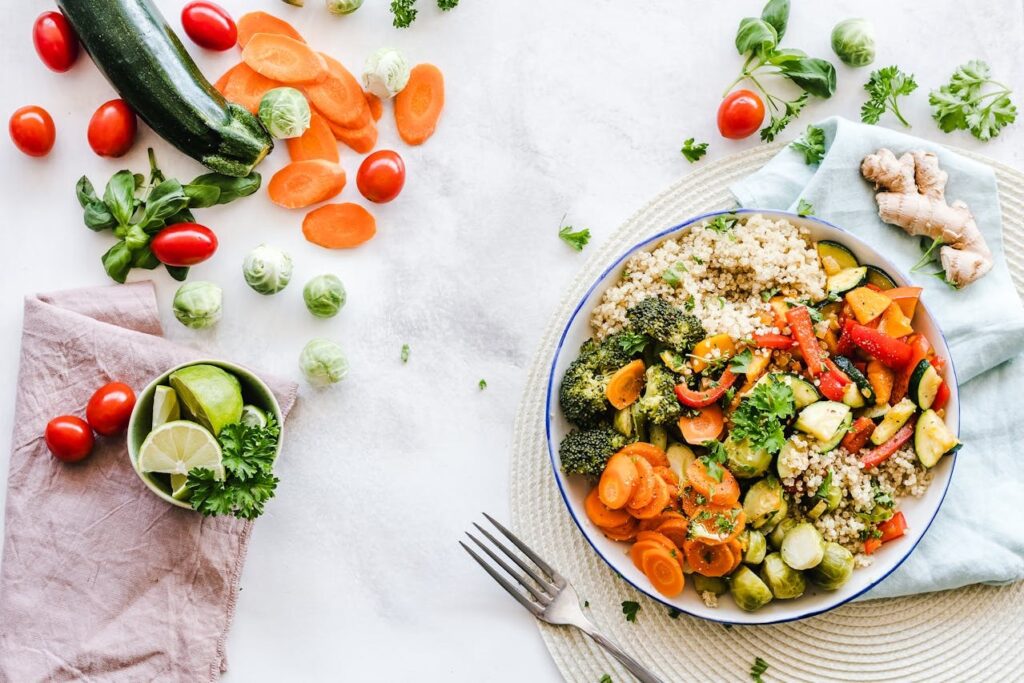

Dietary Tweaks to Combat Insulin Resistance
Your nutrition choices directly influence insulin sensitivity, which is essential for effective weight loss in a 45 year old female. Strategic eating can significantly improve how your body processes energy.
The goal is to minimize dramatic blood sugar spikes. These spikes trigger large insulin releases that promote fat storage.
Start by consistently pairing carbohydrates with protein, fiber, or healthy fat. This combination slows digestion and blunts sugar surges.
For example, add nuts to your oatmeal or have an apple with almond butter. Include lean protein with your whole grain toast.
Emphasize low-glycemic index foods in your daily plan. These provide sustained energy without dramatic fluctuations.
Excellent choices include non-starchy vegetables, legumes, and intact whole grains. They’re rich in fiber and essential nutrients.
Reduce or eliminate refined carbohydrates and added sugars. These are primary contributors to insulin resistance and inflammation.
Read labels carefully to identify hidden sugars in sauces, dressings, and packaged foods. Choose whole food alternatives whenever possible.
Your foundational habits remain critically important here. Quality sleep, stress management, and regular strength training all improve insulin sensitivity, especially for weight loss in a 45 year old female.
Sleep deprivation increases cortisol and reduces insulin effectiveness. Chronic stress creates similar metabolic disruptions.
Strength training builds muscle mass that better utilizes blood sugar. This directly enhances your metabolic flexibility.
Shift your perspective from “attacking belly fat” to “improving metabolic health.” Abdominal fat reduction becomes a positive side effect of this approach.
You’re not fighting against your physique. You’re creating an internal environment where health thrives.
While stubborn, abdominal fat can and will respond to consistent application of these strategies. The holistic plan outlined in this guide provides your clear path forward.
Focus on building metabolic resilience through daily choices. Your midsection will reflect these positive internal changes over time.
Conclusion: Your Sustainable Path Forward
Your journey toward a healthier, stronger you is built on sustainable choices, not temporary fixes. This guide has shown how multiple factors work together. Your metabolism, hormones, nutrition, and exercise all play a role.
Start with one or two manageable changes. Add strength training sessions each week. Prioritize seven hours of quality sleep. Small steps create lasting habits.
Track progress beyond the scale. Notice improved energy, better fitting clothes, or stronger muscle. Practice self-compassion during setbacks.
Seek support from trainers, nutritionists, or a community. Your body’s changes are a transition. Work with your physiology to build vibrant health.
Make the decision today. Embrace this lifestyle for lasting wellness and a resilient physique.