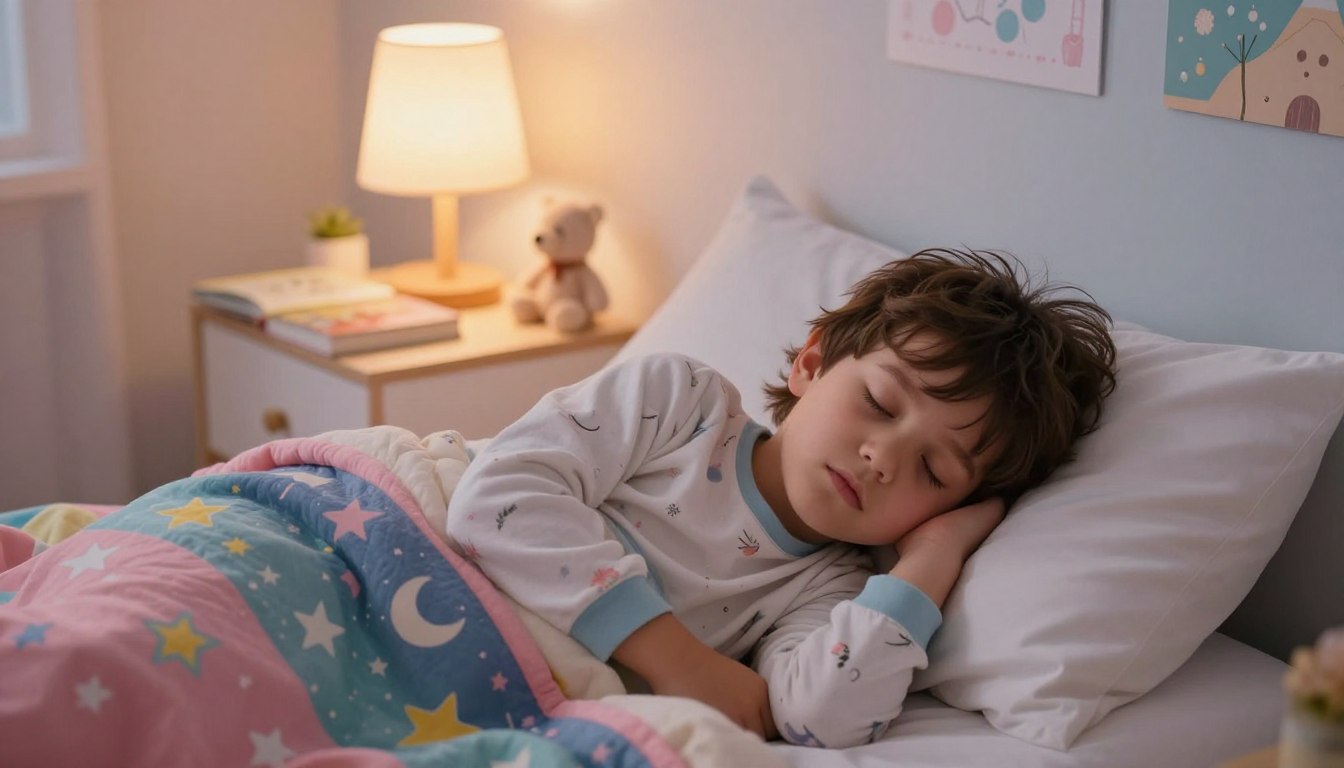
Finding the right sleep tips for kids with ADHD can feel difficult when bedtime turns into a nightly struggle. Some children seem wide awake when the house finally gets quiet. Others ask for water, another hug, one more story, or suddenly remember every worry from the day.
For parents, this can become exhausting. You want your child to rest, but you also want bedtime to feel calm instead of stressful.
Children with ADHD may have a harder time winding down because their brains can stay busy, alert, or easily distracted at night. A simple bedtime routine, a calmer bedroom, less screen time, and gentle wind-down habits can make evenings feel more manageable.
The most helpful sleep tips for kids with ADHD are usually simple, repeatable, and calm enough to use every night.
This article shares parent-friendly ideas that may help create a calmer bedtime routine. It is not a cure for ADHD and does not replace medical advice, but it can give you practical steps to try at home.
Important Note for Parents
This article is for general educational purposes only. ADHD and sleep problems can be complex, and every child is different.
If your child has ongoing sleep problems, loud snoring, breathing pauses during sleep, severe anxiety, extreme daytime sleepiness, or a sudden change in sleep habits, speak with your child’s doctor or a qualified healthcare professional.
Do not start sleep supplements, melatonin, or medication changes without medical guidance.
Why Sleep Tips for Kids with ADHD Need a Gentle Routine
Sleep can be challenging for children with ADHD for many reasons. Some children have trouble switching from active daytime mode to quiet nighttime mode. Others may struggle with worries, restlessness, sensitivity to noise or light, or difficulty following bedtime steps.
Poor sleep can also make daytime behavior harder. A tired child may have more trouble focusing, managing emotions, or staying calm during the day. The CDC notes that healthy habits for children with ADHD include daily physical activity, limiting screen time, and getting the recommended amount of sleep for their age.
The goal is not to force sleep instantly. Instead, the goal is to create signals that tell your child’s body and brain, “The day is ending. It is time to slow down.”
Sleep Tips for Kids with ADHD: Start With a Predictable Bedtime Routine
A predictable routine is one of the most helpful sleep tips for kids with ADHD. Many children feel calmer when they know exactly what comes next.
Try to start the routine 30 to 60 minutes before bed. The Sleep Health Foundation says children with ADHD need a calm, structured bedtime routine and recommends avoiding computers, phones, console games, TV, and other stimulating activities in the 30 to 60 minutes before bedtime.
A simple routine might look like this:
- Bath or wash face
- Pajamas
- Brush teeth
- Choose clothes for tomorrow
- Read a short story
- Quiet breathing or calm music
- Lights out
Keep the routine short and repeat it in the same order most nights. The more predictable it becomes, the less your child has to think about what comes next.
Make the Routine Visual
For younger children, a visual bedtime chart can help.
Use pictures or simple words:
- Pajamas
- Teeth
- Bathroom
- Book
- Hug
- Lights out
Let your child check off each step. This gives them a sense of control and reduces repeated reminders.
Keep Weekends Close to the Same Schedule
A very late weekend bedtime can make Sunday night harder. You do not need to be perfect, but try not to shift bedtime and wake-up time too much.
A steady sleep schedule helps the body understand when it is time to rest.
Screen-Time Sleep Tips for Kids with ADHD
Screens can make bedtime harder because they keep the brain alert. Videos, games, messages, and bright light can all make it difficult for a child to settle.
The American Academy of Child and Adolescent Psychiatry recommends turning off screens and removing them from bedrooms 30 to 60 minutes before bedtime.
A realistic screen rule could be:
- No tablet or phone in the bedroom
- Screens off before the bedtime routine starts
- Devices charge outside the bedroom
- Calm activities replace screen time
Good screen-free activities include:
- Reading
- Coloring
- Puzzles
- Quiet music
- Stretching
- Talking about the day
- Preparing school items for tomorrow
If your child currently uses screens right up until bedtime, change this slowly. Start with 10 minutes earlier, then increase over time.
Bedroom Sleep Tips for Kids with ADHD
The bedroom should feel like a place for rest, not play, homework, or screens.
Small changes can help:
- Keep the room cool and comfortable
- Use dim lights in the evening
- Try blackout curtains if light is a problem
- Use a small warm night light if your child is afraid of the dark
- Keep loud toys and active games out of the bed area
- Use soft bedding your child likes
- Keep screens outside the bedroom
Some children with ADHD are sensitive to sound. If noise bothers your child, a fan or white noise machine may help cover small household sounds.
The goal is not to create a perfect bedroom. The goal is to make the room feel safe, calm, and predictable.
Calming Sleep Tips for Kids with ADHD
Many children with ADHD do not struggle because they are “being difficult.” Sometimes their minds simply feel too busy at night.
Try giving your child calming tools before bed.
Try a Worry Notebook
If your child suddenly has many worries at night, keep a small notebook nearby.
Before bed, ask:
“What is one thing your brain keeps thinking about?”
Write it down together and say:
“We saved it here. We can look at it tomorrow.”
This does not make worries disappear, but it helps your child feel heard without turning bedtime into a long problem-solving session.
Use Calm Audio
Some children relax with soft music, white noise, or a calm audiobook.
Choose something gentle and familiar. Avoid exciting stories, loud music, or anything that makes your child want to stay awake to hear what happens next.
Practice Slow Breathing
Try this simple breathing game:
- Smell the flower for 3 seconds
- Blow out the candle for 4 seconds
- Repeat 5 times
Keep it light and playful. Do not force it if your child dislikes it.
Try Gentle Stretching
A few slow stretches can help the body shift from active to calm.
Examples:
- Shoulder rolls
- Gentle neck stretches
- Child’s pose
- Slow toe touches
- Stretching arms overhead
Keep it short and relaxed.
What to Do When Your Child Keeps Getting Out of Bed
Many parents struggle with repeated bedtime requests.
Your child may ask for water, another hug, a bathroom trip, or “one more thing.” Some requests are real, but repeated requests can keep bedtime going for a long time.
Try planning for common requests before lights out:
- Bathroom trip
- Small drink of water
- Final hug
- One short question
- Favorite stuffed animal
- Night light on
Then calmly say:
We did all the bedtime steps. Now it is time to rest.
Keep your response boring and gentle. Long conversations can accidentally make getting out of bed more rewarding.
Try a Bedtime Pass
A bedtime pass is a simple card your child can use one time after lights out.
They can use it for:
- One hug
- One drink
- One quick question
- One bathroom reminder
After the pass is used, bedtime is done.
Some children like the sense of control, and some may even choose to save the pass until morning.
Support Better Sleep During the Day
Nighttime sleep is affected by daytime habits too.
Helpful daytime habits include:
- Outdoor play when possible
- Physical activity during the day
- Regular meal and snack times
- Less caffeine, especially later in the day
- A predictable after-school routine
- Time to talk about worries before bedtime
Try not to leave all emotional conversations for bedtime. If your child often gets anxious at night, create a short “worry time” earlier in the evening.
For example:
After dinner, we will talk about anything on your mind for 10 minutes.
This helps bedtime stay calmer.
When to Ask a Professional for Help
Home routines can help, but sometimes extra support is needed.
Speak with a doctor or qualified professional if:
- Your child snores loudly
- Your child seems to stop breathing during sleep
- Your child is very sleepy during the day
- Bedtime anxiety is intense
- Sleep problems continue despite a steady routine
- Your child’s medication may be affecting sleep
- You are considering melatonin or other sleep aids
Sleep Foundation explains that a regular bedtime, limiting screen time before bed, daytime exercise, and calming wind-down routines may support sleep for people with ADHD, but professional support may be needed when sleep problems continue.
Melatonin is sometimes discussed for children with sleep difficulties, but it should only be used with a healthcare professional’s guidance. Dosing, timing, age, and safety all matter.
Simple Bedtime Routine Example
Here is a calm routine you can adapt:
7:00 PM — Quiet Time Begins
Turn off screens and lower the energy in the house.
7:10 PM — Bath, Pajamas, Teeth
Keep the steps predictable and calm.
7:25 PM — Prepare for Tomorrow
Choose clothes, pack school bag, or place shoes near the door.
7:35 PM — Read or Listen to Calm Audio
Choose one short book or quiet music.
7:45 PM — Final Check
Bathroom, water, hug, stuffed animal, night light.
7:50 PM — Lights Out
Use the same short phrase every night:
You are safe. It is time to rest. I love you.
Adjust the times based on your child’s age and schedule.
Common Mistakes to Avoid
Changing Everything at Once
Start with one or two changes. For example, begin with a screen-free wind-down and a simple bedtime chart.
Making Bedtime a Long Negotiation
Keep your voice calm and your words short. Too much discussion can keep the brain awake.
Using the Bedroom for Everything
If possible, keep the bed mostly for sleep and quiet rest. This helps create a stronger sleep association.
Skipping the Routine on Good Nights
The routine matters even when your child seems calm. Consistency is what makes the routine work.
Expecting Instant Results
Sleep habits take time. Look for small improvements, not perfection.
These sleep tips for kids with ADHD work best when parents keep the routine simple, patient, and consistent.
Helpful Resources for Parents
For more information, you may find these resources helpful:
- CDC: Protecting the Health of Children with ADHD —
https://www.cdc.gov/adhd/articles/protecting-the-health-of-children.html - AACAP: Screen Time and Children —
https://www.aacap.org/aacap/families_and_youth/facts_for_families/fff-guide/Children-And-Watching-TV-054.aspx - Sleep Health Foundation: ADHD and Sleep in Children —
https://www.sleephealthfoundation.org.au/sleep-topics/adhd-and-sleep-in-children - Sleep Foundation: Screen Time and Sleep —
https://www.sleepfoundation.org/teens-and-sleep/screen-time-and-insomnia-for-teens
These trusted resources can help parents learn more about ADHD, screen-time habits, and bedtime routines.
Frequently Asked Questions
What are the best sleep tips for kids with ADHD?
The best sleep tips for kids with ADHD often include a consistent bedtime routine, reduced screen time before bed, a calm bedroom, predictable steps, and gentle wind-down activities like reading, soft music, or slow breathing.
Why do kids with ADHD struggle with sleep?
Some kids with ADHD may have trouble winding down, shifting attention, managing worries, or following bedtime steps. Light, noise, screens, anxiety, and inconsistent routines can also make sleep harder.
Should screens be removed before bedtime?
Yes, it can help. Turning off screens and keeping devices out of the bedroom before bedtime can make the evening calmer and reduce stimulation.
Is melatonin safe for kids with ADHD?
Do not give melatonin without speaking to your child’s doctor. It may be recommended in some situations, but timing, dose, age, and safety should be discussed with a healthcare professional.
What if my child keeps getting out of bed?
Plan common needs before lights out, such as water, bathroom, hug, and night light. You can also try a bedtime pass for one approved request after lights out.
How long does it take for a new bedtime routine to work?
It depends on the child. Some families notice small changes within a week, while others need several weeks of consistency. The goal is steady improvement, not instant perfection.
When should I talk to a doctor?
Talk to a doctor if your child snores loudly, has breathing pauses, is very sleepy during the day, has intense anxiety, or continues to struggle despite a steady bedtime routine.
Final Thoughts
Helping a child with ADHD sleep better can take patience, but small changes can make bedtime feel calmer.
Start with a predictable routine, reduce screens before bed, create a quieter bedroom, and give your child simple tools to calm a busy mind. Keep your expectations realistic and focus on steady progress.
You do not need a perfect bedtime. You need a routine your family can repeat. Over time, that routine can help evenings feel less stressful for both your child and you.
Related Articles You May Like
If you want more family and bedtime routine ideas, you may also like: